Critique of Religious Endorsement in Nigeria's Political Landscape
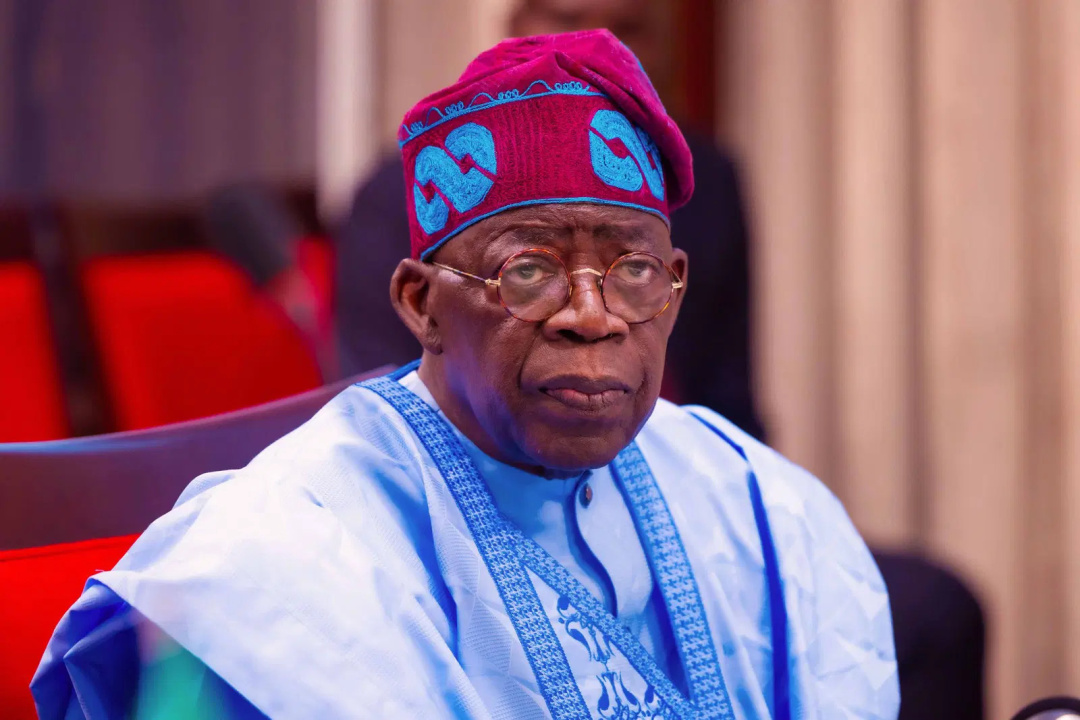
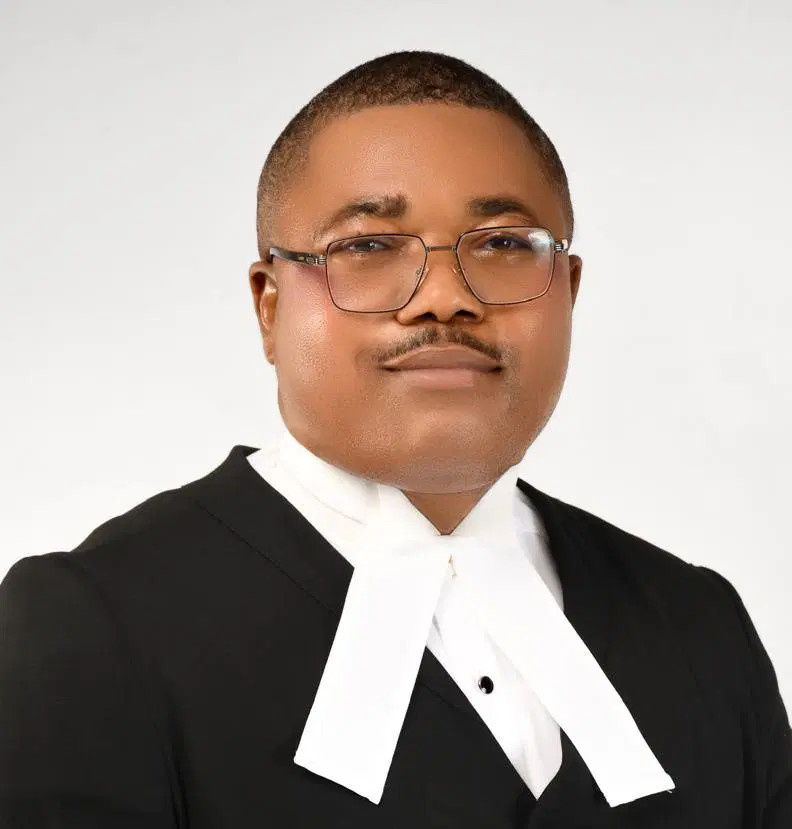
In an era where political endorsements seem to grow on trees, Sir Ifeanyi Ejiofor has taken the time to school the Charismatic Bishops Conference of Nigeria (CBCN) on the dangers of mixing ecclesiastical authority with political support. The CBCN’s recent endorsement of President Bola Ahmed Tinubu for a second term is described by Ejiofor as a troubling trend, especially in a nation where political stability is as elusive as a well-mannered dog in a cat convention.
Ejiofor’s statement, aptly titled "The Auction of Ecclesiastical Imprimatur: A Disturbing Show of Shame and the Urgent Need to Quarantine Religious Authority from the 2027 Electioneering Campaigns," is both a call to arms and a reminder that the Church should ideally serve as a moral compass rather than a partisan cheerleader. He argues that the Church must be a conscience to power, not an echo chamber for it. After all, nobody wants their divine guidance to come with a side of political bias.
Still Beats Watergate:
Sponsor success. Continue reading:
He emphasizes that while Christians and clergy are entitled to their political preferences, the politicization of Christianity, especially through collective endorsements, diminishes the Church’s moral authority. Ejiofor is not against religious figures engaging in politics; he merely advocates for a return to sanity, where elections hinge on issues and not ecclesiastical pageantry. Apparently, he sees more value in thoughtful discourse than in bishops dressed for a royal gala endorsing candidates like they’re the latest fashion trend.
Ejiofor could not help but notice the theatrical aspects of the CBCN gathering, where individuals in what appeared to be a coordinated display of episcopal regalia gathered to endorse a political candidate as if they were promoting a new album. He described this scene as a curious deployment of ecclesiastical authority for partisan gain, reminding the attendees that while they are free to support any political contender, the sanctity of their roles should not be up for political auction.
In a nod to the absurdity of the situation, Ejiofor joked about the impressive tailoring of the episcopal garments, highlighting that the real question transcends fashion: what moral authority does the Church hold if its endorsements can be swayed by political whims? He cautions that as Nigeria edges closer to the 2027 elections, the scars from previous religious and ethnic divisions have yet to heal. It’s a reminder that in politics, as in life, one must tread cautiously lest they step on a landmine of division disguised as a political rally.
Navigating the Political Waters
Ejiofor’s advice is clear; political leaders must exercise caution and avoid any actions that could exacerbate Nigeria’s existing divisions. He expresses concern about the burgeoning trend of religious leaders acting as political mouthpieces, arguing that it could lead to a deeper fracture in an already volatile political landscape. The crossroads between faith and politics must not become a road paved with good intentions but lacking in wisdom.
In conclusion, as the political scene heats up, one can only hope that the clergy will remember that while they possess the right to vote, the pulpit is not a campaign platform. The call for issue-based campaigns is more than just a suggestion; it’s a plea for Nigeria to rise above the tumult and embrace a future where democracy is not drowned in the robes of religious authority. As Ejiofor aptly puts it, the Church's influence should stem from moral integrity, not from the political machinations of the day. If only the bishops could see that their real authority lies in guiding the faithful, not in endorsing a party with the fervor of a fan at a rock concert.
Your Takeaway
As we navigate these murky waters, Ejiofor’s words serve as a crucial reminder that the intermingling of politics and religion requires a deft hand. The call to maintain the Church's moral high ground, unaffected by political winds, is one that should resonate with us all as we approach a future where the stakes are not just political but fundamentally ethical. The challenge lies in keeping the faith community as a voice of reason rather than a vehicle for political ambition.