Trump Administration Pushes for Nuclear-Only Talks with Iran, Leaving Hormuz Dispute Behind
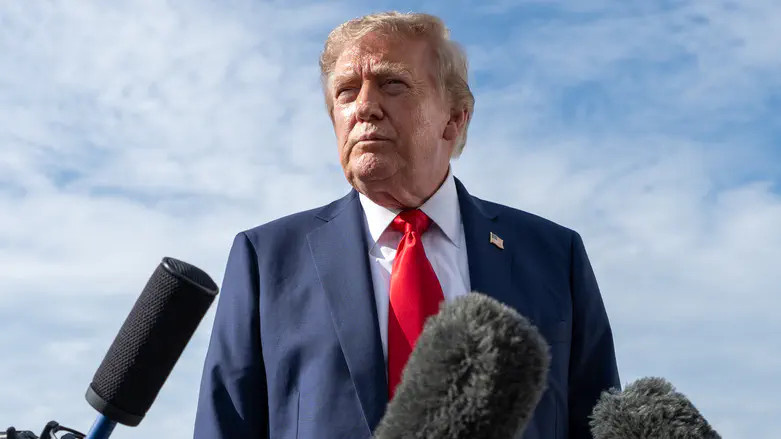
The Trump administration has made a clear demand regarding future negotiations with Iran, insisting that discussions focus solely on the nuclear program, while leaving the Strait of Hormuz dispute off the table, according to a recent CNN report. This geopolitical maneuvering reflects the White House's strategy as tensions escalate in the region.
As reported, a U.S. official emphasized that Washington is committed to negotiating with Tehran strictly on its nuclear ambitions. In contrast, Iran has communicated to neighboring countries its readiness to engage in nuclear talks, but only once the issues surrounding the Strait of Hormuz—especially the U.S. blockade—are addressed. This delicate balance of demands illustrates the challenges facing both sides as they navigate a complex web of diplomatic and military pressures.
Still Beats Watergate:
Sponsor success. Continue reading:
Oman has stepped into the role of mediator, attempting to create a framework conducive to reopening this vital waterway. Among the unresolved matters is whether oil tanker operators would be obligated to pay fees for passage, which has become a contentious topic. Interestingly, opposition from Gulf and European officials toward proposed arrangements has reportedly lessened in recent months, potentially paving the way for renewed discussions.
Despite Oman’s efforts, U.S. officials have not yet given their public support to any proposals. They maintain that U.S. forces currently possess the upper hand in the strait, although they increasingly question how long they can sustain escort operations. The ongoing military presence is critical, especially as tensions around the strait remain high.
Compounding this diplomatic dance is the uncertainty of ongoing military operations in the region. President Trump recently claimed that the war would conclude immediately following the U.S. midterm elections, suggesting that Iran was attempting to prolong the conflict to sway election outcomes. This claim feeds into a narrative in which Tehran is depicted as desperate to influence U.S. politics.
Iran's Nuclear Ambitions and Regional Tensions
The implications of these statements are significant, particularly as Trump accused Iran of wanting to instigate a political shift that would allow them to operate without constraints, specifically regarding their nuclear program.
Oman's Foreign Minister, Badr Albusaidi, announced that a meeting between Iran and Gulf countries to discuss possible agreements over the Strait of Hormuz has been postponed, citing the need for consensus.
The Stakes of Nuclear Negotiations
Meanwhile, attention turns back to the broader implications of the discussions surrounding Iran's nuclear capabilities. President Trump, in a recent Fox News interview, reiterated his lack of regret over military actions taken against Iran, underscoring his belief that the elimination of Iran's nuclear capacity was a necessary step. His unwavering stance poses questions about future U.S. policy and its readiness to engage diplomatically when military actions have dominated the narrative.
As both nations grapple with their respective positions, the fate of future negotiations remains uncertain. The administration's focus on a nuclear-only approach could alienate potential allies in the region and complicate efforts to stabilize the Strait of Hormuz, which remains crucial for global oil transportation. For now, the dialogue continues amidst a backdrop of military readiness and geopolitical chess, as the world watches to see how these developments unfold.