TSA Reads Woman's Journal, Sparks Debate Over Privacy Rights
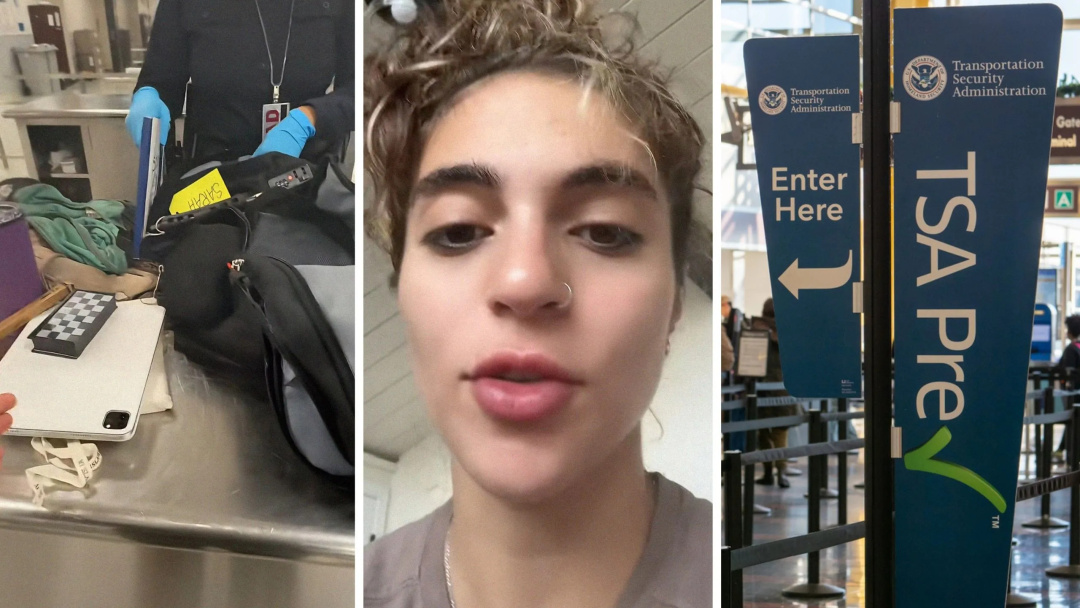
An incident at a Transportation Security Administration (TSA) checkpoint has gone viral, raising eyebrows and sparking a debate over privacy rights in the face of security protocols. In a video that has amassed over 4.5 million views on TikTok, traveler Sarah Awad recorded a TSA agent perusing her personal journal, leading to questions about the legality of such actions.
As shown in the video, Awad confronts the agent, stating, "Now you’re reading something I told you is confidential," while expressing her frustration at the slow page-turning. The situation escalates as she requests a manager, highlighting her concern that the TSA should focus on identifying potential threats rather than reading through her private thoughts. This raises an important question: at what point does security screening become an invasion of privacy?
Still Beats Watergate:
Sponsor success. Continue reading:
According to TSA guidelines, agents have the authority to conduct thorough searches of carry-on items to ensure safety on flights. However, these protocols do not explicitly mention the right to read personal journals or documents. The TSA’s official website notes that its primary mission is to screen for weapons and other dangerous items, yet it remains unclear where the line is drawn concerning personal belongings.
Awad’s video ignited outrage among viewers, many of whom argued that such actions by the TSA could constitute a violation of the Fourth Amendment, which protects against unreasonable searches and seizures. Comments on the video urged Awad to file a complaint, while some declared it an obvious infringement on her rights. The sentiment among viewers suggests that the TSA agent’s actions were not just an overreach but a misuse of authority, with one comment suggesting, "She’s got a power trip going on."
Balancing Security and Personal Privacy
The TSA was established in the aftermath of the 9/11 attacks, primarily focused on safeguarding aviation security. While the agency's role is crucial, the balance between ensuring safety and respecting individual rights remains a hot topic. Instances like Awad's can lead to broader discussions about the extent of government authority in the name of public safety.
In navigating the complexities of airport security, it's essential to reconcile safety measures with personal privacy rights. The TSA's mission is vital, but it must not come at the cost of eroding the civil liberties that define American democracy. The implications of this incident extend beyond one woman's experience; they raise fundamental questions about the rights of citizens in the face of institutional authority.
Your takeaway
With discussions surrounding this incident gaining traction, it’s evident that the conversation about privacy rights at security checkpoints needs to be amplified. Legal experts and civil rights advocates might find this incident an opportune moment to reassess the TSA's protocols and advocate for clearer guidelines regarding personal privacy. As technology and security measures evolve, so too must the discourse surrounding individual rights in public spaces. This incident serves as a reminder that while security is paramount, the preservation of personal privacy is equally critical in a democratic society.
For travelers, this incident underscores the importance of being aware of one’s rights at TSA checkpoints. As security measures become increasingly stringent, it remains vital to advocate for clear boundaries that protect personal privacy. The ongoing dialogue surrounding such cases serves not only to inform travelers of their rights but also to hold institutions accountable to the principles of privacy and dignity that are foundational to the American ideal.