Trump Blames Ukraine's Drone Strikes for Surging Diesel Prices as Global Tensions Rise

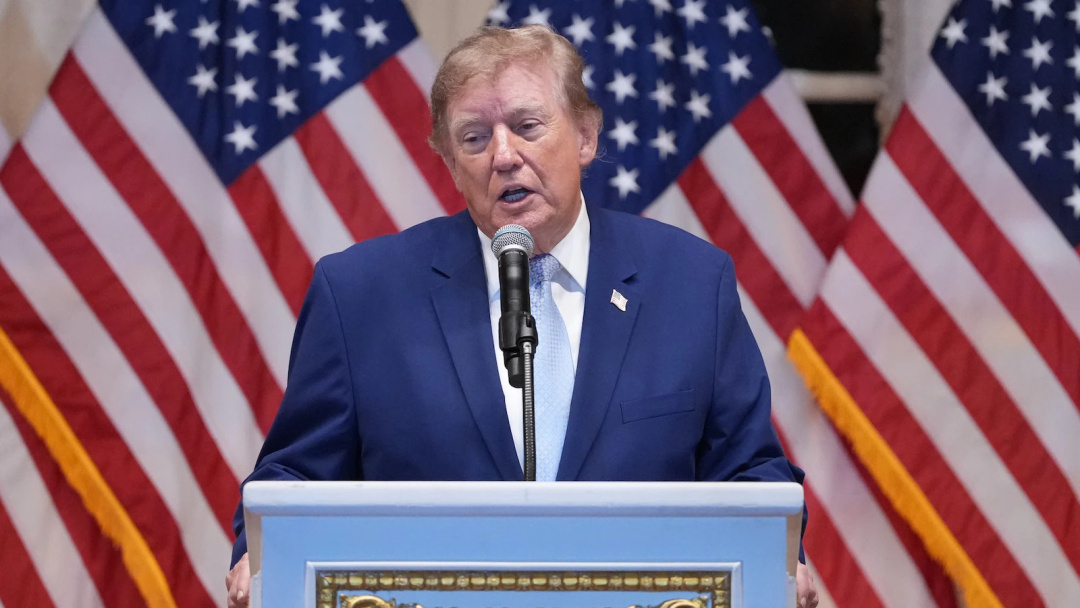
As if the world wasn’t already a chaotic enough mess, President Trump has found another scapegoat for the record-high diesel prices plaguing American consumers: Ukrainian drone strikes on Russian oil facilities. According to Trump, these audacious attacks are responsible for pushing diesel prices past the $6 per gallon mark, a financial burden that strikes right at the heart of American pocketbooks.
This line of thinking not only lays the blame firmly at the feet of Ukraine but also cleverly sidesteps the complicated web of domestic energy policies that have played their own role in this unfolding crisis. Trump, always adept at political theater, urged Ukraine to reconsider its military tactics, arguing that attacking Russian refineries is doing more harm than good—especially to American drivers.
Still Beats Watergate:
Sponsor success. Continue reading:
With Ukrainian drones taking out approximately 40% of Russia's refining capacity, one might think the strategy is working for Kyiv. However, in the eyes of the Trump administration, it seems to do little more than spark outrage at home over spiraling fuel costs. Russia's retaliatory measures, including a ban on diesel exports designed to shield their domestic market, have exacerbated global supply issues, pulling 3% of the world’s daily diesel supply offline.
Here in the U.S., with refineries operating at a staggering 97% to 98% capacity, the system is essentially redlined. This means that any disruption in supply, especially from a major player like Russia, sends shockwaves through our fuel market and, consequently, our wallets. The impact is painfully tangible for trucking companies, farmers, and construction firms—all of whom rely heavily on diesel fuel.
Trump's Narrative Shift on Energy Policy
Interestingly, Trump's framing not only shifts the focus from the messy realities of U.S. energy policy, but it also serves to bolster his position in discussions about American support for Ukraine's military endeavors. By placing the onus on Ukraine, he creates a narrative that could sway public perception in favor of reducing U.S. support—a clever political maneuver if there ever was one.
Your takeaway
Meanwhile, energy analysts are hesitant to pin the price surge on the Ukrainian strikes alone. They note that multiple factors contribute to the current crisis, including seasonal demand patterns, high refinery utilization, and ongoing geopolitical tensions that keep oil prices inflated. The complex interplay of these elements suggests that placing blame solely on Ukraine might not be quite so straightforward.
As American drivers brace for more painful trips to the pump, the underlying causes of rising diesel prices remain tangled in a web of international conflict, domestic policy shortcomings, and market speculation. What is clear is that for the average American, the political machinations of leaders like Trump are less relevant than the hard reality of soaring fuel costs.