Kushner Reveals How US Used Qatar Strike Fallout to Push Israel
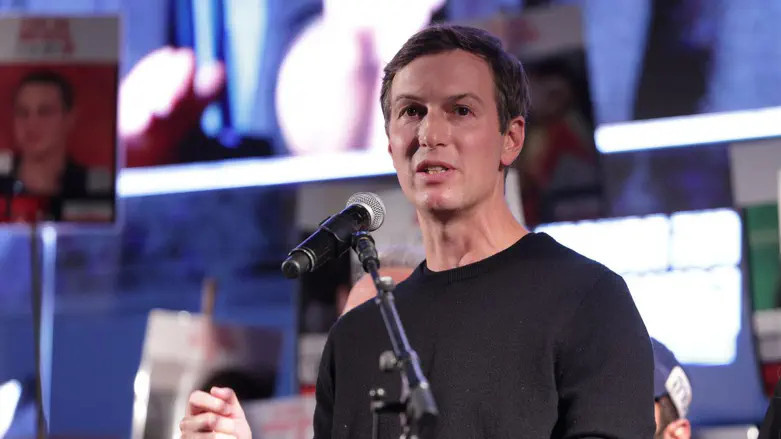
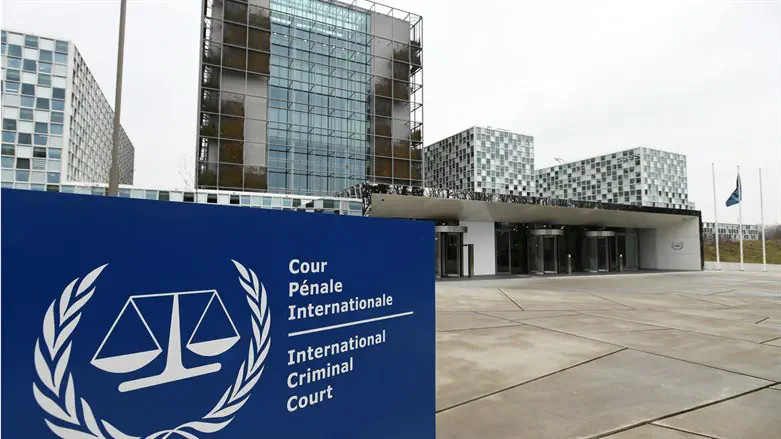
In a revelation that could easily be mistaken for a plot twist in a political thriller, Jared Kushner, the son-in-law and advisor to former President Donald Trump, has shared that the Trump administration deftly capitalized on Israel's diplomatic woes following a botched military operation in Qatar. According to Kushner, the September 2025 strike aimed at senior Hamas officials unwittingly provided the US with the leverage needed to nudge Israel toward a ceasefire agreement in Gaza. Kushner made this eye-opening assertion during his remote appearance at the Yalta European Strategy conference, where he reflected on the intricacies of international diplomacy and military strategy.
The operation, which was not only unsuccessful but also resulted in the survival of the targeted Hamas leaders, left Israel facing increasing global isolation. Kushner stated, "[The attack] was unsuccessful as a military operation and that led to Israel being globally isolated, and we used that dynamic in order to push them into a deal." It's a classic case of using a crisis as an opportunity, a move that could be likened to turning a sinking ship into a floating bargaining table.
Still Beats Watergate:
Sponsor success. Continue reading:
One month after the ill-fated strike, Israel and Hamas signed a ceasefire agreement, a development that seemingly turned the tides for both parties involved. This agreement ultimately facilitated the release of 48 hostages—a mix of the living and the deceased—further complicating an already intricate web of Middle Eastern politics. Kushner noted that while Israel was initially hesitant about the terms proposed by the Trump administration, Israeli officials later came to appreciate the deal, possibly realizing that a bad peace is better than a good war.
Kushner dismissed Israel's early reservations, suggesting that time would prove the deal beneficial. "Today, they're quite happy with [the agreement], but at the time, they were uncomfortable with what we were pushing them to do," he remarked, almost as if he was revealing a trade secret of sorts. The irony of using diplomatic pressure to force a nation into a favorable position is not lost on anyone, especially when juxtaposed with the complexities of Middle Eastern politics.
Navigating Israel's Political Landscape
As Kushner delves deeper into the nuances of this agreement, he highlights the ongoing challenges that Israel faces due to its election cycle complicating the implementation of the Trump administration's plans for Gaza. "They just have a crazy election and that makes them a little irrational in certain regards but we’re very determined and we’re working through these things," he stated, employing a casually dismissive tone regarding the chaos of democratic processes.
The Trump administration's ambitions for Gaza extend beyond mere political maneuvering. Kushner discussed the broader goals of establishing a new governing structure for the territory, a plan that necessitates a complex orchestration of international and local politics. This roadmap includes significant elements such as an Israeli withdrawal, enhanced humanitarian assistance, and a Palestinian national committee to administer Gaza, which begs the question: is this a genuine attempt at peace or merely a strategic game of chess?
Your takeaway
The inclusion of notable figures like Khalil al-Hayya from Hamas and Mohammed Dahlan from the Palestinian Authority in meetings aimed at forming a governing structure seems to reflect a complex tapestry of alliances and enmities. Yet, Kushner's confidence in the roadmap seems almost optimistic, considering the historical context of failed negotiations and violence in the region. As the political theater unfolds, one can’t help but wonder how the players will adapt to the shifting landscape of Middle Eastern politics, especially with election cycles dictating their actions.
As we observe these developments, the legacy of Kushner's approach to Middle Eastern diplomacy unfolds before us, challenging the norm and perhaps paving the way for unorthodox methods in international relations. Kushner's comments may reflect a sense of triumph in navigating the chaos, but the underlying tensions and realities of the region continue to simmer, reminding us that the road to peace is often riddled with both potholes and paradoxes.