El-Sayed Calls Trump 'Barbarian' in White House During RNC Focus
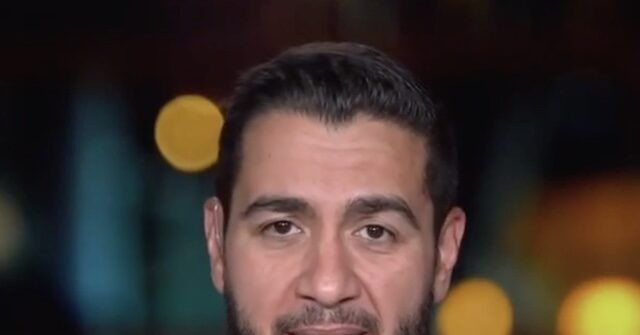
During a recent episode of CBS's "Face the Nation", Michigan's Democratic Senate candidate Abdul El-Sayed did not hold back as he labeled President Donald Trump as a "barbarian in the White House." This bold statement came amidst a broader critique of Republican narratives at the RNC convention, where El-Sayed found himself at the center of attention, despite the convention largely avoiding pressing issues affecting the public.
The RNC speakers, including Trump and House Speaker Mike Johnson, directed their comments towards El-Sayed, whose nomination has become a focal point for GOP messaging. El-Sayed, responding to the barrage of attention, pointed out that the real issues facing Americans, such as rising gas prices and grocery costs, were being swept under the rug. He indicated that the Republican agenda was more about attacking opponents than addressing the economic hardships facing families.
Still Beats Watergate:
Sponsor success. Continue reading:
"The barbarian is in the White House, and we’re seeing the consequences of that right now," El-Sayed remarked, emphasizing how the Trump administration's policies have adversely affected the average Michigander. He highlighted the significant impact of tariffs and what he termed a "war with Canada," which he claimed could amount to an extra $5,600 annually for Michigan families. It seems that while fingers were pointed at him, the focus should instead be on the broader economic implications of current policies.
El-Sayed's approach is a classic case of political theater where one candidate's spotlight can illuminate the failings of another's administration. The narrative is a striking reminder of how political dynamics can quickly shift, turning a seemingly personal attack into a broader indictment of governance.
RNC Focus and Economic Fallout
As El-Sayed critiqued the Republicans, he deftly reframed the conversation to center on substantive issues that affect voters daily. He argued that the RNC's failure to address critical economic topics like healthcare access is a glaring oversight. "You can’t see a doctor in the United States," he pointedly remarked, suggesting that amidst all the political banter, the actual healthcare crisis continues to worsen under the current administration.
This satirical exchange underscores the absurdity of political battles where the true stakes—people’s livelihoods—are often lost in the fray. For El-Sayed, the narrative is not merely about winning a Senate seat but about highlighting a system that he feels is failing its citizens. The dynamic between candidates and the media creates an environment where rhetoric often overshadows reality, a situation ripe for satire.
As the election season ramps up, the focus on personalities and political branding may just overshadow the much-needed discussions on substantive policy shifts. El-Sayed's bold pronouncement serves as both a rallying cry for Democrats and a reminder of the larger battles to be fought in this evolving political landscape. The real question remains: will voters see through the political theater and demand accountability on the issues that matter most?
Your takeaway
El-Sayed's comments reflect a growing trend in political discourse where candidates leverage strong rhetoric to convey their messages. As he continues to navigate his campaign, his ability to bring attention to pressing economic issues while reframing the narrative will be crucial. The upcoming election will likely test whether such strategies resonate with the electorate, who may be tired of the same old political games. In this charged environment, finding genuine connections with voters could prove to be the deciding factor in many races this cycle.