Pennsylvania Lawmaker Seeks to Rename Lake Erie to Lake Pennsylvania
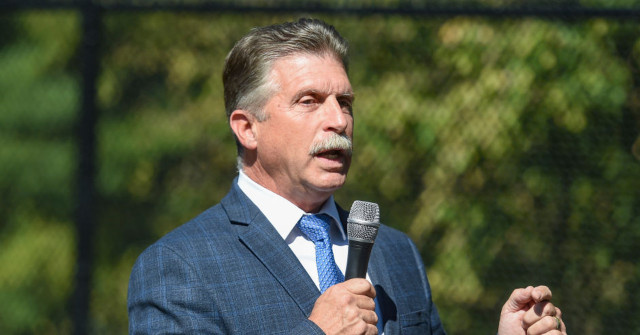
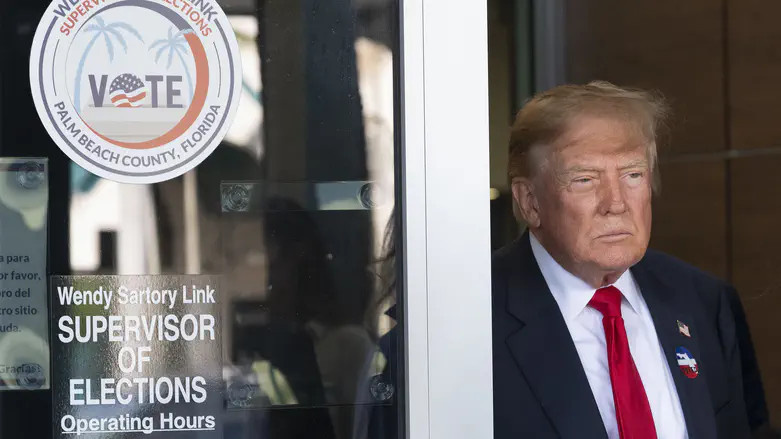
In a move that is sure to draw the ire of many, Pennsylvania Rep. David Maloney has proposed that President Trump rename Lake Erie to 'Lake Pennsylvania.' This suggestion comes on the heels of Trump's controversial decision to rename Lake Ontario to 'Lake America,' a change that also failed to win the hearts of local Native American tribes. Maloney's resolution is framed as a way to reflect the modern identity of the lake and its importance to the local economy, but many are already predicting backlash from indigenous communities who see this as yet another instance of historical erasure.
Maloney, a Republican representing a district that does not even border the lake, argues that the region's identity is intricately tied to the lake, which attracts boaters, anglers, and tourists alike. "This is Pennsylvania’s only Great Lake," he exclaimed, emphasizing what he believes is a unique right to lay claim to the waterway. The lawmaker is preparing to address Trump, Secretary of the Interior Doug Burgum, and Capitol Hill, seeking their support in this endeavor.
Still Beats Watergate:
Sponsor success. Continue reading:
Yet, if the history of naming in this country tells us anything, it's that the waters of this land come with deep cultural significance. Lake Erie, like many geographic features, derives its name from Native American origins. The name Erie itself is believed to stem from the Iroquois word referring to the Eastern Cougar. Historically, the renaming of such landmarks has often resulted in protests from indigenous tribes, who argue that these actions diminish their cultural heritage and the treaties that recognize their rights.
While Maloney's proposal may be couched in terms of modern representation, the implications are rife with tension. The history of Lake Ontario's renaming stirred significant opposition from Native American leaders, who argued that it violated longstanding treaties and disrespected their cultural ties to the land. With the Seneca Nation and other tribes already vocal about their disapproval of the Ontario change, one can only imagine how they will respond to the suggestion of renaming Lake Erie.
Regional Identity and Political Motivations
Interestingly, the proposed name change also brings into question the broader implications for regional identity. As Maloney points out, other states have multiple Great Lakes to their name, and Pennsylvania has just this one. In his view, this unfairness justifies the renaming. However, the fact that he represents a district far removed from Lake Erie itself raises eyebrows about the motivations behind such a proposal.
As discussions swirl about the potential for Lake Erie to be rebranded, one must wonder how this will play out amidst the political landscape leading up to the 2026 midterms. With key races looming, these issues of identity, representation, and cultural respect will likely be at the forefront of voters' minds, shaping the electoral narrative in ways we are just beginning to comprehend.
Your Takeaway
The ongoing debate surrounding the renaming of Lake Erie encapsulates broader tensions between modern political gestures and historical respect for Native American heritage. Tribal leaders have historically condemned such renaming actions, arguing they erase significant cultural narratives that predate European settlement. With Maloney's resolution, it seems the cycle of erasure may continue, prompting questions about how far states are willing to go in their quest for identity. As Maloney pushes forward with this proposal, the reactions from both local tribes and the wider public will shape the discourse around this contentious issue.
The proposal to rename Lake Erie reflects ongoing cultural tensions and the complexities of identity in America today. As political figures attempt to assert their claims over natural landmarks, the reactions from indigenous communities remind us that history is not easily erased. For voters in Pennsylvania and beyond, this situation raises critical questions about representation, respect, and the ongoing impact of historical decisions. As we move forward, the responses from tribal leaders and local communities will be crucial in informing this evolving narrative.