Trump's Ireland Visit Sparks Controversy and Protests
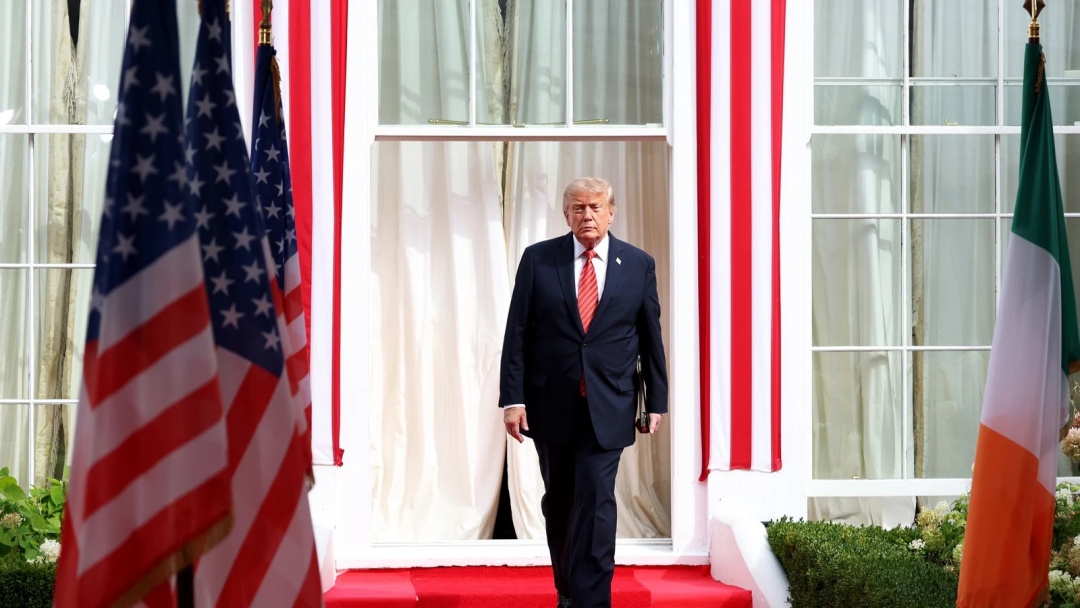
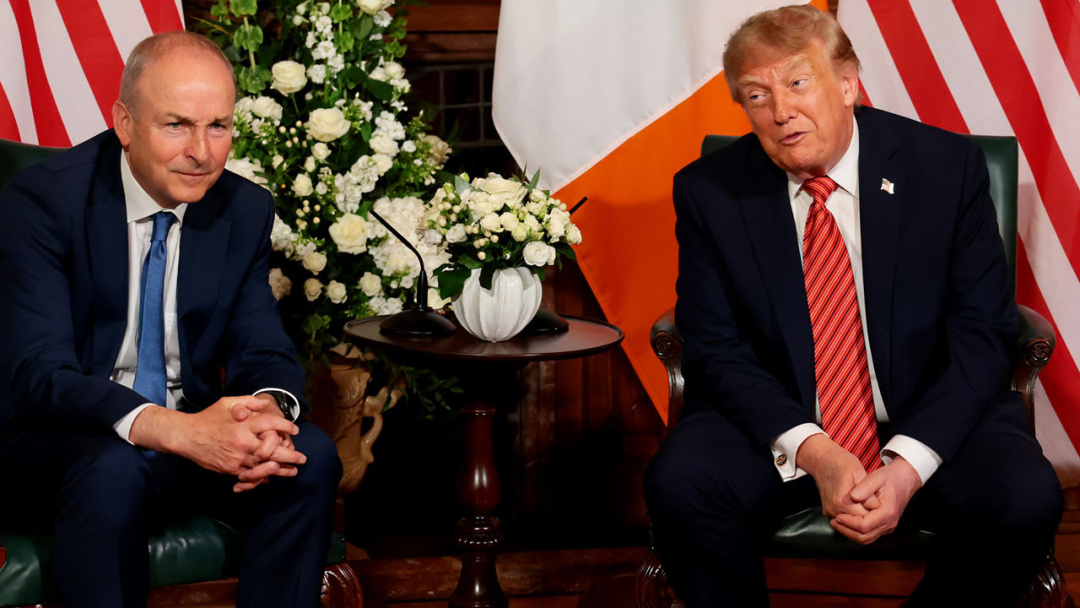
Donald Trump’s recent trip to Ireland was not just another presidential courtesy call or a golf outing; it was a masterclass in political controversy. As he arrived, he expressed his fondness for the idea of a united Ireland, a comment that ignited a firestorm of reactions from across both the Irish Sea and the Atlantic Ocean. At a news conference with Taoiseach Micheál Martin, Trump enthusiastically stated, "I’d love to see it unified. I have friends on both sides." Given the historical and political weight of such a statement, it’s no wonder it sent ripples through the political landscape.
Sinn Féin leader Mary Lou McDonald acknowledged Trump’s remarks, subtly laying the responsibility on the Taoiseach to initiate planning for a unified Ireland. Meanwhile, DUP leader Gavin Robinson made it clear that Northern Ireland's constitutional future would not be shaped by the whims of leaders from Dublin or Washington, insisting, "the people of Northern Ireland will decide."
Still Beats Watergate:
Sponsor success. Continue reading:
In a later address at the US Ambassador's residence, Trump doubled down on his sentiments, calling a united Ireland "pretty cool." It’s almost as if he was oblivious to the complexities surrounding the issue. Addressing the question of reunification, he quipped, "no matter what you say, there is no good answer," simultaneously affirming his love for the idea while sidestepping the deep divides that still linger.
Of course, where there’s Trump, there’s bound to be dissent. His visit was met with large-scale protests in Dublin, Doonbeg, and at Shannon Airport. Protesters gathered in droves, voicing their discontent over the welcome extended to him by the government. Chants of "free Palestine" and "US military out of Shannon" echoed through the streets, illustrating the public's frustration not just with Trump’s policies but with the broader implications of his presidency.
As Trump settled into his hotel in Doonbeg to indulge in the Irish Open, the juxtaposition of his leisurely golfing and the fervent protests outside could not have been starker. It’s a reminder that while the golf may be a game, the stakes in politics are anything but. Behind the luxury of a round at his hotel’s golf course loomed the serious issues of political integrity and historical grievances that are not so easily brushed aside.
Reactions from Political Leaders
The response to Trump’s comments has varied widely among local leaders, showcasing the deep political divides present in Ireland. While some welcomed his remarks as a hopeful sign, others dismissed them as mere rhetoric. The Taoiseach, while diplomatically engaging with Trump, faced the challenging task of balancing international relations with domestic sentiment, a tightrope walk that is quintessentially Irish.
As Trump continues to make headlines with his remarks and visits, the real question remains: what impact will his words have on the delicate fabric of Northern Ireland’s political landscape? While his charm offensive may have played well with some, the underlying tensions suggest that his visit is unlikely to bridge the historical divides that still resonate today.
Your takeaway
In conclusion, Trump’s Ireland visit underscores the complexities of international relations, particularly when historical grievances and modern politics collide. As protests illuminate the streets and leaders navigate the political fallout, one thing is clear: in the realm of politics, every comment counts, and every visit can have far-reaching implications. With Trump’s return to the spotlight, the discussions surrounding Irish unity are sure to continue, prompting us all to reflect on what a united Ireland truly means in today’s geopolitical climate.