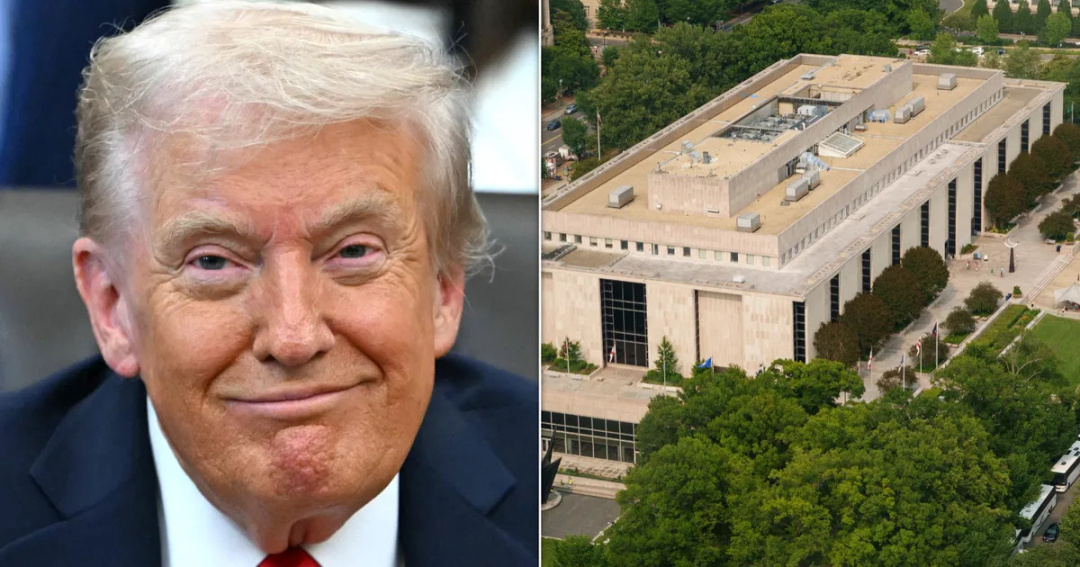
Trump Proposes Monumental Changes to Smithsonian with Giant Washington Statue
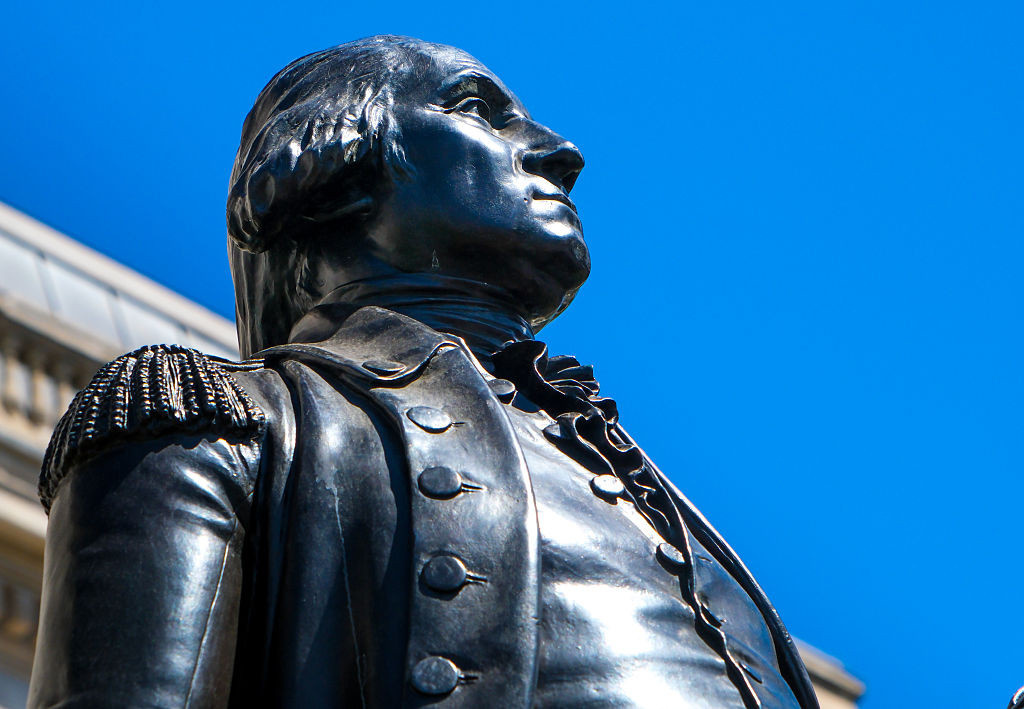
In a move that is both audacious and monumentally oversized, Donald Trump unveiled his latest vision for the Smithsonian Institution: a towering 30-foot statue of George Washington, which he insists would replace the current "Infinity," an abstract sculpture that has graced the museum since 1967. Trump declared this modernist piece as bereft of any American spirit, claiming it fails to honor the nation’s heroes. With such a grandiose design, one can’t help but wonder if the former president is also vying for a spot among America’s iconic architects and sculptors.
Trump's late-night musings on Truth Social detail not just a desire for a behemoth statue but also a call for a sweeping overhaul of how Washington’s legacy is presented at the National Museum of American History. Trump’s plan includes not only the installation of this massive statue but also a more modest 11-foot version to be placed inside the museum's Flag Hall by Constitution Day on September 17. This smaller statue previously made an appearance at the Freedom 250 Grand Prix race, which begs the question of whether Trump sees history as merely fodder for sporting events.
Still Beats Watergate:
Sponsor success. Continue reading:
Moreover, the former president is demanding a five-year exhibition dedicated to Washington that would run until the 300th anniversary of his birth in 2032. Trump’s indignation towards the Smithsonian’s previous exhibitions has led to a proposal to dismantle its recently concluded Center for Restorative History, which emphasized the stories of historically marginalized groups. Instead, he envisions a “Center for American Heroes,” a move likely to raise eyebrows across the cultural landscape.
Why Size Matters in Trump’s Vision
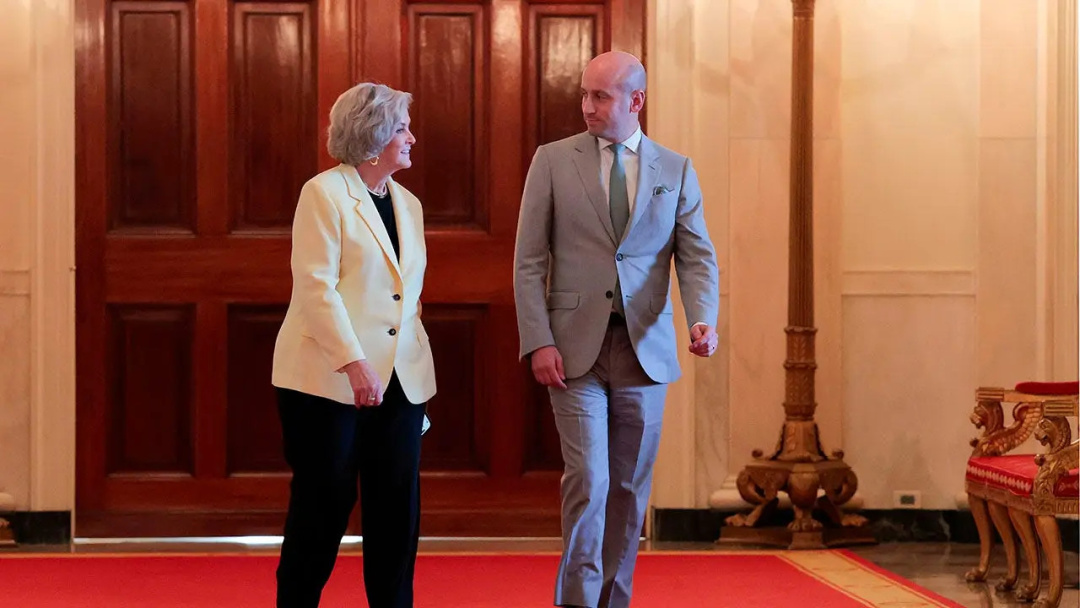
This overture comes just days after Smithsonian Secretary Lonnie Bunch announced his retirement amid ongoing tensions with the White House over the portrayal of American history. Whether Trump's directives can be actualized remains murky; the Smithsonian operates independently of the executive branch and is overseen by a Board of Regents. However, Trump's persistent pressure on the institution has been well-documented, particularly with his earlier executive order targeting what he dubbed "improper ideology" at the Smithsonian. This order has sparked criticism regarding the portrayal of slavery, race, and other sensitive topics in American history.
As Trump continues to champion a version of history that glorifies the Founding Fathers while dismissing narratives of oppression and exclusion, one must question the implications of such a monumental shift in the cultural narrative. Are we to replace art that reflects the complexities of American history with larger-than-life statues that serve to simplify and glorify?
As the dust settles on this latest proposal, it serves as a stark reminder of the ongoing battle over cultural representation in America, with Trump leading the charge, hammer and chisel in hand, ready to reshape the narrative as he sees fit.
Navigating Cultural Representation in America
The ramifications of Trump’s vision extend beyond mere aesthetics; they challenge the very foundation of how we remember and interpret our past. As debates over historical representation continue to unfold, the public must consider the broader implications of such proposed changes. Will we see a new era of cultural monuments that prioritize a singular, glorified version of history over the rich tapestry that encompasses all Americans? Only time will tell if Trump's vision for the Smithsonian becomes a reality or remains an extravagant footnote in the saga of American history.