Trump's Dream of a Unified Ireland Sparks Outrage: Irish Leaders Respond
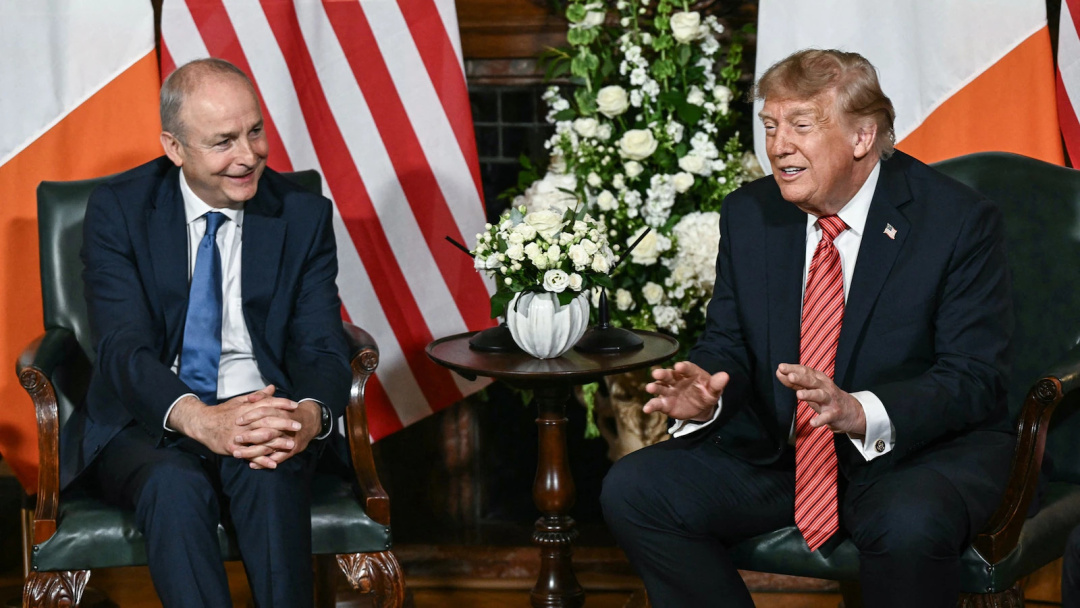
In a move that was stunning only in its transparency, President Donald Trump stirred the pot during his recent jaunt to Ireland, openly expressing his wish to see a unified Ireland. This comment, which was met with immediate backlash from leaders in Northern Ireland, demonstrated once again that Trump's knack for diplomatic faux pas knows no bounds.
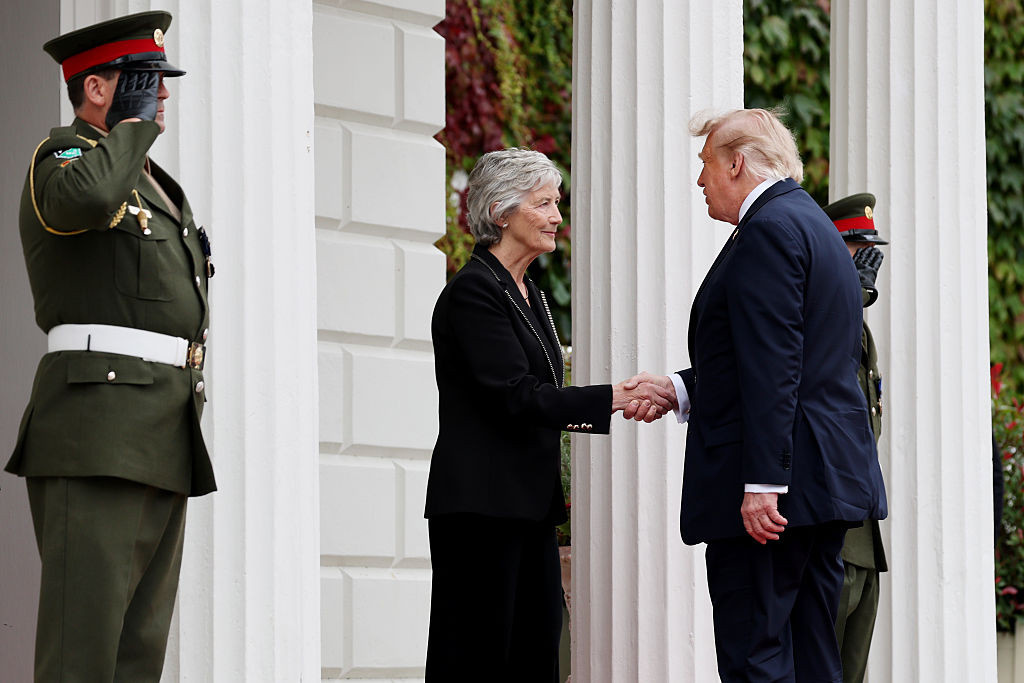
Upon his arrival in Dublin, Trump first met with Irish President Catherine Connolly—who has a track record of vocal criticism towards the U.S. president—before engaging in a more publicized meeting with Taoiseach Micheál Martin. During a subsequent press conference, Trump boldly declared, "I would love to see" the two Irelands become one, calling the prospect "fantastic."
Still Beats Watergate:
Sponsor success. Continue reading:
His attempt at levity in the face of a divided nation came across as tone-deaf. The history of the partition between Northern Ireland and the Republic of Ireland dates back to 1921, a time marked by centuries of conflict, including the tumultuous period known as "The Troubles." These conflicts reached a turning point with the Good Friday Agreement in 1998, which carefully delineated Northern Ireland's place within the United Kingdom, contingent upon the will of its citizens through a referendum.
Predictably, Trump's comments were met with swift and vocal opposition. Democratic Unionist Party leader Gavin Robinson took to social media to remind the president that "elections matter" and to emphasize that the future of Northern Ireland should be determined by its own people, not by the whims of foreign dignitaries.
Similarity echoed by Ulster Unionist Party leader Jon Burrows, who insisted that Northern Ireland is not a pawn in Trump's geopolitical game. "Our constitutional future does not depend on him or any other foreign dignitary," he stated, underscoring the importance of national sovereignty.
International Leaders React to Trump's Comments
Even the U.K. Prime Minister weighed in, reiterating that a vote for unification was "off the table," with a spokesperson affirming a commitment to the Good Friday Agreement.
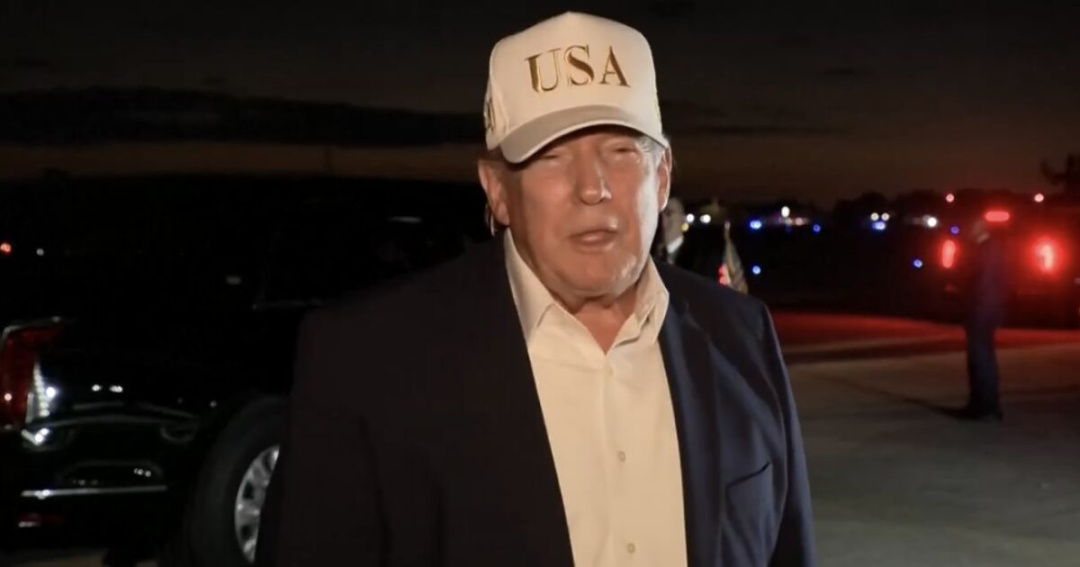
The streets of Dublin were not without protest during Trump's two-day visit, as demonstrators voiced their displeasure—was this a show of resentment aimed at Trump or simply a symptom of the global discontent with his presidency? Trump didn't shy away from acknowledging the controversy of his earlier comments at a gathering at the U.S. Embassy in Ireland, where he remarked, "I gave a nice answer, I think. We'll worry about it tomorrow."
The Irish Response to Trump's Remarks
As the episode unfolds, one can't help but admire the steadfastness of Irish political leaders who remain committed to their constitutional processes despite the unpredictable waves of American political commentary.
Ultimately, Trump's gaffe serves as a reminder of the delicate balance of international relationships and the importance of respecting local governance. Just as the Irish have shown resilience in the face of centuries of turmoil, it appears they will likewise remain undeterred by the unsolicited opinions of visiting presidents. As they navigate their path forward, one thing remains clear: the future of Northern Ireland is not a matter for circus-like commentary but a serious democratic process that should remain in the hands of its people.