From Heroes to Has-Beens: 2018 House Democrats Face Political Reckoning
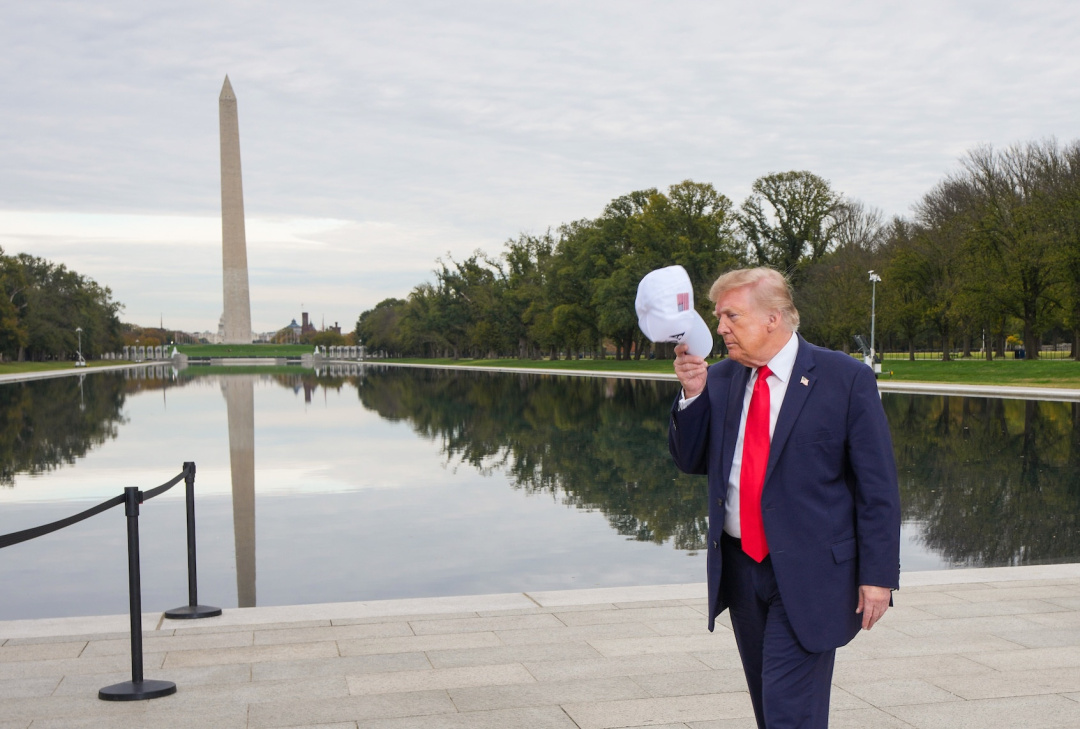
In 2018, a wave of change washed over Congress as Democrats flipped 42 Republican-held U.S. House seats, a feat hailed as a heroic stand against the then-looming menace of President Donald Trump. Fast forward to today, and it seems that the once-celebrated champions of the resistance are finding themselves washed back out to sea, grappling with the unpredictable ebb and flow of political fortunes.
The 2018 Democratic class made history as the largest influx of first-year House members in four decades, marking a high tide of youthful, diverse faces ready to challenge the status quo. Yet, as the post-election narrative unfolds, the reality is murky. Only 14 of these Democratic frontliners remain in the House, and with upcoming departures, their ranks will dwindle even further. The initial glimmer of hope has faded into a lesson about the transient nature of political success.
Still Beats Watergate:
Sponsor success. Continue reading:
The story of these lawmakers reflects a broader theme in American politics: the fleeting nature of voter favor. Many of those who once seemed like solid fixtures in Congress have faced the harsh winds of change. For some, aspirations to higher office have been met with swift defeats. Take Angie Craig, for example; while her victory in a Republican-leaning district was commendable, her moderate stances eventually alienated her from a Democratic base that now craves a fighter, not just a figurehead.
The 2018 election strategy, which emphasized candidates with public service backgrounds, may have initially appealed to the electorate. Voters were drawn to their aura of competence and bipartisanship—a necessary camouflage against the chaotic Trump administration. However, as Dan Sena, the former executive director of the Democratic Congressional Campaign Committee, pointed out, the desires of the Democratic base have shifted. What was once seen as a preference for maturity in governance has morphed into a demand for combativeness in the current political arena.
Lawmakers like Jared Golden, who won in a significantly Republican district, have faced their own unique challenges. His blend of progressive views and cultural conservatism has often put him at odds with the Democratic leadership, leading to increasing frustrations both from allies and constituents. In his final act before leaving Congress, he voted with Republicans on a procedural issue, a bold move that drew ire from fellow Democrats.
As the political landscape continues to shift, the upcoming 2026 elections present a daunting challenge. The Republicans have been rallying to reclaim lost ground, while the remaining 2018 Democrats are left grappling with how to adapt their messages and strategies to an electorate that seems increasingly less interested in compromise and more focused on confrontation. As Democrats attempt to navigate this rough political sea, it raises the question: can they find a way to reclaim their footing in districts that once felt like home?
The Quest for Political Resurgence
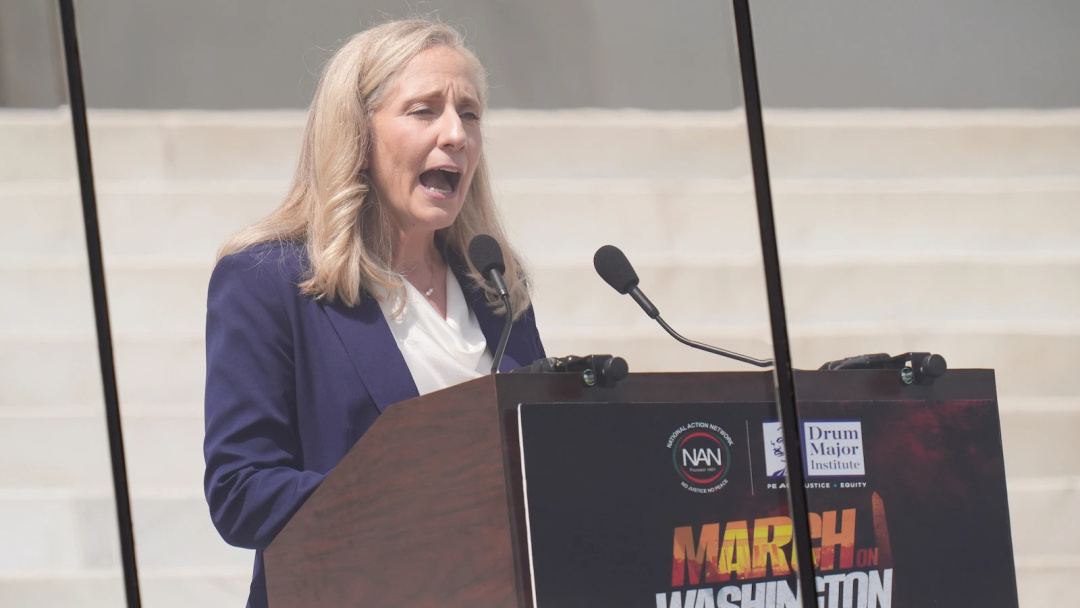
In the face of adversity, not all is lost for the class of 2018. Representatives like Mikie Sherill and Abigail Spanberger have successfully transitioned to gubernatorial roles in New Jersey and Virginia, respectively. Their campaigns, focused on the cost of living, might just be the playbook Democrats need to replicate across other battlegrounds.
As the 2026 elections approach, the political stakes remain high. Will the party be able to reframe its identity and reconnect with voters who once embraced them? Or will the early exits of so many of their champions serve as a cautionary tale about the unpredictability of American politics? As the tides continue to shift, one thing is certain: the fight for the House is far from over, and the lessons of 2018 will echo through the halls of Congress for years to come.
Your Takeaway
The fates of the 2018 House Democrats serve not only as a reminder of the perilous nature of political careers but also as a harbinger of the challenges that lay ahead for the Democratic Party. The ongoing struggle to maintain relevance in an ever-evolving political climate underscores the need for a strategic reassessment if they hope to avoid being swept away again. As they prepare for the next electoral battle, only time will tell if they can harness the spirit of resilience needed to weather the storm and emerge victorious once more.