El-Sayed's Rally: Doctors vs. Government in Trans Care Debate
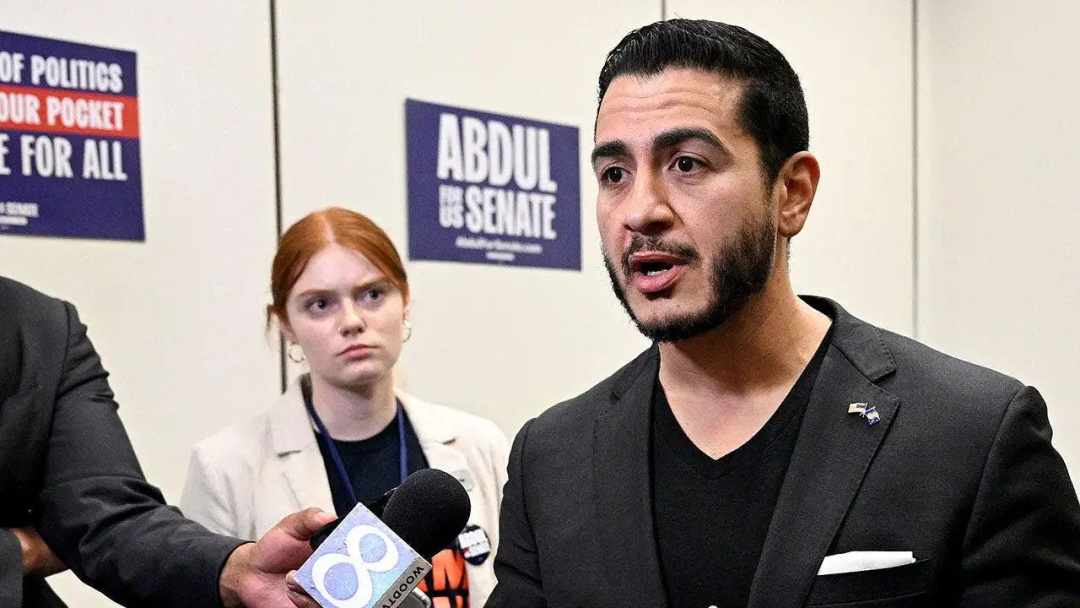
At a rally held at Michigan State University, Michigan Democratic U.S. Senate candidate Abdul El-Sayed made headlines with his fervent defense of medical autonomy concerning gender transition procedures for minors. El-Sayed, who has proudly promoted his credentials as a physician throughout his campaign, argued that decisions regarding sex changes should revert to the realm of medical professionals rather than be dictated by governmental policy. He provocatively stated that it should be ‘whole a--’ doctors making these pivotal treatment decisions, not bureaucrats in Washington.
His remarks came in response to a student's question about the ongoing national debate over minors' access to gender-affirming care. El-Sayed asserted that the government ought to take a backseat in these discussions, emphasizing that it is not Washington’s role to dictate healthcare choices, especially those so intimately connected to personal identity and well-being. The former head of the Detroit Health Department reiterated his belief that the relationship between patients, their parents, and their doctors should remain sacrosanct, free from legislative intrusion.
Still Beats Watergate:
Sponsor success. Continue reading:
As the political landscape shifts with increased restrictions on minors’ access to gender-affirming treatments—significantly driven by the Trump administration—El-Sayed’s position stands in stark contrast to the policies being enacted across various states. He referenced the recent decision by Mount Sinai and other hospitals to halt sex-change procedures for children, underscoring the urgency of keeping such decisions within the medical community.
El-Sayed faced scrutiny for his credentials, as reports emerged detailing his lack of a medical license in both Michigan and New York, despite his claims of expertise. Nevertheless, he portrayed himself as a champion of patient rights and the integrity of medical practice, challenging his opponents to consider whether they truly value the bond between doctors and patients.
Challenging Conservative Healthcare Principles
In a bold declaration, he pointed out the inconsistency of his Republican counterparts, who have historically pushed for less government interference in healthcare through initiatives like the Right to Try Act. He challenged them to extend that logic to the realm of gender-affirming care, emphasizing that the autonomy of medical professionals should be upheld. His argument hinges on the notion that if conservatives value personal freedom concerning experimental treatments, that principle should equally apply to gender transition therapies.
As El-Sayed continues to navigate his campaign, he faces the dual challenge of addressing contentious healthcare issues while also ensuring his platform resonates with voters who are increasingly polarized on matters of gender identity and medical ethics. The implications of his stance are significant, especially given the current backdrop of heightened scrutiny on transgender healthcare across the nation. The tension between political authority and medical autonomy is palpable, making this topic a focal point not only for El-Sayed’s campaign but for the broader political discourse.
Your takeaway
His campaign spokesperson defended El-Sayed's credentials, highlighting his medical degree from Columbia University and a doctorate in public health from Oxford as evidence of his qualifications. They argued that his experiences as a physician equip him to engage meaningfully in the complex discussions surrounding healthcare policy.
Yet, as the debate over the treatment of gender dysphoria continues, the conversation surrounding minors' access to gender-affirming care illustrates the broader conflict between medical ethics and political agendas. As El-Sayed pushes forward, his ability to reconcile these elements within his campaign narrative will play a crucial role in how he positions himself against his opponents as the election approaches.