Court Blocks Trump’s Attempt to Shrink FEMA Amid Disaster Response Concerns
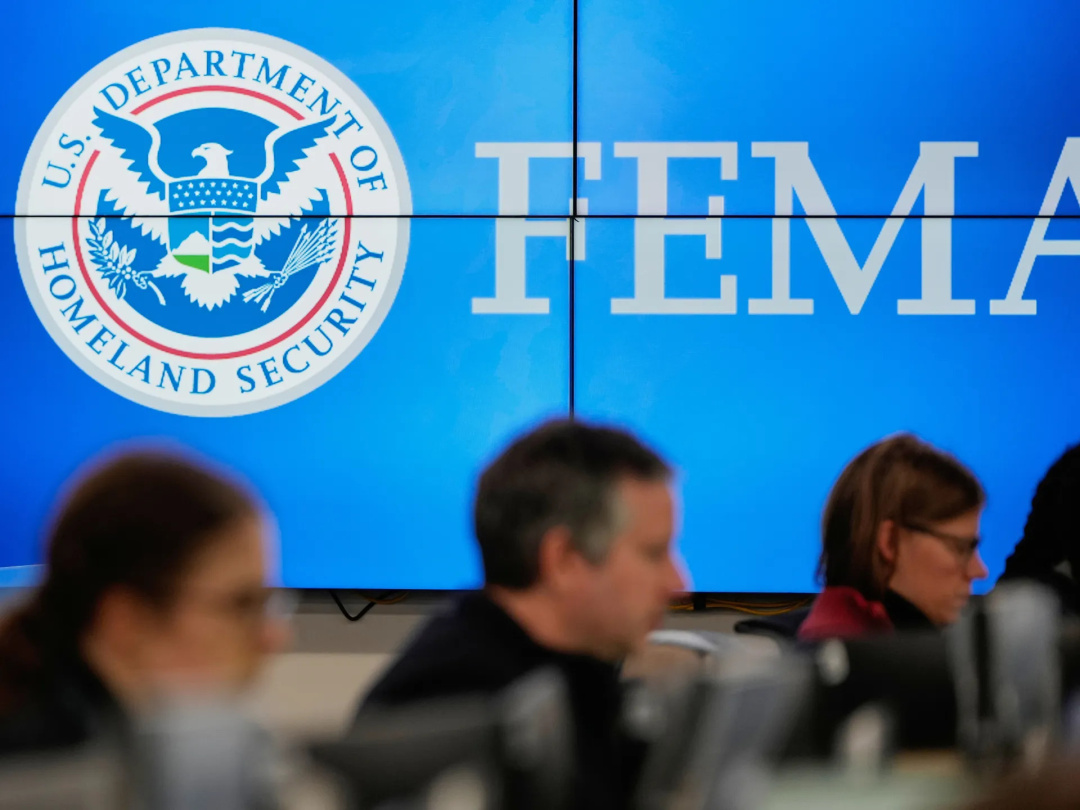
In a stunning display of judicial resistance to the Trump administration's bureaucratic downsizing efforts, a federal judge has ruled that the cuts to the Federal Emergency Management Agency (FEMA) were unlawful. On Friday, U.S. District Judge Susan Illston delivered a decisive blow to an administration keen to trim what it views as excess fat in the federal workforce. This ruling highlights the precarious balance between fiscal conservatism and the nation's readiness to respond to natural disasters.
Judge Illston's decision stemmed from a lawsuit filed by labor groups representing federal workers who were understandably alarmed by the administration's plans to drastically reduce FEMA's numbers. The judge determined that the Department of Homeland Security (DHS) had overstepped its bounds, depriving FEMA of its autonomy in managing its workforce effectively. Judge Illston pointed out that the administration's failure to provide a coherent rationale for the cuts was not just negligent, but a violation of federal law, which explicitly restricts the DHS from diminishing FEMA's authority.
Still Beats Watergate:
Sponsor success. Continue reading:
The ruling came in the wake of a broader push by the Trump administration to downsize the federal workforce, with President Trump himself questioning the necessity of a robust FEMA in the first place. This skepticism towards federal disaster response reflects a larger ideological battle over the role of government in crisis management. After all, who needs a well-prepared federal agency when states can just wing it, right?
As the judge outlined, FEMA's projected workforce was set to shrink to about half its previous level, a staggering reduction that raises serious questions about the agency's ability to respond to disasters like hurricanes, wildfires, and floods. After the devastation of Hurricane Katrina in 2005, Congress had taken steps to bolster FEMA’s independence and effectiveness. Yet here we are, in 2026, with a president who appears all too willing to gamble with the safety of Americans during emergencies.
Perhaps most amusingly, the ruling did not include an immediate order for the administration to reinstate the jobs it sought to eliminate. Instead, the judge indicated that this decision would come in a separate ruling next month. If only someone could slow down the administration’s race to the bottom long enough to consider the consequences.
As FEMA prepares for its upcoming fiscal year, one must wonder how many employees will remain willing to risk their lives for a government that seems increasingly disinterested in their existence. The specter of reducing such essential personnel hangs ominously over the agency's operations, and judging by this ruling, it won't be the last word in this bureaucratic saga.
A Broader Implication for Federal Preparedness
The implications of this ruling stretch beyond mere numbers and figures. It raises crucial questions regarding the future of federal disaster preparedness under the current administration. If Trump's administration is willing to cut jobs at FEMA, what does that mean for the overall approach to disaster management? Are we witnessing the decline of federal responsibility in safeguarding citizens during crises?
Only time will tell how this ruling will shape the trajectory of FEMA and federal disaster response. Judge Illston's decision reflects a commitment to uphold the agency's integrity, but the real test will come in how the administration responds. As the public awaits the next round of legal wrangling, one thing is clear: the battle over FEMA is far from over.
Your takeaway
In the face of this ruling, the question remains: will the Trump administration accept this judicial check on its authority, or will it double down on its pursuit of a leaner federal workforce at the expense of public safety? As citizens, we must remain vigilant, ensuring that our government remains accountable, especially when the stakes are as high as disaster preparedness. The future of FEMA hangs in the balance, and the implications of this legal battle could reshape federal disaster management for years to come.