Trump's $5,000 Political Pledge: A Risky Gamble for Republicans
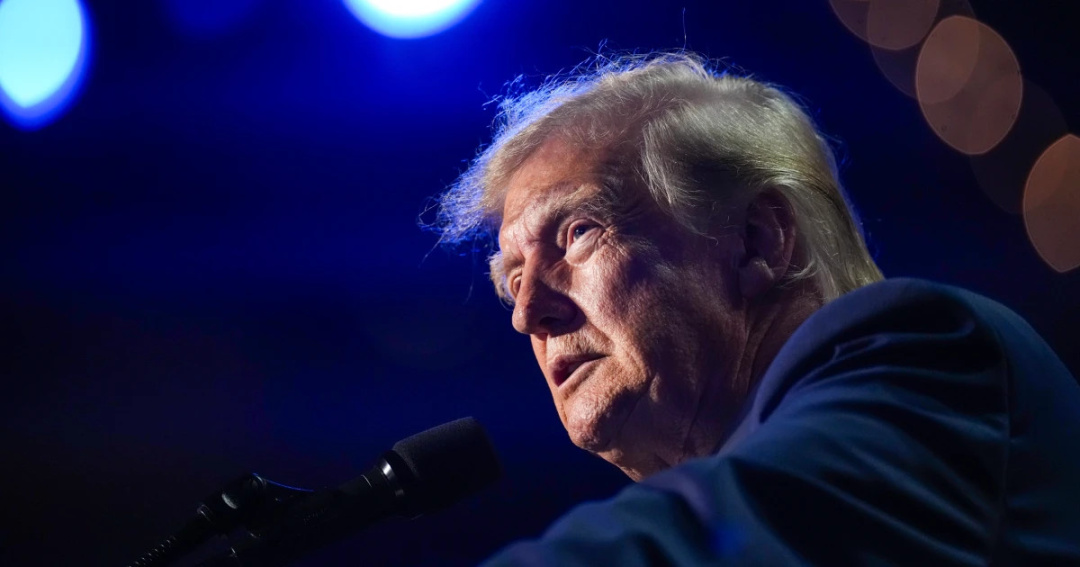
In a bold move that has left political analysts shaking their heads, President Donald Trump has pledged to distribute $5,000 to each adult American if voters keep Republicans in charge of Congress after the midterms. The implications of this promise are staggering, and the chorus of critics is growing louder, with accusations of bribery on one end and socialist overtones on the other. It's not just the left who’s worried; even some on the right are scratching their heads and asking, 'What was he thinking?'
Critics like Maya MacGuineas, president of the nonpartisan Center for a Responsible Budget, have labeled the proposal as "fiscally dangerous and economically backwards." According to her calculations, this plan could set taxpayers back by an eye-watering $1.2 trillion. Economists are also raising their eyebrows, noting that an infusion of such size could ignite inflation like a match to dry kindling. After all, the last thing anyone wants is to turn the economy into a game of musical chairs where everyone is left standing when the music stops.
Still Beats Watergate:
Sponsor success. Continue reading:
The biggest hiccup in this whole scheme is the necessity for congressional approval—something Trump doesn’t seem to have fully considered. He’s managed to create an expectation that he might be unable to deliver on. Given that Trump has a history of making promises that often go unfulfilled, like the end of wars and inflation, even his most ardent supporters might be feeling a twinge of skepticism.
Trump's gamble could very well alienate those who are not firmly in his camp, which could dampen GOP enthusiasm heading into the elections. After all, it's a tall order to convince independents that voting Republican will earn them a cash bonus, especially when so many are still grappling with the reality of unmet promises from previous campaigns.
Vance's Strategy Amidst Internal Divisions
Meanwhile, Vice President JD Vance is encouraging Republicans across battleground states to take a more aggressive stance in the upcoming elections by highlighting both their successes and the crazy antics of the Democrats. Vance's remarks reflect a strategy that leans heavily on painting the opposition as out of touch, but it also serves as a reminder that the GOP has its own internal fractures to mend.
Vance’s approach suggests an understanding that the party must rally around a coherent message while also ensuring that they don’t appear as though they’re peddling fairy tales about cash giveaways. The question remains: can they convince voters that their vision is preferable to Trump's audacious financial promises? As the election draws closer, the stakes continue to rise, with both sides scrambling to define the narrative.
The High Cost of Promises
The fallout from Trump’s pledge could be significant—not only financially but also politically. A promise that may seem like a simple vote-buying tactic could backfire, leading to further disillusionment among the electorate. If the GOP fails to unite behind a clear strategy, they risk watching their chances diminish as the election date approaches. If Trump's plan is seen as out of touch, it could lead to a wider rejection of Republican candidates who may be forced to distance themselves from these dubious monetary promises.
As this political theater unfolds, it’s clear that Trump’s latest gambit is as risky as it is audacious. In a world where fiscal responsibility is more than just a talking point, the challenge will be to find a way to make such extravagant promises without drowning in the economic implications. As voters prepare to head to the polls, they will undoubtedly weigh the credibility of the candidates against the backdrop of their promises—both the actual and the implied. Time will tell if this gamble pays off or if it leads to yet another broken promise in a political landscape rife with them.