Political Figures Reflect on 9/11 Memories Amid Anniversary Ceremonies
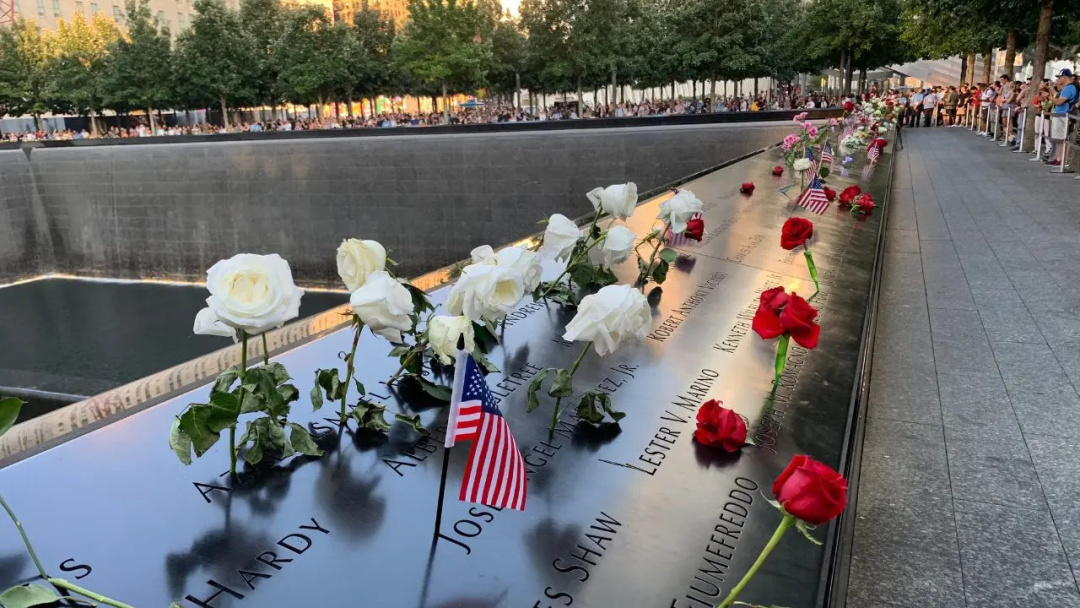
This Friday marks a somber milestone as the United States gathers to commemorate the 25th anniversary of the September 11 terrorist attacks. With ceremonies planned at the 9/11 Memorial in New York, the Pentagon, and the Flight 93 National Memorial in Pennsylvania, various political figures are expressing their thoughts on the significance of the day, not just for remembrance but as a reflection of our current national state.
The 9/11 Memorial & Museum is taking center stage in this national observance, and president of the museum, Elizabeth Hillman, emphasizes the urgency of educating the nearly 100 million Americans who were born post-9/11 about the historical events and the responses that shaped the nation thereafter. In a nation that has seen its fair share of political drama and shifts in ideology, the need for historical context is as crucial as ever.
Still Beats Watergate:
Sponsor success. Continue reading:
As the nation remembers, retired Maj. Gen. Bert Mizusawa, who had a front-row seat to history, reflects on that fateful day when he watched the Pentagon come under attack. "I looked out my window and was able to observe the plume of smoke rising from the attack on the Pentagon," he recalls, a vivid reminder that the day connected deeply with many personal stories and tragedies.
Among the notable attendees, former President Donald Trump is expected to speak at the Pentagon ceremony, and his presence highlights the ongoing political implications surrounding the memorial. Attendance by multiple former presidents, including George W. Bush, Barack Obama, and Bill Clinton, suggests an unusual bipartisan acknowledgment of the day’s importance, despite the typical rhetoric that divides the current political landscape.
Yet, not all reflections are steeped in solemnity. Some within the GOP are using this moment to stoke political fires, as evidenced by the push from GOP senators to ban certain individuals from participating in the ceremonies, citing their records as "disgraceful". It seems that even in death, the political game continues, with grief being weighed against political strategy.
Bipartisan Remembrance and Political Opportunism
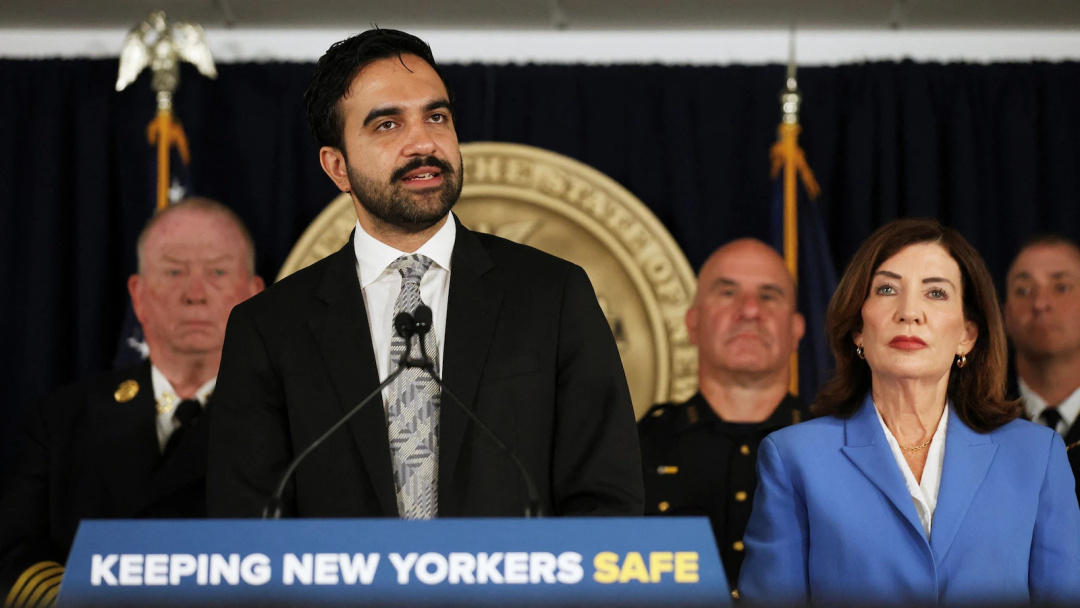
In New York, Governor Kathy Hochul and Mayor Zohran Mamdani will also honor the lives lost, with a reading of names scheduled at the World Trade Center site. Their presence reinforces a narrative of resilience, as Hochul notes, "The terrorist attacks on September 11 forever reshaped our city and state." The political overtones of such remarks can’t be ignored; remembering the tragedy has become intertwined with affirming political identities and commitments.
As we approach the ceremonies, many bereaved families, like that of New York State Courts officer Tommy, who died while helping a victim, continue to grapple with their loss. Local leaders like Nassau County Executive Bruce Blakeman emphasize that for many families, the pain from that day remains fresh, advocating for a collective memory that honors both the dead and the living who continue to fight against threats to national values.
In a world where political discourse often feels detached from the weight of historical events, the 25th anniversary of 9/11 serves as a reminder that collective memory is still a powerful narrative force. While the ceremonies offer a moment for reflection, they also highlight the ongoing complexities of national identity—where commemoration can swiftly shift to opportunism, reminding us that the past is never truly settled but remains a living part of our political fabric.
Your Takeaway
As we observe this significant day, it is crucial to balance remembrance with a critical eye on how historical events shape our present political landscape. The interplay between loss, memory, and political posturing illuminates the complexities of national identity. As officials gather to honor those lost, may we also consider the implications of their commemorations and the narratives they choose to elevate during this somber occasion.