Democrats Embrace Early Voting as Mail Ballot Woes Loom
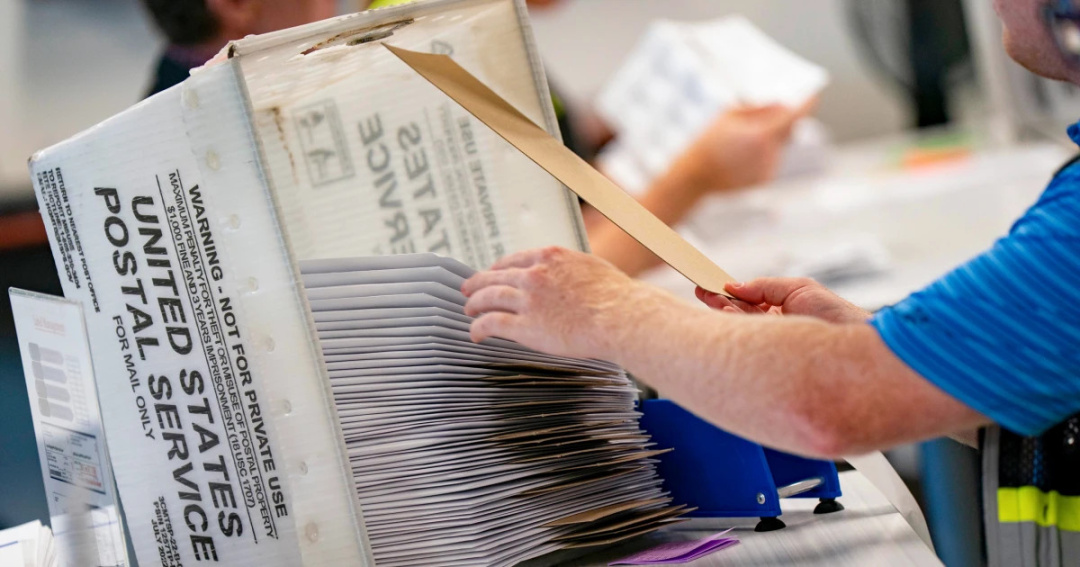
As Election Day draws near, Democrats are steering their voting message into decidedly uncharted waters, prioritizing early in-person voting over mail-in ballots. The shift comes as concerns mount regarding President Donald Trump’s executive order that could disrupt mail voting, leaving Democrats scrambling to reassure voters about their options. Jane C. Timm and Natasha Korecki of NBC News reported that with less than eight weeks to go until the polls open, the implications of this strategy resonate deeply within the party, as they attempt to navigate an electoral landscape fraught with uncertainty.
Historically, Democrats have been champions of mail-in voting, particularly since the COVID pandemic, when many voters turned to it as their preferred method. However, as Trump’s past interventions and operational hiccups within the U.S. Postal Service have raised alarms, party leaders are recalibrating their message. “We need to emphasize early in-person voting,” insists Jane Kleeb, a prominent figure in the Democratic National Committee. “This year, we’re urging voters to show up at their election offices and cast their ballots early.” The urgency is palpable, and the goal is clear: ensure Democrats capitalize on every vote, especially as control of Congress hangs in the balance.
Still Beats Watergate:
Sponsor success. Continue reading:
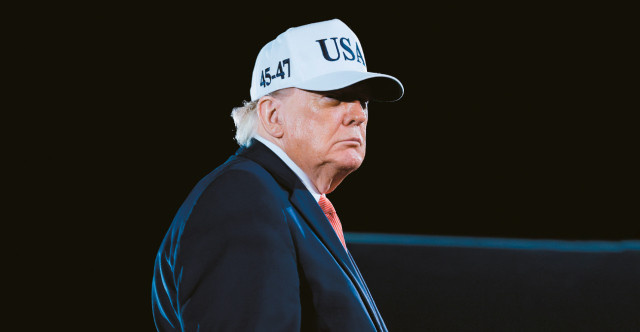
In an ironic twist, while Democrats work tirelessly to adapt their voting strategies, Republicans seem to be grappling with their own dilemmas at the midterm convention in Dallas. Trump took center stage, urging his supporters to rally behind GOP candidates even when he’s not on the ballot. He even proposed a $5,000 “dividend” for each American if Republicans hold onto power, a tall order laden with logistical uncertainties. The juxtaposition of these two narratives—Democratic adaptation to voting concerns and Republican attempts to invigorate a somewhat disenchanted base—paints a vivid picture of the current political theater.
The Republicans have their challenges as well, facing dwindling approval ratings for Trump and a growing dissatisfaction among voters regarding pressing issues such as the Iran war and rising living costs. Vice President JD Vance’s speech called for loyalty despite these concerns, and he urged supporters to not abandon their party due to policy disagreements. Yet, the optics suggest that the GOP is banking heavily on nostalgia and loyalty to Trump to energize voters in crucial swing states.
Strategies Intensify as Election Day Approaches
As both parties hustle to shape their strategies ahead of November, one thing is crystal clear: the stakes have never been higher. The Democrats must ensure that their voters are both informed and motivated to vote early, while Republicans need to rally their base without the magnetic force of Trump on the ballot. With voter turnout proving to be the lifeblood of any successful campaign, the evolving narrative surrounding mail-in voting versus early in-person voting will undoubtedly be a focal point as Election Day approaches. The tension between these strategies encapsulates the broader battle for control of Congress, suggesting that every vote will count and every decision made in the coming weeks could tip the scales.
What This Means for Voters
As the two parties prepare for the upcoming midterms, the struggle to engage voters remains paramount. With Democrats pivoting towards in-person voting and Republicans trying to rekindle a fervent base, both sides are aware that the road to victory will be paved with active voter participation. The cultural and operational shifts in how votes are cast may ultimately define the outcome of November’s elections, highlighting a continuing evolution in the American electoral landscape.
For voters, the implications of these changing strategies are significant. Those who might have relied on mail-in ballots in the past will need to reassess their voting plans, and early voting will require increased attention to ensure ballots are cast successfully. As both parties ramp up their efforts to secure every possible vote, the emphasis on engagement and turnout will be crucial in determining which party emerges victorious in the political melee that lies ahead. The evolving dynamic serves as a reminder that in politics, adaptability is often the key to survival, especially in the ever-shifting landscape of American democracy.