White House Denies FCC Censorship Claims by Jimmy Kimmel, Calls Narrative False
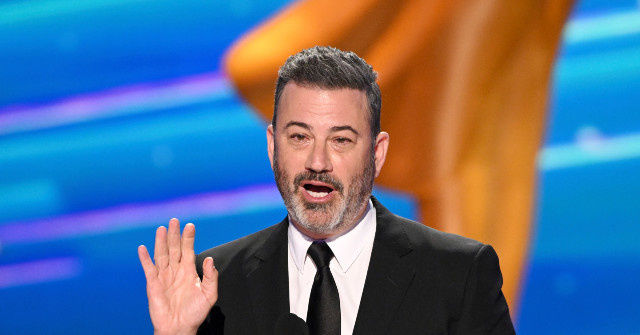
In a stunning display of political theatre, the White House has swiftly brushed aside late-night talk show host Jimmy Kimmel's claims that the Federal Communications Commission (FCC) threatened him over his upcoming interview with Texas Democrat Senate candidate James Talarico. According to Kimmel, the FCC has launched a campaign of intimidation against him and his network, ABC, suggesting that federal agents are wandering the halls of television studios, dictating guest bookings based on their own editorial whims. In a statement that could easily qualify as a masterclass in media spin, White House Assistant Press Secretary David Ingle accused Kimmel of merely engaging in 'play-acting' to concoct a 'false narrative' about the Biden administration's supposed oppressive tendencies. "Jimmy Kimmel is play-acting — as he often does — to create a false narrative about this administration’s policies," Ingle declared. "Chairman Carr has not threatened him regarding interviewing James Talarico or any other candidate. Any media outlet blindly amplifying Kimmel’s egocentric delusion should insist on proof. Of which they will find none." Despite these denials from the White House, Kimmel has opted to move the interview with Talarico to YouTube, declaring that it will not air on television due to concerns for ABC affiliates in Texas who might face backlash from the Federal government. This move has prompted Talarico, who has his own thoughts on government interference in media, to chime in, suggesting that censorship is a bipartisan issue that impacts all Americans. "Government censorship should be a concern to all of us, regardless of our political party," he lamented during an interview, emphasizing the dangers of powerful politicians manipulating public discourse. As this drama unfolds, the FCC finds itself at the center of a growing controversy. Recently, they have also questioned the equal-time rule exemption for ABC's The View, showing that the agency is no stranger to media scrutiny. Such actions lend credence to Kimmel's fears, albeit indirectly, as they raise questions about the agency's view on free speech and editorial independence. Ingle's response, positioning the White House as the guardian of journalistic integrity against Kimmel's claims, paints a picture of a government that is perhaps more concerned with public relations than the actual dissemination of information. The back-and-forth highlights not only the complicated relationship between media personalities and federal agencies but also raises questions about the reach and power of government oversight in a democracy that prides itself on freedom of speech. As the audience waits for Kimmel's interview to drop on YouTube, it remains to be seen if this spat will escalate further, or if it will fade into the annals of political squabbling, forever leaving us to ponder the whims of government censorship in America today.
Still Beats Watergate:
Sponsor success. Continue reading: