New Pentagon Strategy: Just Keep Throwing Money at the Problem
In a bold move that would make even the most seasoned grifter blush, the Pentagon has announced a new strategy that redefines military spending as not just a budgetary concern, but a high-stakes game of Monopoly where the only rule is to keep buying properties and never pass go. This initiative aims to respond to the recent geopolitical developments with an approach that heavily prioritizes financial investments over actual military effectiveness, because as everyone knows, nothing says 'we mean business' like an overflowing coffers.
The plan, dubbed "More Bang for Your Buck: The Art of Spending Without Accountability," has been met with overwhelming enthusiasm from both the defense industry and a select group of politicians who have consistently demonstrated a knack for redirecting taxpayer dollars into their own private oasis. As tensions escalate with Iran, the Pentagon has found itself at a crossroads: engage diplomatically or open the floodgates to military expenditures. Spoiler alert: they chose the latter.
Still Beats Watergate:
Sponsor success. Continue reading:
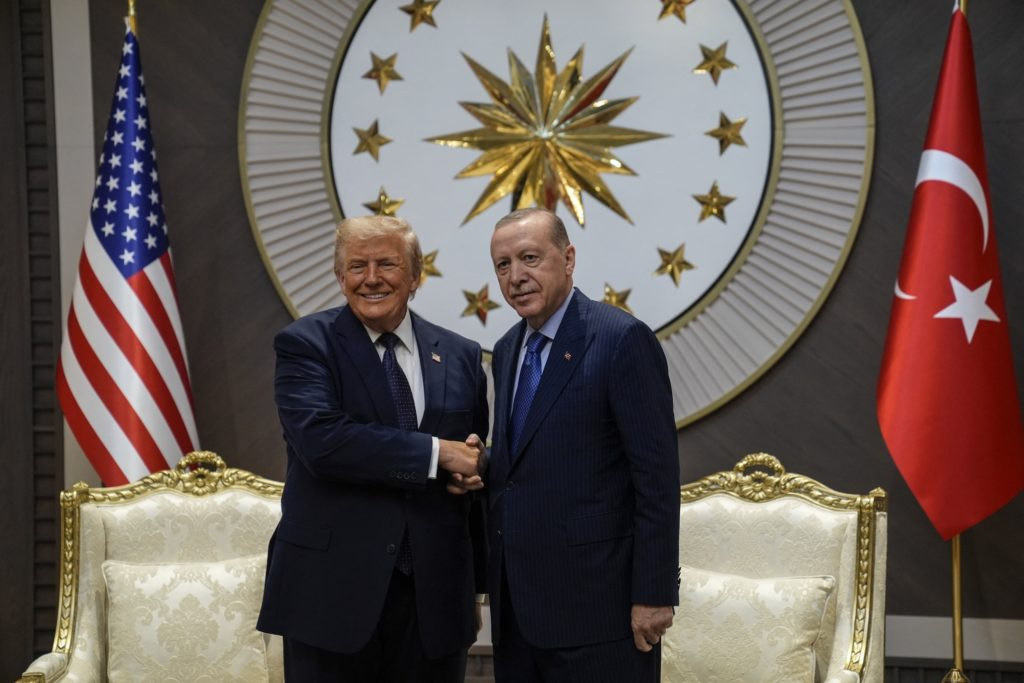
The Pentagon's ethos is simple: when in doubt, throw another billion dollars at the problem and hope no one notices the glaring absence of a coherent strategy. With NATO leaders gathered in Turkey to discuss new military initiatives, President Trump has taken the opportunity to push for increased military budgets, emphasizing that if there's one thing Americans love, it's a good old-fashioned military parade funded by their own wallets.
As military analysts scramble to decipher the convoluted logic of this spending spree, one senior official, who preferred anonymity to prevent a public relations debacle, commented, "We believe that the more money we throw at our military, the more powerful we'll appear. It's basic economics, really. Who needs strategy when you've got a giant budget?"
In a related development, Democratic leaders are calling for Maine Senate candidate Graham Platner to step aside after allegations of misconduct surfaced. Political analysts speculate that Platner may have unwittingly distracted attention from the Pentagon's spending blitz, an act so egregious that it could only be categorized as political sabotage. After all, how dare a candidate overshadow the military's triumphant march to the bank?
In this environment of political bluster, the Pentagon's strategy reflects a broader trend in Washington: when the going gets tough, the tough get... well, tougher budgets. Expect to see this new military spending initiative rolled out with all the fanfare of a Hollywood blockbuster, complete with a dazzling array of graphics depicting our armed forces as the ultimate superheroes, armed not just with tanks and drones, but with infinite taxpayer dollars. And as the world watches, the only question left is: how much longer will the American public tolerate this charade before demanding accountability?