Joe diGenova Resigns: Signs of Trouble for Trump's Political Vendettas
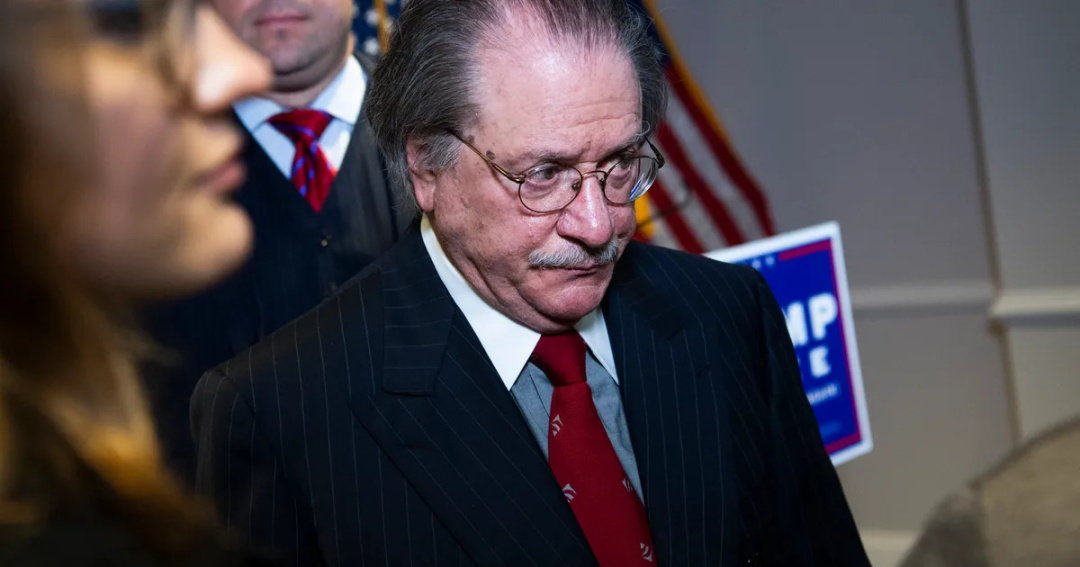
In a dramatic twist worthy of a political thriller, Joe diGenova, the former federal prosecutor and notorious 2020 election denier, has left his post overseeing a probe into President Trump's political opponents. The Trump administration’s retribution campaign hit a snag this week as diGenova's resignation has sparked speculation about the stability and effectiveness of Trump's vendetta-driven agenda.
DiGenova’s departure, reported by ABC News, follows rising tensions with senior Justice Department officials. His time at the department was described by him as an "honor and a privilege," but he offered little insight into the reasons behind his abrupt exit. Speaking to NBC News after resigning, diGenova revealed that the days leading up to his resignation were marked by a "secrecy of administrative behavior," suggesting a chaotic atmosphere within the DOJ.
Still Beats Watergate:
Sponsor success. Continue reading:
Despite his proclamations of following federal prosecution principles, insiders have indicated that diGenova was frustrated by a perceived slow pace in issuing indictments and was mired in what sources described as "rabbit holes." These frustrations seem to reflect a broader struggle within the Trump administration to translate its desire for retribution into actual criminal charges, a task that is proving to be more complex than it appears.
The grand conspiracy investigation diGenova was overseeing is reportedly focused on former federal officials involved in the investigations of Trump’s campaign during the 2016 election, particularly the origins of the collusion investigation. While diGenova claimed that the team in Florida was capable of succeeding if allowed, sources have pointed out that his resignation may signal just how tenuous the Justice Department's efforts have become in the face of mounting evidence and legal scrutiny.
Resignations Reflect DOJ's Internal Struggles
The DOJ has long been embroiled in accusations of politicization under Trump, with a special focus on rooting out perceived anti-Trump bias. This backlash has led to an alarming trend of resignations among DOJ officials, as many investigators and prosecutors leave or are fired under the increasingly hostile work environment instigated by the administration's demands. DiGenova's exit may be a telling sign of this dysfunction, as even a figure considered a veteran prosecutor appears to have reached his ethical limits when faced with pressure to pursue charges without adequate evidence.
As the dust settles on diGenova’s departure, it becomes clearer that Trump’s attempts to exact political vengeance are faltering under the weight of legal realities. The DOJ’s repeated failures to secure convictions against Trump’s critics—coupled with the exodus of staff unwilling to bend ethical standards—paints a portrait of an administration scrambling to maintain its grip over the legal apparatus while pursuing personal vendettas.
The Bigger Picture of Justice Department Politics
Tremitiere, from Protect Democracy, argues that diGenova's resignation fits into a larger pattern of Trump’s legal strategies failing to come to fruition. The administration’s threats of prosecution often give way to delays and retreats when real evidence is needed. This pattern not only undermines the credibility of the Justice Department but also raises broader alarms about the future of its independence in the face of Trump's ongoing attempts to weaponize it against his adversaries.
DiGenova's departure stands as a reminder of the ethical dilemmas faced by those in powerful positions within the DOJ. The ongoing political drama surrounding Trump's administration indicates that while he may demand loyalty, he may also be courting chaos within the very institutions meant to uphold the law. The ramifications of diGenova's exit may reverberate far beyond his tenure, exposing the fragile state of Trump’s influence over the Justice Department and its capacity to operate free from political interference.