Pastor with Criminal Past Leads Prayer at GOP Senate Rally
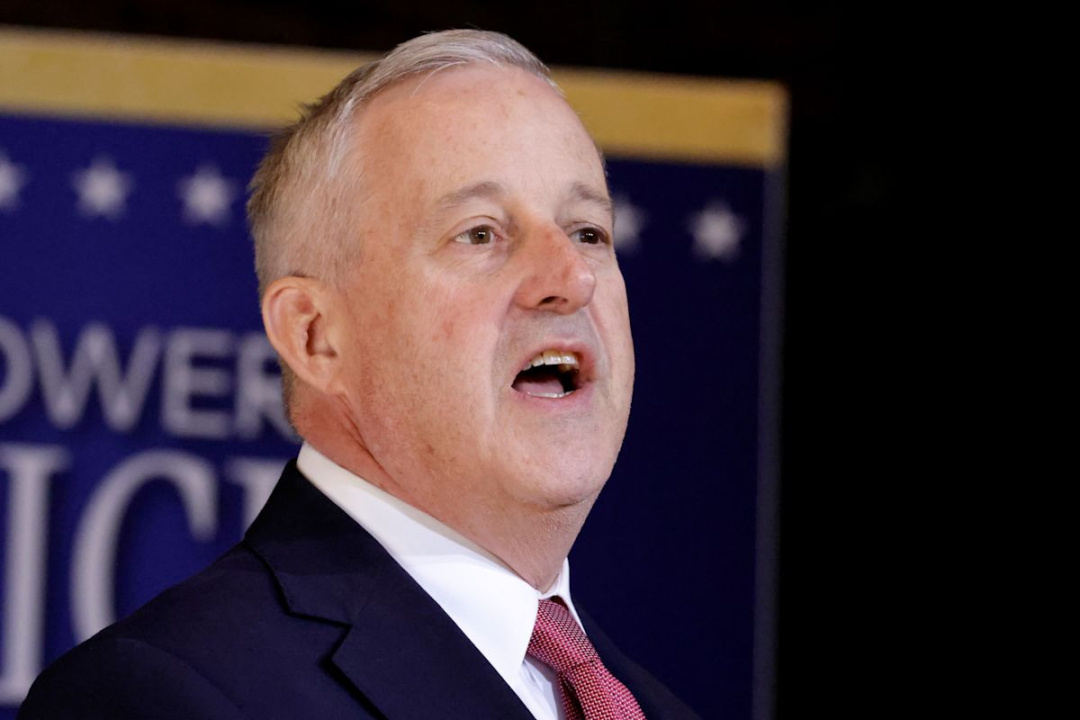
At a recent campaign rally in North Carolina, where Republican Senate nominee Michael Whatley was addressing supporters, the opening prayer was delivered by Pastor Daimon L. King, a controversial figure due to his status as a registered sex offender. King, who has a history of serious convictions involving minors, invoked calls for integrity and honesty from the divine, a request that seems tacked onto a hard-hitting political backdrop. This event, held just two months before a critical Senate race, risks undermining Whatley's central narrative that his Democratic opponent, Roy Cooper, is weak on crime.
Whatley's campaign quickly distanced him from King, emphasizing that the pastor was not invited by the campaign and had been brought in by the local Craven County Republican Party. However, the optics of a convicted sex offender leading a prayer for a candidate attempting to maintain a law-and-order image is unlikely to sit well with the electorate. Political analysts are already speculating about the potential damage this incident could inflict on Whatley's campaign.
Still Beats Watergate:
Sponsor success. Continue reading:
It’s worth noting that this isn't King’s first foray into political controversies. The pastor has previously aligned himself with hard-right conservative values and has been vocal in his support for former President Trump. His involvement in the event is particularly eyebrow-raising given his criminal history, which includes two separate prison sentences for offenses against minors. The backlash against Whatley is likely to intensify, especially as Democratic opponents prepare to unleash a wave of advertisements linking him to both King and another convicted sex offender, Harvey L. West, who was also associated with the North Carolina GOP during Whatley's chairmanship.
The ramifications of this prayer go beyond mere optics; they tap into broader themes of accountability and redemption in political life. Political commentator Chris Cooper from Western Carolina University pointed out that such revelations could alienate conservative voters, who might question Whatley's judgment in associating with figures that cast a shadow over his campaign. His position as a former chair of the North Carolina GOP and the close ties to previous controversies surrounding the party adds to the tension.
Navigating Political Fallout and Strategy
As the race tightens, Whatley will have to navigate the fallout from this incident carefully. The GOP's struggles to unify support among its base are already apparent, and the association with figures like King and West could exacerbate existing fractures, particularly among hard-right factions. With political scrutiny ramping up, Whatley’s campaign might need more than just clarifications and statements to counter the damage done by King’s presence at such a pivotal moment.
Whatley’s strategy will now likely involve a greater emphasis on distilling his campaign messages from the noise and redirecting focus towards policy points that resonate with his voter base. However, the lingering questions about his judgment and the figures he aligns with may haunt his campaign as Election Day approaches.
Your takeaway
As the North Carolina Senate race heats up, the implications of King’s prayer at the rally highlight the precarious balance candidates must maintain with their public personas. The presence of figures with controversial backgrounds can severely undermine a candidate's narrative, especially in tight races where every voice and endorsement counts. Whatley must now contend with the ongoing fallout and the potential for further scrutiny from both media and opponents.
In today’s politically charged environment, associations matter more than ever. Whatley’s campaign must prove resilient against these challenges, and the coming weeks will reveal whether he can effectively steer the narrative back towards his campaign’s intended message. Voters will be watching closely, and any misstep could be costly as the stakes continue to rise in the lead-up to the November elections.