Farage Proposes New Political Office: Chief Corruption Officer
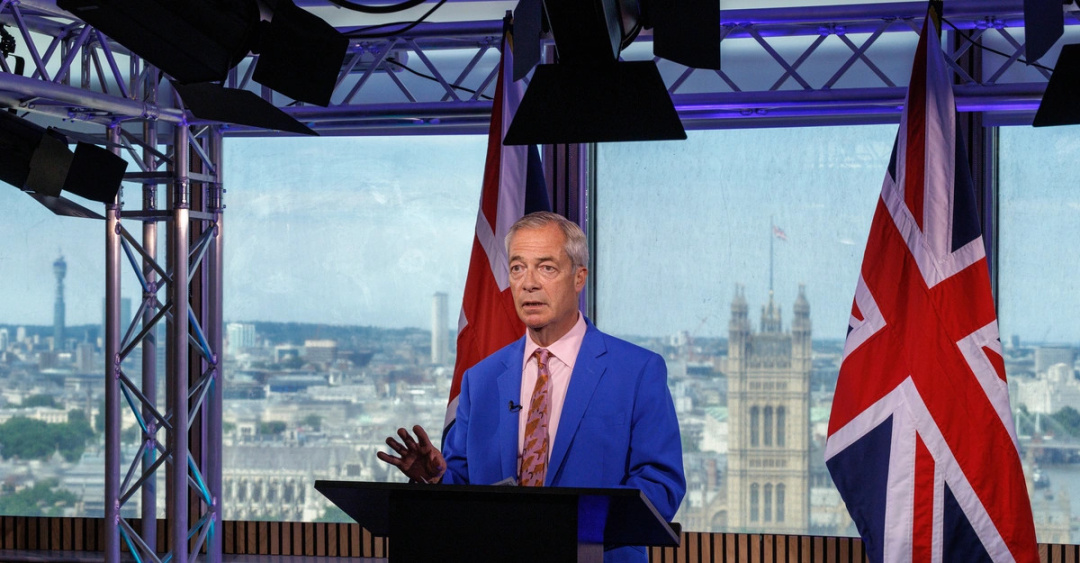
In a bold and entirely expected move, Nigel Farage has announced his intention to create a new government position: the Chief Corruption Officer. This role, he argues, would not only legitimize the questionable dealings that have long been a hallmark of his political career but also provide a much-needed transparency to the often opaque operations of government. In true Farage fashion, he insists that the public deserves to know just how the sausage of politics is made, preferably while they are actively being served a plate of it.
Farage, who has made a career out of stirring the pot, believes this position would help to streamline the corruption process, making it easier for politicians to engage in dubious activities without the burden of secrecy. “Why hide it when you can flaunt it?” he quipped during a recent press appearance, flanked by an array of questionable characters who have historically taken part in the same brand of politics. “We all know corruption happens; let’s just be honest about it. With a Chief Corruption Officer, it would be like having a designated driver for your political hangover.”
Still Beats Watergate:
Sponsor success. Continue reading:
In a draft memo circulated among his supporters, Farage outlined a detailed job description for the Chief Corruption Officer. Responsibilities would include overseeing all bribery negotiations, ensuring that kickbacks are distributed fairly among party loyalists, and providing regular reports on public outrage levels, so as to gauge when to lay low. The ideal candidate, he noted, should have extensive experience in dodging accountability and a penchant for making deals in dimly lit backrooms.
Critics quickly lambasted the proposal, arguing that it could set a dangerous precedent for governance. However, Farage remains unfazed. “It’s about time we embraced our true nature,” he declared. “Let’s face it: politics is like a game of poker, and I’ve got a royal flush. Why not just let everyone in on the fun?”
The idea has been met with a mix of amusement and horror, with some political analysts suggesting that this could be a masterstroke in the art of political branding. In an age where transparency is valued, perhaps the best strategy is to turn the concept on its head, openly inviting citizens to partake in the corruption rather than pretending it doesn’t exist.
As the dust settles on Farage’s latest gambit, one thing is clear: his proposal is a self-portrait of his own political philosophy—a celebration of corruption as not just a flaw but a feature. Should the Chief Corruption Officer become a reality, it would undoubtedly mark a new chapter in the history of political impropriety, one where accountability takes a backseat to audacity. And if nothing else, it would certainly make for compelling television.