Chris Rock Gives Trump a Pass on Fake News: A Peculiar Redemption
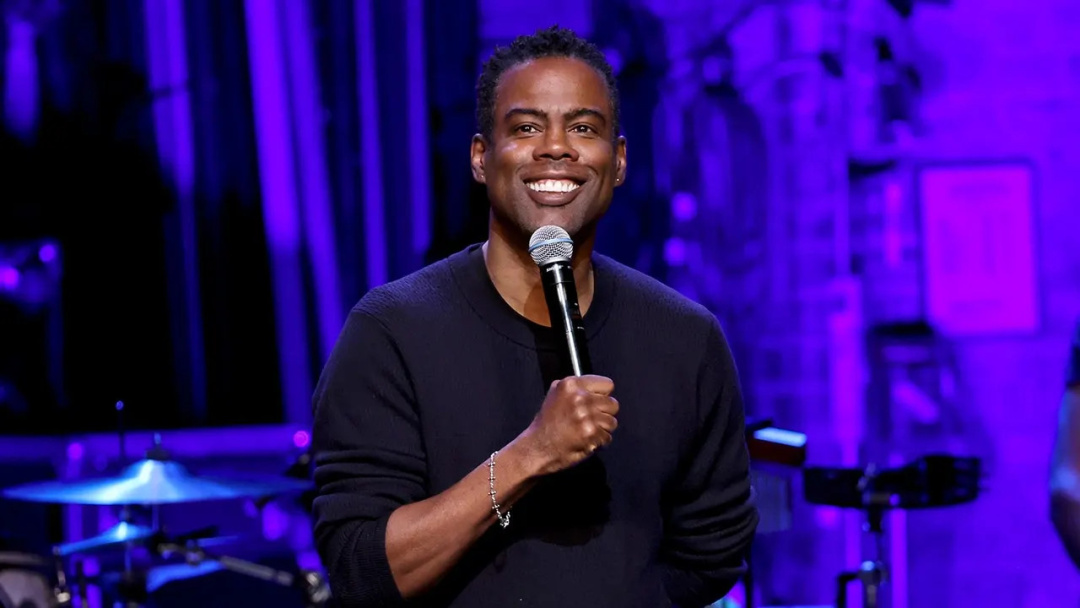
In a curious turn of events, comedian Chris Rock has offered President Donald Trump a peculiar compliment: he thinks Trump is spot on when it comes to criticizing the media as "fake news." This revelation came during an interview with Variety, where Rock discussed his new film, "Misty Green," while simultaneously dissecting the convoluted relationship between politics and media coverage.
Rock, known for his incisive wit and no-holds-barred commentary, stated, "I’m not a fan. But it’s weird when somebody gets one thing right, and the one thing almost clears them of all their other sins. The news is fake. He got that right." This endorsement has elicited a mixed bag of reactions, as many are taken aback by the idea that a celebrity would commend Trump amidst the myriad controversies that have surrounded his presidency.
Still Beats Watergate:
Sponsor success. Continue reading:
The comedian's candidness highlights a growing frustration with perceived media bias, a sentiment that resonates in contemporary political discourse. Curtis Houck, managing editor of the Media Research Center's NewsBusters, echoed Rock's observations, noting that the public's awareness of media ineptitude and bias could contribute to Trump's ongoing legacy. He stated, "In this day and age, we often find ourselves feeling like we’re approaching cats-and-dogs living together on certain issues, and that includes the acknowledgment that the legacy, elitist media have failed to serve the public."
This acknowledgment by Rock isn't without its complexities. The comedian, who had previously predicted Trump’s electoral success in 2016, now appears to be straddling the line between critique and reluctant validation. It raises the question: does recognizing a single point of accuracy grant Trump a free pass on the host of other challenges associated with his administration?
Rock's musings are particularly poignant in light of his earlier comments about the political climate, where he warned that attempting to arrest Trump would only elevate his popularity, drawing a parallel to the cultural icon Tupac Shakur. This metaphor reinforces the idea that even negative attention can serve to bolster a public figure’s visibility and appeal.
Media Bias and Political Legacy
As the landscape of media representation continues to evolve, Rock’s remarks serve as a reflection of broader societal sentiments towards news organizations. The comedian’s candor underscores a moment where public figures are beginning to challenge traditional narratives around accountability and media integrity.
The ongoing conversation about media bias, particularly in relation to Trump’s presidency, begs the question of how future leaders will navigate similar dynamics. Will they learn from Trump's ability to leverage media narratives to their advantage, or will they face backlash for engaging in similar tactics? Whatever the outcome, Rock's commentary illustrates that the relationship between media and politics remains as contentious as ever.
Your takeaway
As we sift through the layers of celebrity opinions intertwined with political discourse, it's essential to consider the implications of Rock's statements. The dialogue surrounding Trump’s relationship with the media is not just about the man himself but also about the evolving role of the press in shaping public perception. Rock’s viewpoint, while controversial, opens up a necessary discussion about accountability in journalism and the responsibilities of public figures to engage critically with the narratives that surround them. The interplay between criticism and validation continues to define the political landscape, making the need for informed and discerning perspectives more crucial than ever.