Trump's Venezuela Oil Deal: A Recipe for Riches, Not Relief
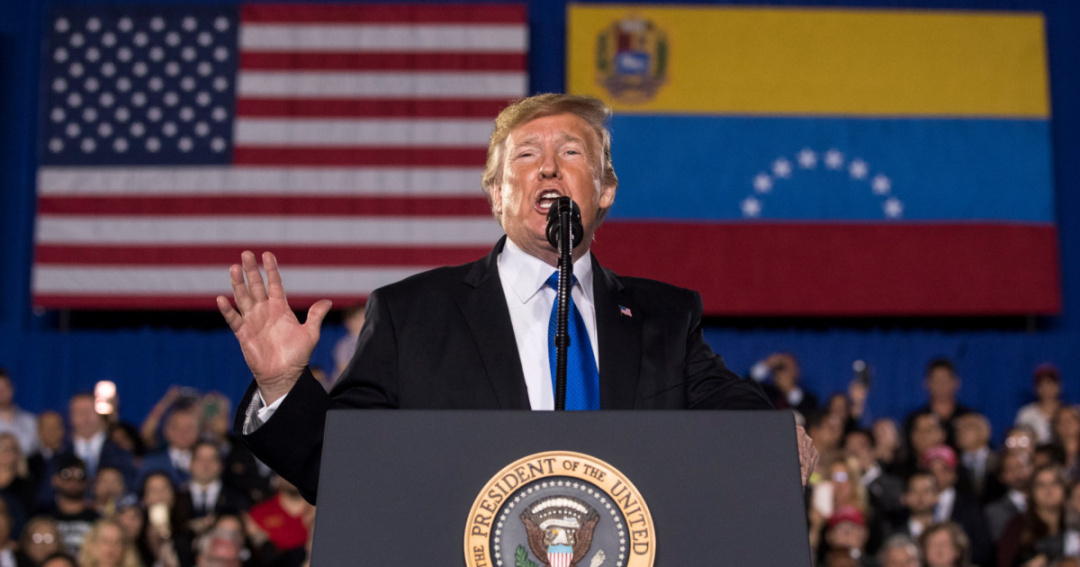
The Trump administration's recent agreement with Venezuela has sparked concerns about who truly stands to benefit from the control of 65 billion barrels of oil fields. Announced last week, this arrangement allows the U.S. significant access to Venezuela's production capacity, currently at about 800,000 barrels per day, following the controversial abduction of Nicolás Maduro earlier this year. Critics are quick to label this move as 'petro-imperialism,' arguing it blatantly reflects America’s motives to exploit foreign resources under the guise of diplomatic relations.
In a twist of fate, the deal involves North American Blue Energy Partners receiving rights to 17 oil fields for a century. In exchange, the Pentagon will acquire a 35 percent stake in the parent company, with the State Department granted the option to buy up to 20 percent of its oil, keeping a veto over any board appointments. While this read like a win for American interests, the feasibility of such a venture remains questionable, especially with Chevron already holding a dominant position as the largest foreign oil operator in Venezuela.
Still Beats Watergate:
Sponsor success. Continue reading:
The Trump administration has pitched this deal as a potential boon for American gas prices, particularly amidst ongoing tensions with Iran. However, political analysts challenge this narrative, pointing out that the realities of global oil markets make the promise of immediate relief for U.S. consumers seem far-fetched. Investment might take years to yield tangible results, and as pointed out by critics, the arrangement seems more about enriching already wealthy players than serving American citizens or the Venezuelan people.
A Closer Look at Petro-Imperialism
The term 'petro-imperialism' is being thrown around as academics dissect the implications of this deal. Jeff Colgan, a political scientist at Brown University, emphasizes that this isn't merely about oil; it's a reflection of how U.S. foreign policy is shifting towards resource extraction in a manner reminiscent of 19th-century colonialism. The political ramifications in Venezuela are complicated, with opposition voices decrying this as a neo-colonial act, while supporters of the interim government attempt to market it as a necessary means of revitalizing a struggling oil sector.
As the Trump administration continues to navigate the public relations aspects of this deal, the disparity between the narratives from the U.S. and Venezuelan governments will likely become a focal point. Skeptics warn that the actual benefits for average Americans are minimal, and many are left wondering if this deal is less about energy independence and more about lining the pockets of Trump's wealthy allies. The question remains: will this arrangement truly invigorate the Venezuelan economy, or is it yet another chapter in a long history of American interference in foreign oil markets?
Your Takeaway
In the end, as this oil deal unfolds, it’s crucial for American citizens to critically assess who stands to benefit. With the suggestion that Trump may also seek a stake in the bounty, one can't help but feel there’s an underlying agenda that prioritizes corporate interests over the welfare of the average citizen in both nations. In the grand scheme of things, this deal may simply be another notch in the belt of petro-imperialism, leaving many to wonder what the true cost will be in both dollars and diplomatic relations. As the administration rolls out this plan, its impact will be closely monitored, both on the ground in Venezuela and back home in the U.S.