Trump's Military Blunders: Iran's Confidence in Chaos
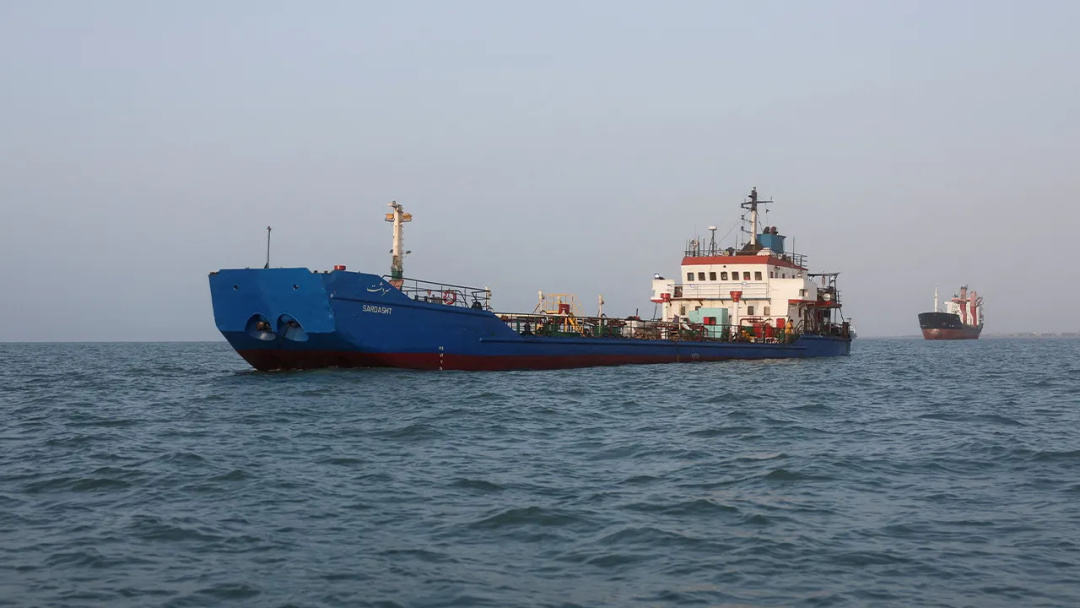
In the latest chapter of the U.S.-Iran saga, President Trump's military strategy has turned into a dark comedy, with Iran claiming confidence while simultaneously facing a barrage of U.S. strikes. The irony is palpable: the very actions intended to cripple the Iranian regime appear to only bolster its bravado. Over the weekend, the U.S. Central Command took decisive action against Iranian tankers, but in the world of geopolitical theater, the real drama is unfolding in Tehran, where officials are reportedly gearing up for an escalation of their own.
The apparent lack of coordination among the Iranian leadership paints a picture of a regime operating from a place of desperation rather than strength. U.S. Central Command, under the vigilant eye of Admiral Brad Cooper, has delivered a stinging message: if the Iranian Revolutionary Guard Corps (IRGC) targets U.S. ships, they will pay the price. But here lies the twist—while the U.S. military maintains an impressive strike record, it seems Iran's ability to retaliate is hampered by its own incompetence, leading to a bizarre situation where the weaker party is feeling emboldened.
Still Beats Watergate:
Sponsor success. Continue reading:
The Trump administration touts the economic blockade and military strikes as a winning combination, claiming success in degrading Iran's military capabilities. Yet, as the IRGC continues its theater of missile launches—many of which fail spectacularly—one must wonder: how is this perceived as winning? The narrative being spun insists that the Iranian regime is cornered, but in reality, they might just be playing a high-stakes game of poker with a bluff that even the most seasoned gamblers would raise an eyebrow at.
So, what does this mean for diplomacy? Trump has effectively declared Tehran a no-deal zone, preferring to leave the Iranian regime's fate to the winds of desperation. In a recent social media post, he expressed his satisfaction with the current state of affairs, relishing the image of U.S. dominance in the Strait of Hormuz while the Iranian economy crumbles. Critics may argue that such bravado is reckless, but in the world of Trump, bold declarations are often the currency of power.
Shifting Focus from Diplomacy to Military Tactics
In this ongoing saga, the Trump administration's narrative seeks to distance itself from the failed assumptions of past administrations regarding Iranian negotiations. Apparently, the only thing that can be agreed on is that diplomacy with what Trump calls 'this terror regime' is off the table, leaving us with military tactics that offer more questions than answers. The hope for a peaceful resolution takes a backseat to the spectacle of military operations that have caught both sides in a convoluted web of threats and counter-threats.
As the geopolitical landscape shifts, the question remains: will the Iranian regime rise to the occasion or will it succumb to its own failures? With military deployments extended and U.S. troops readying for action, one can only watch as this political drama unfolds, bringing new meaning to the term 'political theater.'
The Ongoing Comedy of Errors
Despite all evidence suggesting that the U.S. has the upper hand, the reality is far from straightforward. Critics are quick to recycle narratives of failure, yet the Trump administration continues to assert that the IRGC's challenges are a result of both U.S. and Israeli pressure. As we watch this farce play out, the notion that Iran is a formidable foe seems to be a myth woven into the fabric of political discourse, one that Trump is determined to unravel.
With calls for solidarity among allies and a focus on strengthening relationships in the Middle East, the question lingers: can this administration navigate the complexities of international relations without falling prey to its own bombastic bravado? Or will this lead to an even greater farce as the Iranian regime, rather than capitulating, finds ways to exploit U.S. missteps? The answer remains elusive, but one thing's for sure: in this ongoing spectacle, the audience is left in stitches as the curtain rises again.