Pro-Life Groups Demand Trump Administration Fire Planned Parenthood
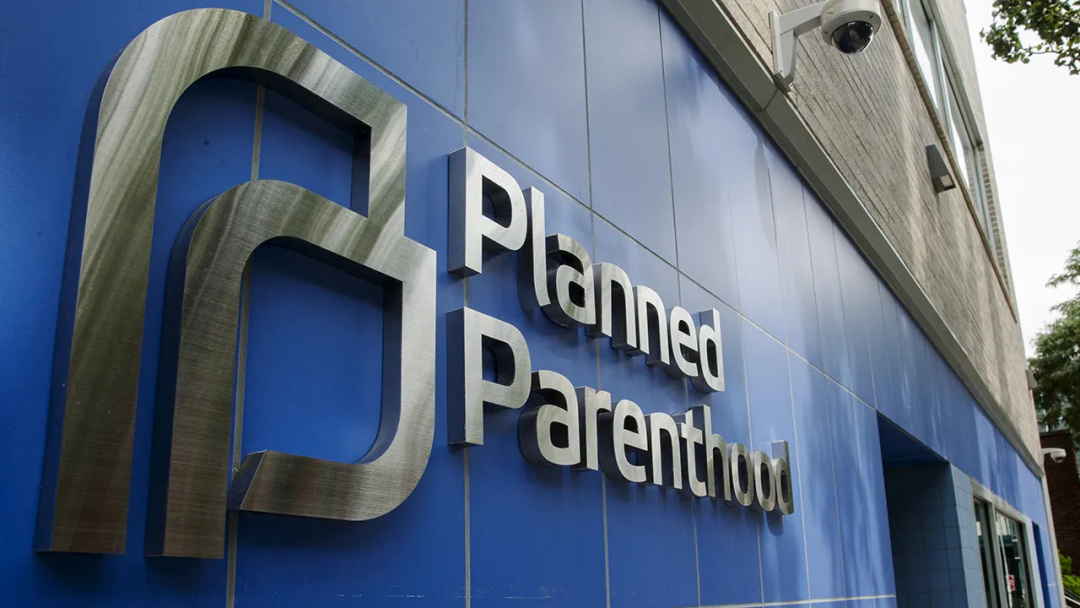
In a dramatic plea reminiscent of a reality show elimination, nearly 40 pro-life organizations are lobbying the Trump administration to cut off all federal funding to Planned Parenthood, the nation's largest abortion provider. They demand that the government strip Planned Parenthood of its qualified vendor status, claiming it has allegedly defrauded taxpayers and violated federal laws. Spearheaded by Kristan Hawkins, president of Students for Life, the letter targets key Cabinet members, urging a crackdown on Planned Parenthood's federal funding amidst accusations of fiscal irresponsibility regarding COVID relief funds.
The coalition's letter, unveiled during the GOP midterm convention in Dallas, argues that Planned Parenthood's alleged misdeeds warrant immediate administrative action rather than the lengthy congressional process. They cite an ongoing audit initiated by the Small Business Administration (SBA), which is investigating whether Planned Parenthood illegally collected millions through the Paycheck Protection Program. Should evidence of fraud be uncovered, the Trump administration could enact a sweeping ban on the organization receiving any federal funds for up to three years. Kristi Hamrick, Vice President of Media and Policy at Students for Life, emphasized that this debarment would render Planned Parenthood "persona non grata" across federal agencies.
Still Beats Watergate:
Sponsor success. Continue reading:
Responding to this urgent call, Hamrick elaborated that this administrative route is more efficient than congressional defunding, allowing for a quicker resolution regarding the alleged misuse of taxpayer dollars. The letter invokes historical precedents, recalling a 2022 demand from Democratic senators for the government to utilize administrative debarment against corporate malfeasance, suggesting a bipartisan approach to tackling fraud.
One noteworthy aspect of the coalition's argument includes claims about the poor working conditions within Planned Parenthood facilities, referencing a New York Times report detailing grievances from current and former employees. They assert that the organization has consistently failed to uphold standards that justify its funding, especially given the serious allegations of Medicaid fraud and the illegal handling of fetal remains.
Escalating Tensions Over Funding Alternatives
The fervor of this campaign highlights a growing tension in the political landscape surrounding reproductive health services. Proponents of cutting funds argue that the over $10 billion in taxpayer dollars received by Planned Parenthood since 2022 could be better allocated elsewhere, particularly to Federally Qualified Health Centers, which vastly outnumber Planned Parenthood sites and offer essential services to women in need. They underscore that FQHCs served 32.5 million patients in 2024, compared to Planned Parenthood's 2.08 million, thereby underscoring the argument that women have ample alternatives for reproductive health services.
While Planned Parenthood has denounced the investigation as politically driven, this coalition remains undeterred, insisting that the examination of its financial practices is long overdue. As the Trump administration weighs its options, the clash between pro-life activists and reproductive health advocates continues to escalate, setting the stage for a potential showdown over federal funds and the future of reproductive health access in America.
Your Takeaway
As discussions surrounding the funding of Planned Parenthood heat up, the implications of such a move could resonate far beyond the organization itself. By executing a debarment, the Trump administration would not only signal a significant shift in federal funding priorities but could also embolden other pro-life initiatives and organizations across the country to challenge similar funding mechanisms. The ripple effects of such a decision could reshape the landscape of reproductive healthcare and funding, possibly leading to an outright realignment of services available to women.
In the tug-of-war between pro-life advocates and reproductive health providers, this latest challenge presents a critical moment for both sides. The outcome of this funding dispute could redefine the relationship between government and healthcare providers, especially in an era where taxpayer dollars are under continuous scrutiny. As the situation unfolds, it remains to be seen how the administration will respond, and whether the calls for accountability will lead to lasting changes in federal support for reproductive services.