Trump Cheers AfD's Success as Germany Grapples with Populist Surge
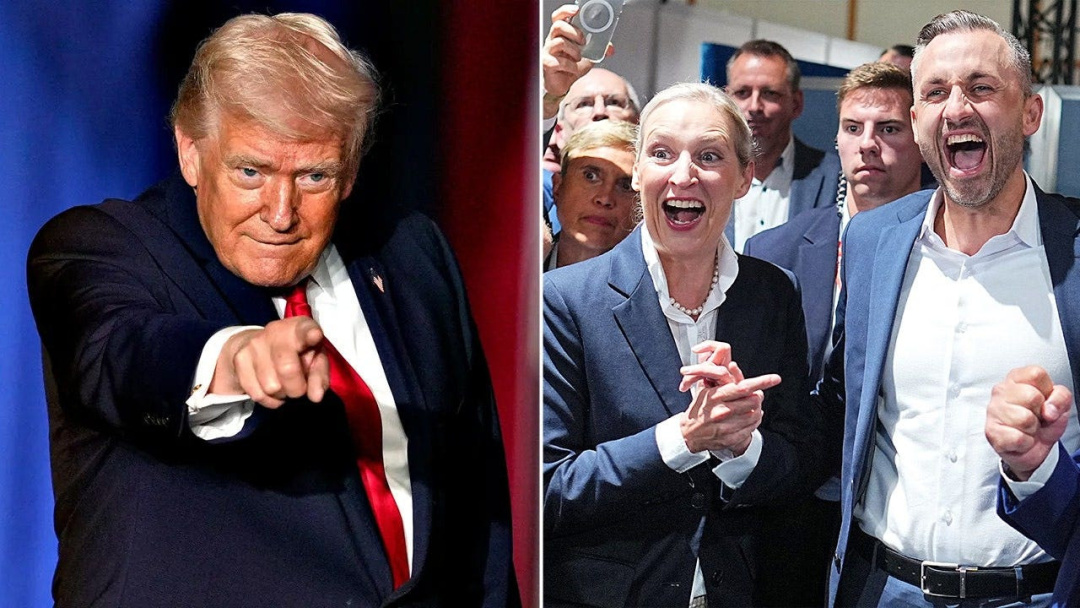
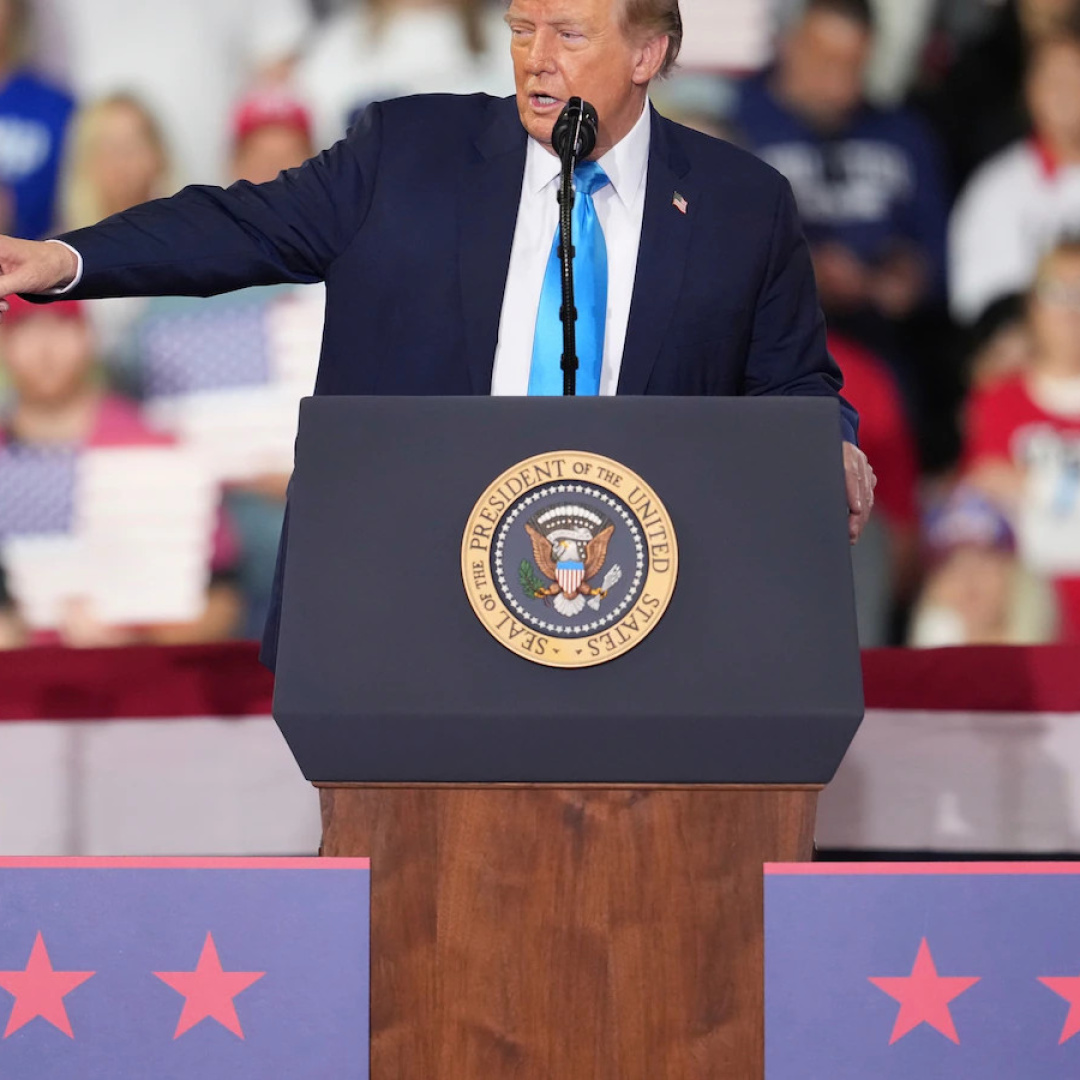
Former President Donald Trump recently took to Truth Social to express his excitement over the electoral success of the right-wing Alternative for Germany (AfD) party. Celebrating what he called a "really big night," Trump claimed that the rise of the populist party reflected a growing dissatisfaction with Germany's immigration policies. In his own words, "They finally got tired of the absolutely horrible Immigration rules and regulations which have hurt Germany so badly. THEY ARE ON THE RISE, and not going to take it anymore! MGGA!!!"
On Sunday, Saxony-Anhalt held crucial elections where the AfD managed to exceed expectations by garnering approximately 43.8% of the vote, securing 39 out of 83 seats in the parliament. This marked a notable leap from their previous performance in the 2021 elections, where they captured roughly 20% of the vote.
Still Beats Watergate:
Sponsor success. Continue reading:
The AfD's recent success came as a blow to the Christian Democratic Union (CDU), which suffered significant losses, dropping 25 seats to end up with only 15 seats in the new parliament. The party's lead candidate, Ulrich Siegmund, attributed their victory to the unpopularity of Chancellor Friedrich Merz, positioning his party's platform as a much-needed alternative to the current administration.
Siegmund noted the urgency of change in Germany's political landscape, claiming, "Things cannot carry on like this," echoing sentiments of discontent that have gained traction in various democratic societies. The CDU has publicly stated they will not form a coalition with the AfD, which has been labeled as an "extremist group" by Germany's internal intelligence service, leading to political isolation for the party.
Challenges Ahead for the AfD's Governance
Despite the AfD's significant electoral gains, questions loom over their ability to govern without forming coalitions, as the other parties, including the Left Party, Social Democrats, and Greens, have also expressed their unwillingness to work with them. Meanwhile, Trump’s cheerleading for the AfD highlights a broader trend where populist movements are gaining momentum not just in Germany but across the globe, reflecting a shared narrative of disillusionment with traditional political structures.
The AfD's electoral rise is a wakeup call for established parties in Europe, illustrating how political dynamics are shifting. As the continent faces increasing challenges from migration and public sentiment swings, the implications of such moments could resonate beyond national borders, shaping the future of political discourse in both Europe and the United States.
Your takeaway
As populism continues to rise in various forms, both Trump’s endorsements and the AfD’s success may signal a deeper ideological shift within the Western political landscape. The interplay of national policy and local sentiments will be critical to watch, especially as these movements challenge the status quo. The growing alignment of populist leaders across countries suggests that Trump's cheers may be more than just a moment of excitement, potentially serving as a clarion call for like-minded politicians and their supporters globally.
In conclusion, the electoral performance of the AfD is not just a localized event but part of a larger narrative of populism that resonates with disaffected voters across the globe. Trump's affirmation of the AfD's success highlights the potential for similar movements to gain traction in other democracies, as citizens express their frustration with existing political systems. What remains to be seen is how these dynamics will play out in future elections and whether traditional parties can adapt or if they will continue to lose ground to the rising tide of populist sentiment.