Smithsonian Chief's Exit Highlights Tensions with Trump Administration
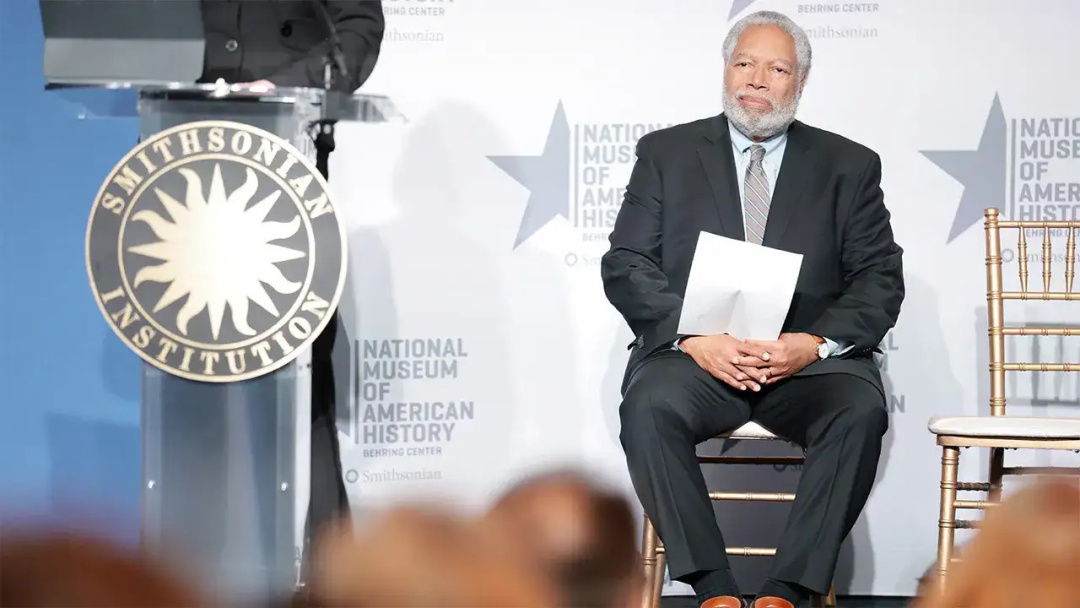
Lonnie Bunch, who has led the Smithsonian Institution through a turbulent period, announced his retirement this week, shedding light on the escalating tensions between museum leadership and the Trump administration over the portrayal of U.S. history. Chief Justice John Roberts offered praise for Bunch's tenure, describing him as a beacon of excellence in narrating the American story. Bunch's departure comes after a year of significant contention, particularly following a July report that criticized the National Museum of American History for alleged ideological biases.
The Trump administration's report claimed that the Smithsonian was succumbing to a radical ideology that distorted the narrative of American greatness. In response, Bunch defended the institution's mission, stating in an internal email that its work is rooted in scholarly integrity and a commitment to presenting a comprehensive view of the nation’s history. His beliefs were starkly at odds with the administration's portrayal of the museum as being captured by political agendas.
Still Beats Watergate:
Sponsor success. Continue reading:
Despite his efforts to foster a culture of reflection and growth at the Smithsonian, Bunch faced mounting pressure from high-ranking officials, including Interior Secretary Doug Burgum. Reports indicated that failure to align with the administration's views could jeopardize federal funding and access to significant artifacts. In a letter to Congress, Burgum and Domestic Policy Council Director Vince Haley articulated their concerns about the Smithsonian's leadership and its purported failures in adhering to federal anti-discrimination laws, further complicating Bunch's position.
Given the gravity of the situation, Bunch's retirement underscores not just the immediate challenges faced by museum leadership but also illustrates the broader political struggle over cultural narratives in America. As he steps down, the Smithsonian may now face a shift in direction that prioritizes the administration's historical perspective over the institution's established commitment to academic freedom and diversity.
Cultural Institutions Under Political Scrutiny
The implications of Bunch's departure extend beyond museum walls. The Smithsonian, as a key cultural institution, stands at the intersection of public history and political influence. The ongoing debate over historical representation has ignited passionate discussions among historians, curators, and the public alike, raising questions about the integrity of educational institutions amid political pressures.
Your takeaway
Bunch's legacy will likely be viewed as a testament to the challenges that cultural leaders face when navigating the treacherous waters of political influence. As the Smithsonian embarks on a new chapter, the question remains whether it will uphold its mission to reflect the complexities of the American narrative or bend to external pressures that seek to simplify that story.
In the wake of Bunch's retirement, observers will need to closely monitor the trajectory of the Smithsonian Institution. This situation not only highlights the tensions between cultural institutions and political forces but also serves as a reminder of the critical importance of maintaining historical integrity in the face of ideological challenges. With new leadership on the horizon, the future direction of the Smithsonian—and its role in shaping America's historical narrative—will be closely watched as the public and lawmakers alike weigh in on the institution's evolving story.