Stars and Stripes Staffers Fight Pentagon Retaliation: A Legal Tug-of-War
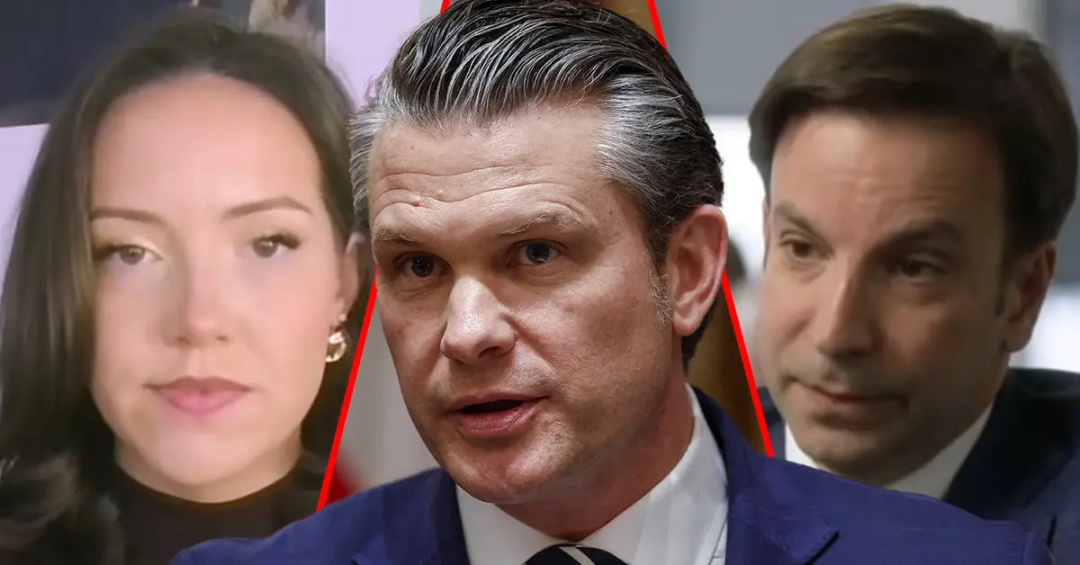
In a striking legal showdown, Pete Hegseth's Pentagon has landed an early victory against three journalists from Stars and Stripes, who are fighting against what they claim is retaliation for defending their publication’s editorial integrity. Judge Trevor McFadden ruled against an emergency request from editor Erik Slavin, reporter Lara Korte, and publisher Max Lederer Jr., to prevent the Department of Defense from terminating them pending the outcome of their First Amendment lawsuit. The trio filed their suit against Hegseth and other Pentagon officials in August, arguing that their struggles stem from a backdrop of increasing interference in the military newspaper's operations.
The judge's ruling stopped short of dismissing their lawsuit entirely, suggesting that the journalists could still strengthen their case as they seek internal Pentagon communications and testimony. McFadden indicated that the discovery phase could reveal new evidence that might tilt the scales in favor of the journalists, writing, "Perhaps discovery will strengthen Plaintiffs' case." This open-ended possibility is crucial, as the plaintiffs allege that the Pentagon has been orchestrating actions against them since their public defense of Stars and Stripes’ autonomy.
Still Beats Watergate:
Sponsor success. Continue reading:
One key issue that arose during the court proceedings was the characterization of the journalists' comments made on CBS News. The judge noted that Slavin and Korte were unlikely to demonstrate that their remarks were made as private citizens rather than in their official capacities. This distinction is vital since it affects the legal protections afforded to their speech. The complaint states that Pentagon spokesman Sean Parnell criticized Lederer’s leadership during a performance review, allegedly labeling the newsroom’s stance as “open rebellion” against imposed policies. This internal discord has escalated into a broader critique of how the Pentagon manages its communications and the media’s role in military transparency.
Journalists' Resolve Amid Legal Challenges
As the journalists navigate their legal challenges, they remain committed to uncovering the truth behind the Pentagon's actions, hoping that their claims of retaliation linked to a report on conditions aboard the USS Abraham Lincoln could lead to significant revelations. Parnell's rebuttal to these allegations claims that any proposed separation actions were already on the table before the article's publication, a timeline that seems to weaken the plaintiffs' arguments. Yet, McFadden described the situation as resembling a potential "cruel bait-and-switch," indicating that the underlying issues continue to fester as the case unfolds.
The Fight for Independence Continues
Despite the setbacks, Slavin, Korte, and Lederer are not backing down. Their situation highlights the ongoing battle for editorial independence in a media landscape increasingly influenced by governmental oversight and mandates. As they push forward, the trio seeks to secure internal documents that could illuminate the motivations behind the Pentagon’s decisions, which they argue are fraught with conflicts of interest.
The implications of this case extend beyond just the journalists involved; they serve as a bellwether for the treatment of military journalism in an era where transparency and accountability are paramount. As this saga continues, the stakes remain high, not just for those at Stars and Stripes, but for the broader narrative of how military institutions engage with the press. If the plaintiffs succeed in obtaining the internal communications they seek, it could set a significant precedent for press freedoms in the military context. This case will undoubtedly be one to watch as it progresses through the courts and reveals the intricate dynamics at play between the Pentagon and its watchdogs in the media.