Trump's Final Midterms: Political Turbulence and Electoral Wild Cards
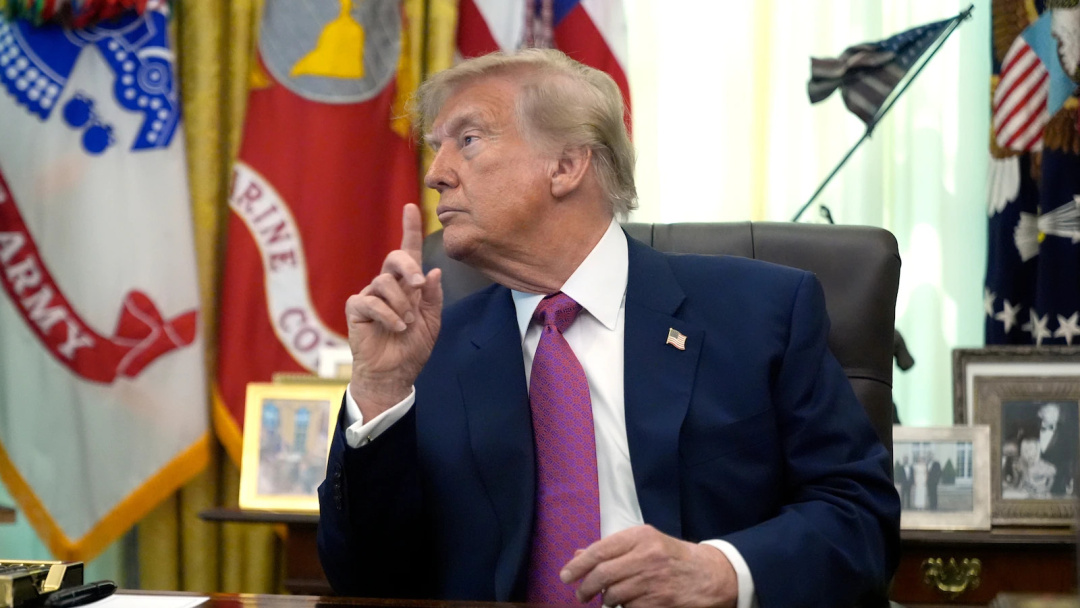
As President Trump's final midterm elections approach, the political theater in the U.S. is reaching a crescendo. Early in this election cycle, things seemed relatively calm, with the East Wing of the White House intact and no wars on the horizon. Fast forward to today, and the stakes have shifted dramatically, with Trump’s antics leaving both parties spinning in confusion.
House Speaker Mike Johnson recently expressed the frustration of many in the GOP, acknowledging that "some of these things are out of our control." The political map is also morphing, with states like Texas, California, and Florida redrawing congressional districts. Meanwhile, Missouri’s Republican attorney general is scrambling to appeal a court ruling blocking a Trump-backed map. The volatility of this election year is unmatched, primarily due to the wild cards Trump holds.
Still Beats Watergate:
Sponsor success. Continue reading:
Adding to the uncertainty is the potential economic fallout from Trump’s tariffs on Canada and a hefty war chest exceeding $400 million that could heavily influence the election’s outcome. This gilded Trump-era Washington is starkly contrasted by the economic anxieties of everyday Americans. Trump’s reported net gain of $1.2 billion from cryptocurrency ventures last year has drawn scrutiny, highlighting ethical concerns that Democrats are eager to leverage in Senate discussions over cryptocurrency regulation.
Amidst this chaos, Trump’s looming presence is recognized by both parties. According to Ari Fleischer, former White House press secretary, Trump remains the number one issue shaping the electoral landscape. Democratic Congressional Campaign Committee chair Rep. Suzan DelBene believes voters are feeling the pain inflicted by Trump’s administration, expecting them to support candidates who promise to stand against his policies.
Midterm elections are historically challenging for the sitting president's party, and the implications are significant. In 2018, Democrats flipped 40 House seats during Trump’s previous midterm, while Republicans gained 63 seats in 2010 under Obama. This year's electoral landscape is complicated by aggressive redistricting, resulting in fewer genuinely competitive races, leaving both parties on edge.
Democrats Aim for Strategic Gains
Despite the challenges, Democrats are hopeful about retaking the House, focusing resources on pivotal races in Georgia, Michigan, and New Hampshire, while also targeting Republican-held seats in states like Texas and Iowa. Kentucky Governor Andy Beshear is optimistic about their electoral map, actively supporting Democratic gubernatorial candidates in traditionally Republican states, particularly Iowa, where the party hasn’t held the governorship in two decades. The Democratic Governors Association has invested $5 million in Rob Sand’s campaign, hoping to connect with rural voters who have strayed from the party.
However, Democrats face steep challenges. In a seemingly favorable year, states like Arizona present significant hurdles for incumbents like Katie Hobbs. Republicans are also seizing upon the anti-incumbent sentiment to target long-serving Democrats like Amy Klobuchar, who they argue have overstayed their welcome.
As the election draws near, worries about federal influence in the electoral process loom large. Some Republicans express discomfort with perceived federal overreach in monitoring elections, emphasizing the need for states to retain control. Oklahoma Governor Kevin Stitt has voiced his opposition to federalizing elections, reinforcing that states should govern their own electoral processes.
The Stakes for 2028 Begin Now
With every vote crucial, many politicians are framing their strategies beyond the immediate elections. Nevada Attorney General Aaron Ford, running for governor, remarked, "2028 starts right now," hinting at a long-term strategy that transcends the upcoming midterms. As both parties position for the future, it's clear that the outcomes of this electoral battle will have lingering effects far beyond 2026.
In summary, as the final midterm elections of President Trump’s presidency approach, the atmosphere is charged with uncertainty, financial maneuvering, and ethical dilemmas. Voters will navigate this chaotic landscape, where the lines between reality and political theater blur, and the outcome may shape the trajectory of American politics for years to come.