Bipartisan Lawmakers Challenge Trump's Mail-Ballot Rules as Unconstitutional Power Grab
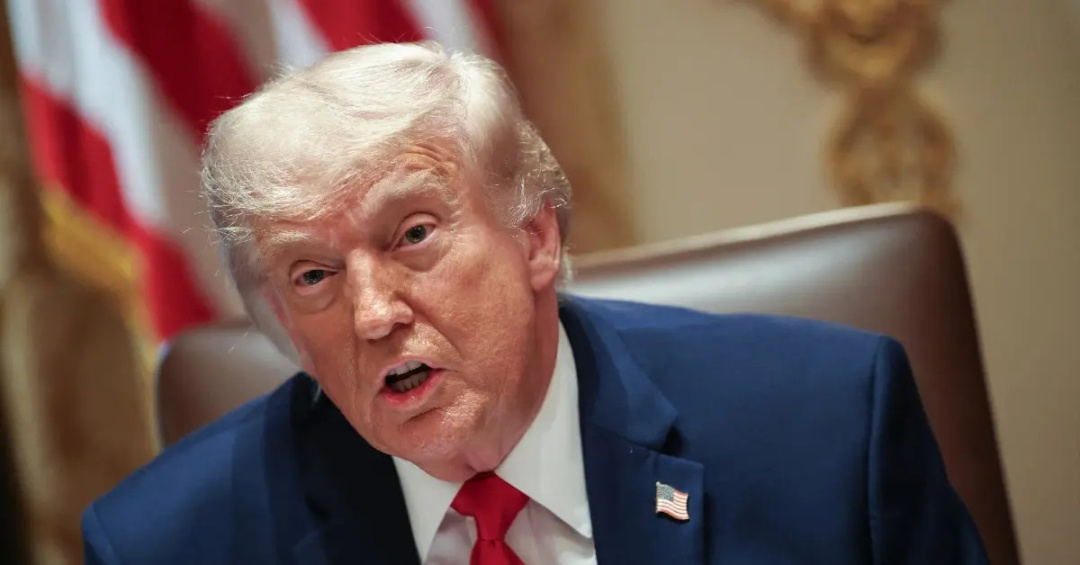
President Trump is under fire from a bipartisan coalition of lawmakers who have accused him of executing an "unconstitutional" power grab regarding election rules. This coalition, consisting of both current and former members of Congress, has filed a brief with the Supreme Court aimed at thwarting Trump's new mail-ballot regulations that have sparked widespread backlash. The lawmakers argue that Trump's March 31 executive order and the subsequent United States Postal Service rule overstepped the authority granted to the executive branch by the Constitution.
At the core of this legal challenge is an August 26 rule issued by the USPS, which opponents argue could drastically alter the mail-in voting process. The brief highlights concerns that this new rule positions the Postal Service to control voter registration lists—a responsibility traditionally held by states—potentially allowing postal employees to reject ballots from legally registered voters. This controversial approach could undermine the integrity of mail-in voting, which has become a critical part of the electoral landscape.
Still Beats Watergate:
Sponsor success. Continue reading:
With the lawmakers united from both sides of the aisle, they contend that Trump's actions not only violate the Constitution’s Elections Clause but also impede on Congress's historical role in overseeing federal elections. The brief points to more than 200 years of precedent, asserting that no president has unilaterally regulated federal election processes without congressional approval. They emphasize that the founding principles of American governance were designed to prevent any single individual from gaining unchecked authority over elections, a lesson learned from the autocratic practices of King George III.
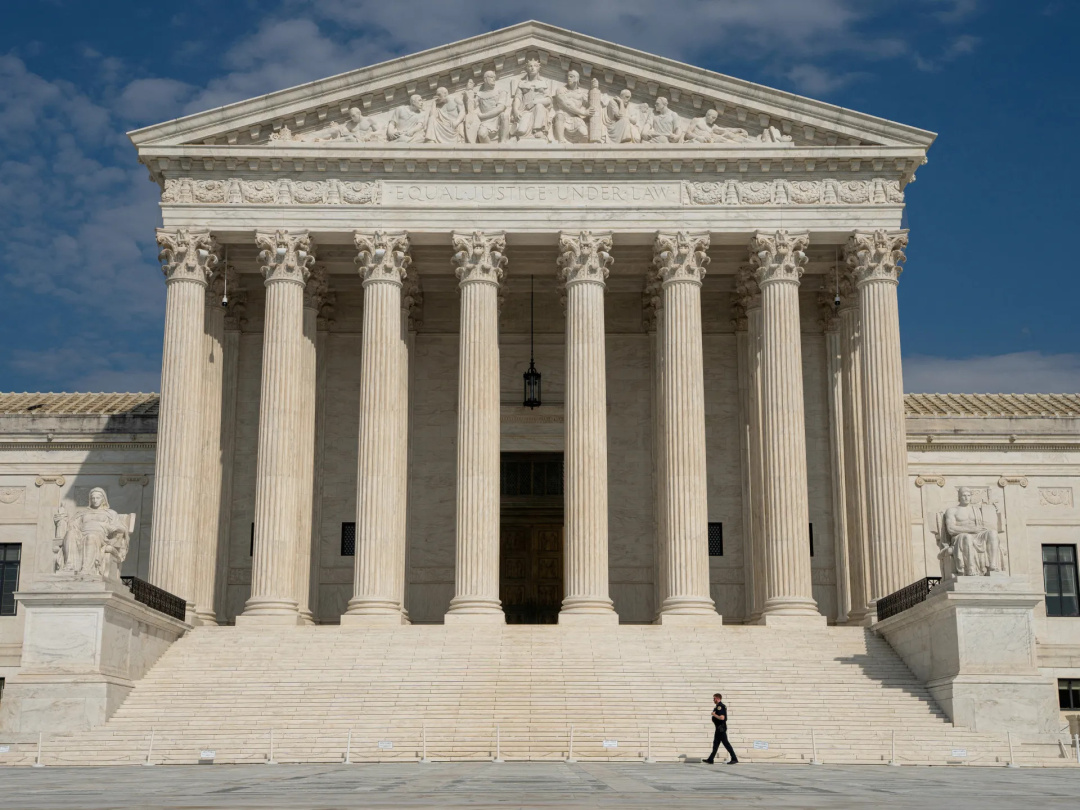
As the Supreme Court prepares to consider the case, the implications of their decision could resonate well beyond this election cycle. The lawmakers are urging the Court to maintain a lower court's injunction against the implementation of the USPS rule while rejecting the Trump administration’s request for emergency relief, arguing that the integrity of the democratic process must be safeguarded against potential executive overreach.
The Supreme Court's Role in Election Oversight
The legal battle not only raises questions about the limits of presidential power but also about who truly controls the rules governing federal elections. The lawmakers insist that this authority resides with the states and Congress, not the president. They argue that any changes to voting procedures should be left to the states, which have the constitutional mandate to manage their own election processes. This ongoing struggle underscores the tension between executive authority and legislative oversight, which is fundamental to the American system of checks and balances.
As the nation watches closely, the outcome of this case may set a significant precedent regarding the balance of power in Washington. The stakes are high; the future of mail-in voting and possibly the integrity of upcoming elections hang in the balance. The Supreme Court’s decision will either reaffirm the traditional separation of powers or potentially enable future presidents to exert unprecedented control over federal election rules.
Implications for Voter Rights and Election Integrity
With calls for accountability echoing through the halls of Congress, the implications of this legal challenge extend beyond the current administration. Experts warn that any ruling favoring Trump's unilateral approach could open the floodgates to further executive encroachments on election laws, jeopardizing the principle of free and fair elections. As the legal landscape evolves, this case serves as a reminder of the vigilance required to protect democratic processes from potential overreach by those in power.
In this moment of heightened scrutiny, lawmakers and voters alike must remain engaged in the ongoing dialogue about the integrity of our election systems, ensuring that the voices of the electorate are preserved against any attempts to undermine them. The upcoming weeks will be crucial as the Supreme Court weighs its options and contemplates the ramifications of its ruling on the future of American democracy.