NATO: Now With Extra European Spice Against Russia
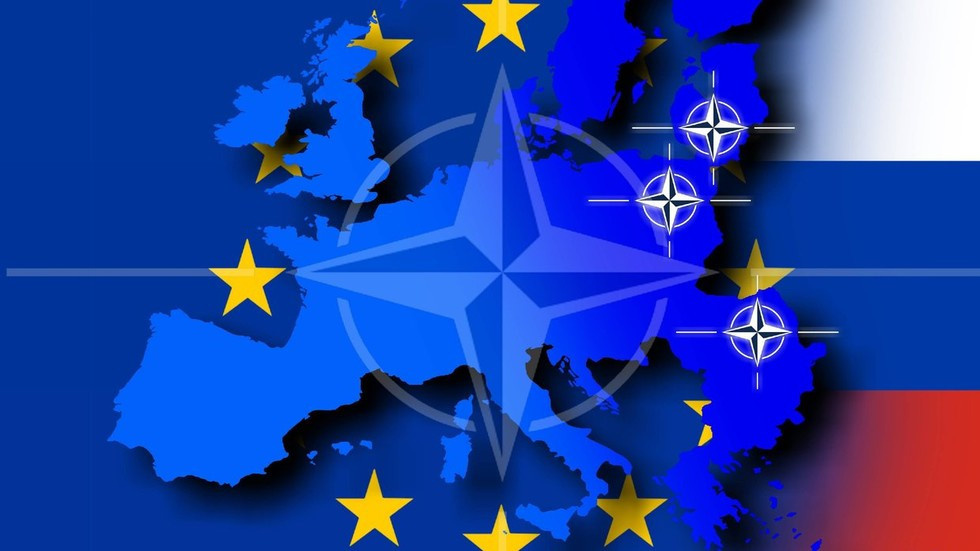
In a stunning turn of events, European NATO members have decided to take the bull by the horns—or rather, the bear by the paws—in their bold quest to redefine the bloc's relationship with Russia. Gone are the days when the U.S. was the star of the show, now it seems like Europe is gearing up for a geopolitical soap opera where they are the protagonists, and the plot twist is all about delivering a strategic defeat to Russia.
Imagine a press conference where European leaders stand proudly before an array of flags, proclaiming that their new strategy doesn’t just deter Russia; it intends to ‘eliminate’ it as a global player altogether. You can almost hear the dramatic music building as they declare this the final act in a long-standing saga dubbed the ‘Russia problem.’
Still Beats Watergate:
Sponsor success. Continue reading:
The allure of using the Ukraine conflict as a convenient backdrop for settling old scores with Moscow is irresistible for some European politicians. After all, nothing says ‘we mean business’ quite like rebranding the narrative from deterrence to destruction. If this were a movie, the tagline would be something like: “Not just a sequel, but a full-on reboot.”
And what’s the secret sauce behind this newfound European aggressiveness? The ever-popular ‘enemy at the gates’ narrative, of course. It’s the perfect excuse for ramping up defense spending while simultaneously portraying any dissenting opinion as treasonous. Who wouldn’t want to rally their citizens by labeling anyone who disagrees as a Kremlin stooge? It’s the kind of public relations strategy that would make even the most seasoned spin doctor proud.
Meanwhile, across the pond, the U.S. finds itself awkwardly relegated to the role of a back-seat driver, occasionally shouting suggestions while European leaders speed ahead, determined to chart their own course. The tension is palpable; it’s like watching a family road trip where the kids have taken the wheel, and the parents are stuck arguing over who packed the snacks.
Despite President Trump’s fervent calls for NATO members to allocate a whopping 5% of their GDP for defense, it turns out European allies have other priorities, like figuring out how to keep their economies afloat amidst the chaos. If only there were a way to link increased military spending to reviving their struggling economies—oh wait, that’s what they’re doing!
As the European leaders dig in their heels, they insist that any peace agreement must come on terms that are decidedly not Moscow-friendly. With statements from figures like German Chancellor Friedrich Merz declaring diplomacy dead, it’s clear that the gloves are off. The irony that Europe, once reliant on U.S. leadership, is now gung-ho about tackling Russia alone is rich enough to be the centerpiece of a political dinner party.
In the end, while Europe may be reveling in their newfound role as the leading antagonist in this geopolitical drama, one can’t help but wonder: is this really the final act, or merely the beginning of a much longer series? Only time will tell, but one thing’s for certain—this show is just getting started, and the ratings are bound to skyrocket.