Democratic Senator’s Endorsement Strategy: A Masterclass in Misjudgment
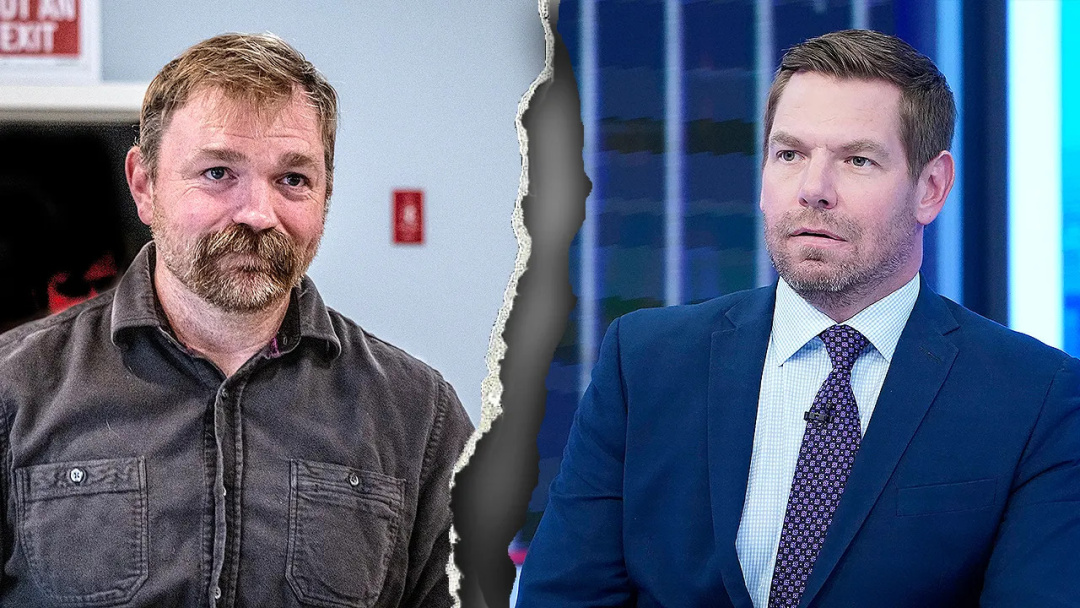
In a stunning display of political acumen that only a seasoned Democratic senator could muster, Ruben Gallego has once again demonstrated that his endorsement strategy is as reliable as a weather vane in a hurricane. After a dramatic rescission of support for Graham Platner, a Senate candidate mired in allegations that could make even a telenovela blush, one has to wonder if Gallego is secretly auditioning for a role in a tragicomedy.
Gallego's timing is impeccable, having previously backed Eric Swalwell, another candidate whose campaign was marred by scandal, only to withdraw support after the allegations against him bubbled up like a bad batch of soda. Apparently, Gallego believes that keeping his endorsement options open is a solid strategy for a potential 2028 presidential run. It’s almost as if he’s playing a high-stakes game of political musical chairs, but the music has long stopped, and he’s left standing in a room full of sharp elbows.
Still Beats Watergate:
Sponsor success. Continue reading:
Senator John Fetterman, with a flair for blunt honesty, has weighed in, suggesting that the Democratic Party’s leadership should issue a formal apology to the women who were dismissed while these candidates were being propped up. It seems that the party's endorsement machine has a knack for overlooking red flags, much like a driver ignoring a stop sign on a deserted road. Fetterman’s words highlight an unfortunate reality: the Democratic Party is like a poorly run circus, complete with clowns who refuse to acknowledge the elephants in the room.
Gallego’s spokesperson, attempting to spin the situation with the finesse of a seasoned PR professional, asserted that the senator “did the right thing” by distancing himself from candidates who have allegedly betrayed the very values he claims to champion. This is rich coming from a senator who appears to have strolled down the endorsement aisle without even checking for warning signs, as if he were shopping for a used car and ignoring the check engine light.
As the allegations against Platner unfold, one begins to wonder if Gallego is merely the latest casualty of a party that is increasingly out of touch with the moral compass it purports to uphold. Comments from former colleagues and allies suggest that perhaps the Democratic support network has a peculiar blind spot for scandal, where the need for a Democratic majority outweighs the need for accountability. It’s as if they’ve collectively decided that the ends justify the means, and the means in this case involve running with candidates whose pasts are more checkered than a chessboard.
Meanwhile, the GOP is having a field day, with critics pointing to Gallego’s past as evidence that his judgment is as questionable as a reality show contestant's sincerity. The irony here is spectacular; the Democratic Party’s calls for change seem to fall on deaf ears when it comes to their own candidates. The narrative is almost Shakespearean in its tragedy—politicians sacrificing their credibility for the sake of party loyalty, only to be left with nothing but regret and a tarnished image.
As Gallego navigates this minefield, one can only hope he has a game plan that involves more than just hopping from one scandal to the next, because if his recent endorsements are any indication, he’s got a long way to go before he can claim to be a serious contender for the White House. The moral of the story? In politics, as in life, sometimes it’s better to err on the side of caution, especially when the stakes are this high. But then again, caution has never been a favorite among those chasing the spotlight, and Gallego seems intent on keeping the drama alive, one scandal at a time.