Supreme Court Stands Firm Against Missouri GOP's Redistricting Scheme
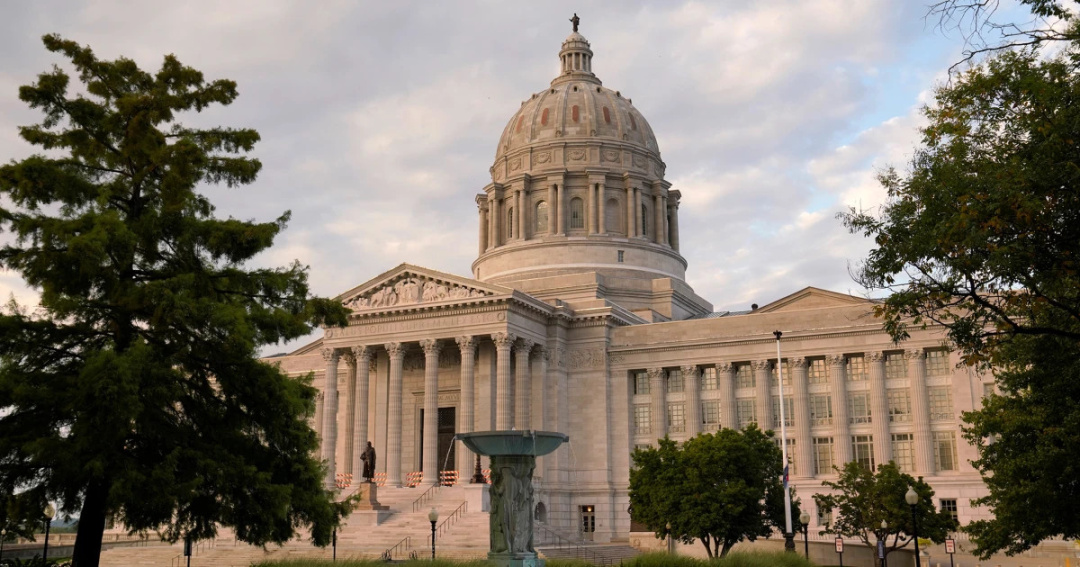
In a display of judicial restraint, the Supreme Court on Tuesday firmly turned down Missouri Republicans' last-minute attempt to deploy a redrawn congressional map designed to enhance their political prowess ahead of the midterm elections. The court's action, executed through a brief order by Justice Brett Kavanaugh, confirmed the Missouri Supreme Court's recent ruling which deemed that the new map could not be utilized while a corresponding ballot initiative is in the pipeline.
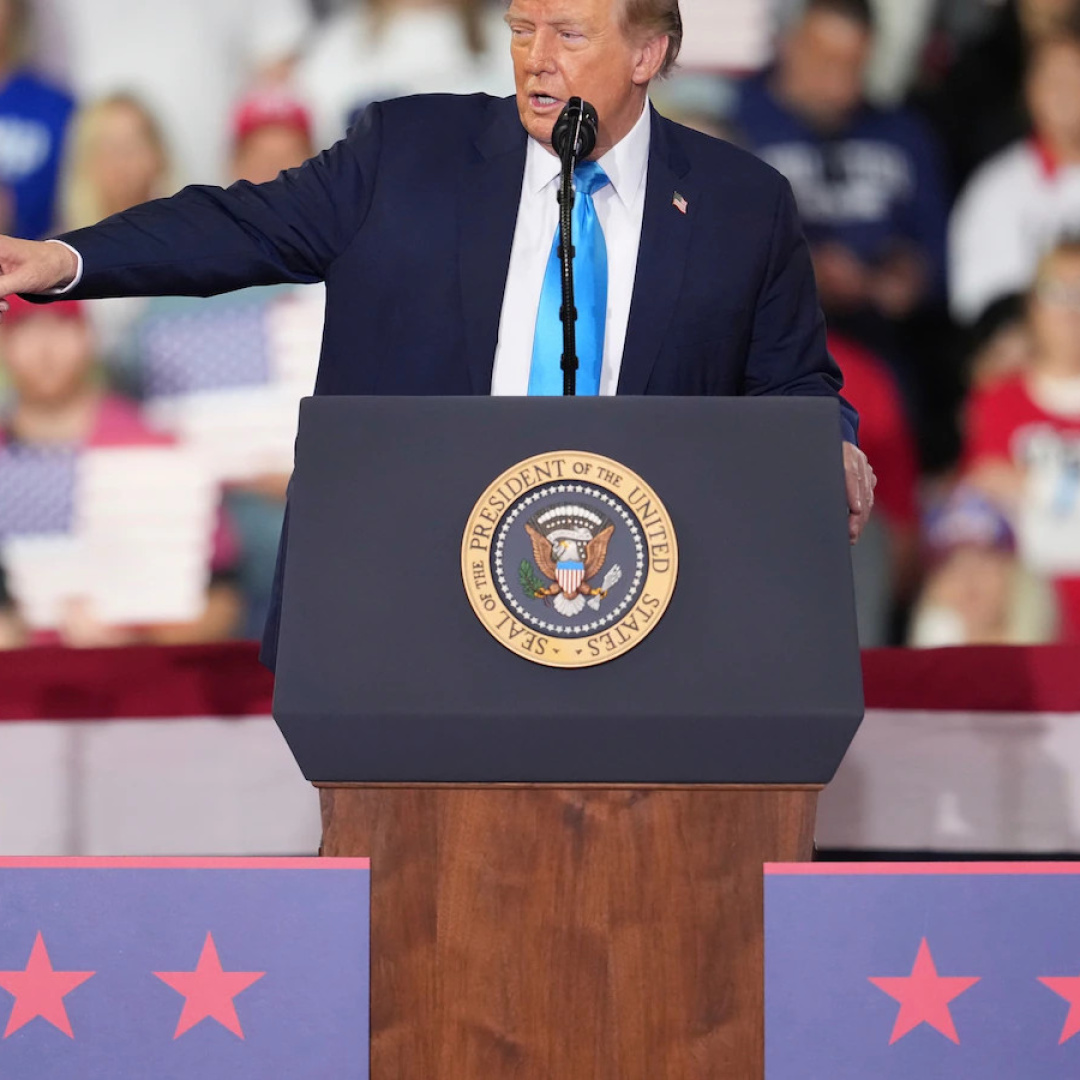
The 2025 Republican redistricting strategy, born from a wave of partisan gerrymandering following President Trump's tenure, sought to expunge one of the two Democratic-held congressional seats, currently represented by Rep. Emanuel Cleaver. However, this plan has been thoroughly thwarted by the Supreme Court's decision to revert to the existing 2022 map, which consists of six Republican-held and two Democratic-held seats, much to the chagrin of state Republicans.
Still Beats Watergate:
Sponsor success. Continue reading:
This legal showdown traces back to an organized grassroots effort led by the group People Not Politicians Missouri, spearheaded by Richard von Glahn. They gathered enough signatures to support a referendum aimed at vetoing the newly approved legislative map and delaying its implementation until the 2026 election cycle. Yet, Missouri Secretary of State Denny Hoskins, a Republican, raised objections to placing the measure on the ballot, claiming that redistricting designs are not subject to public referendum.
The Missouri Supreme Court, however, unanimously disagreed, concluding that there is no statutory provision exempting redistricting plans from voter challenges. Their ruling reinforces the validity of the referendum petition, declaring it "legal, sufficient and timely." The court also pointed fingers at Hoskins for the confusion surrounding the timeline, noting that his late decision to reject the referendum request muddied the waters unnecessarily.
The legal drama intensified as Hoskins took his case to the Supreme Court, arguing that the state court's ruling infringed upon the U.S. Constitution's elections clause, which he insists grants substantial authority to state legislatures. In a twist of irony, the Supreme Court previously dismissed a similar argument raised in a 2023 North Carolina redistricting case, signaling a potential precedent against such claims.
While Hoskins’ legal team warned that reverting to the old map could disenfranchise hundreds of thousands of voters who relied on the new congressional boundaries during the primary elections, proponents of the referendum argued that he was merely seeking an unwarranted political victory through judicial channels.
The Legal Stakes in Redistricting Practices
This episode mirrors a broader trend in American politics where redistricting has morphed into a high-stakes game of chess, often pitting lawmakers against the will of their constituents. The Supreme Court's refusal to intervene aligns with a growing scrutiny over how electoral maps are drawn and the implications for fair representation. As seen in the recent past, strategic gerrymandering has faced increasing backlash, with movements like People Not Politicians rising in prominence, advocating for transparent and democratic processes in how electoral districts are delineated.
The Supreme Court's decision to uphold the Missouri Supreme Court's ruling serves as a reminder of the complicated relationship between legislative power and voter influence. This legal battle has not only exposed fissures within the Missouri Republican Party but also highlighted the essential role that judicial oversight plays in protecting the integrity of electoral processes. In a political landscape increasingly fraught with accusations of unfair play, the courts remain a battleground for the fundamental right to vote and the equitable structuring of political representation.
Your takeaway
Ultimately, as states across the nation engage in their own redistricting efforts, the Missouri case underscores the significance of public participation in the electoral map-making process. With both sides of the aisle aware of the potential ramifications of their district designs, it remains to be seen how future legal challenges will shape the political landscapes and electoral outcomes across the United States. As this saga unfolds, the implications of the Supreme Court's stance on gerrymandering will undoubtedly reverberate in legislative chambers and at the ballot box for years to come.