Trump's Education Department: From Abolishment to Targeting Trans Students
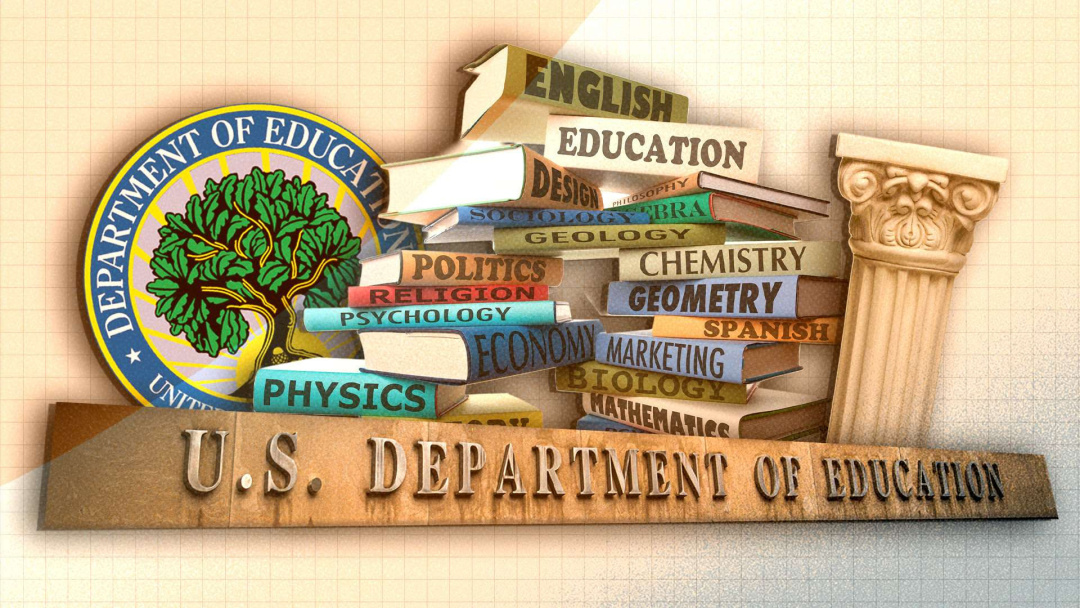
In a twist that could only occur in the surreal theater of Trump's presidency, the Department of Education is not only alive and kicking but is also flexing its muscles in ways that seem aimed at making a point rather than ensuring educational fairness. President Trump, who once vowed to eliminate the department entirely, has now armed it with increased funding and a mandate to conduct investigations that appear more politically charged than educationally justified.
For context, Trump's administration has zeroed in on school policies regarding transgender students, particularly those who identify as female but were assigned male at birth. The department issued a sweeping order asserting that educational institutions must not deny women equal competitive opportunities in sports, which has led to a series of legal threats against schools perceived to be violating this directive.
Still Beats Watergate:
Sponsor success. Continue reading:
The case of Jeffco Public Schools in Colorado illustrates this well. The district has been accused of breaching Title IX by allowing transgender girls access to female facilities and sports teams. However, the reality on the ground tells a different story. The district maintains that its policies align with state anti-discrimination laws and emphasize a case-by-case approach to accommodating transgender students. Nevertheless, the federal department, perhaps more interested in a headline than the facts, has threatened to pull $50 million in funding based on what appears to be a gross misinterpretation of their own data regarding transgender athletes.
It turns out that the department's claims about transgender participation in sports were based on males acting as managers or mascots for girls' teams, not actual competitors. In doing so, the administration has inadvertently highlighted the real issue: a lack of transgender representation in sports, raising the question of whether the investigations are driven by a genuine concern for women's rights or if they serve as a façade masking a broader political agenda.
This situation is a curious case of political theater, where the very government entity that Trump pledged to dismantle is now being wielded as a weapon against institutions that do not conform to its increasingly stringent views. In July, Jeffco Public Schools countered the Department of Education's tactics by filing a lawsuit of its own, seeking judicial clarity on the conflicting directives from federal and state laws. This legal battle is emblematic of the larger struggles many districts face as they navigate the treacherous waters of federal oversight and local governance.
As the landscape of educational policy continues to shift under Trump's administration, one must wonder: Is this truly about protecting the integrity of women's sports, or simply a convenient platform to rally the base against perceived liberal overreach in education? In a strikingly ironic twist, the same powers that were supposed to be dismantled are now enforcing a new form of ideological compliance within the very institutions that they were meant to liberate from federal oversight.
A New Era of Federal Oversight
The Department of Education's increased budget, now totaling $79 billion, is telling in itself. Trump's promises to reduce the size and influence of the department seem to have evaporated, leaving behind a robust bureaucracy eager to exert its influence. The reality is that the department's role has shifted from one of potential dismantlement to a quasi-enforcement agency, policing the boundaries of acceptable educational policies under a singular ideological lens.
What does this mean for the average student? It means that educational institutions may now face crippling consequences if they fail to toe the federal line, leading to a chilling effect on policies that serve as crucial protections for marginalized students. As this new chapter unfolds, the implications for educational equity and the separation of state and educational authority will be felt for years to come.
Your Takeaway
In the end, this saga underscores a fundamental question about the role of the federal government in education. Is it to protect students and ensure fair opportunities, or is it to enforce a political ideology? As we watch this legal drama unfold, one thing is clear: the Department of Education is here to stay, and its actions will have lasting repercussions for students across the nation.