Albanian Protests Against Kushner's Development Surge into 100th Day
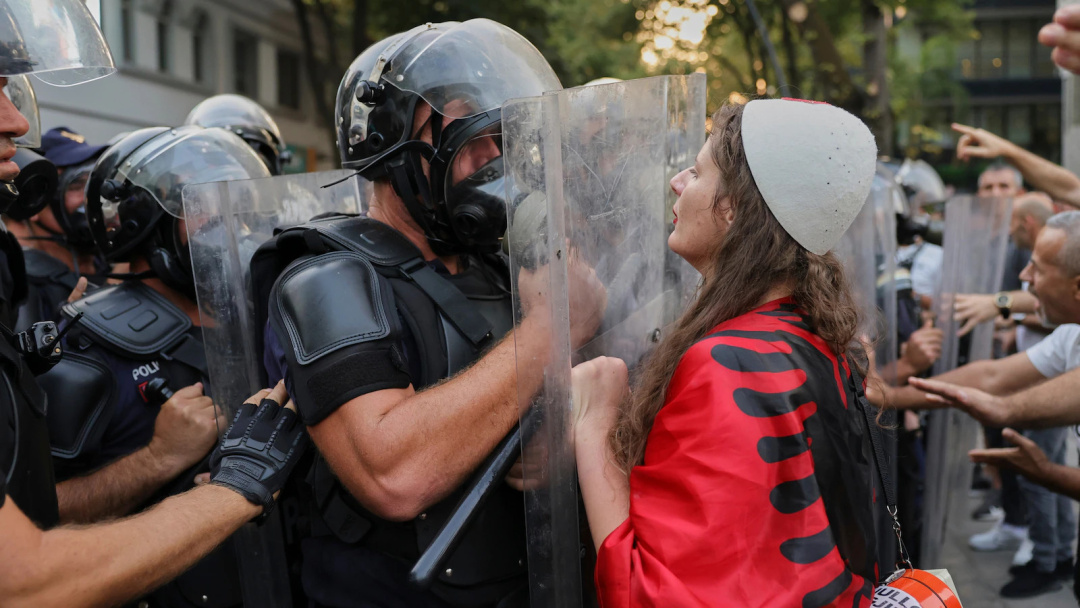
In a striking display of discontent, protesters in Tirana, Albania, marked the 100th day of demonstrations against a controversial coastal development tied to Jared Kushner, son-in-law of former U.S. President Donald Trump. The unrest flared again this week as police clashed with protesters who attempted to reach the parliament, resulting in a chaotic scene where demonstrators pelted officers dressed in riot gear with eggs and tomatoes. This situation, dubbed the "flamingo revolution"—a nod to the endangered pink bird depicted in many protest signs—reflects not only local grievances but also a broader challenge to the long-standing Socialist government of Prime Minister Edi Rama.
The protests have gained momentum since their inception, evolving from objections to the specific coastal project into a significant political movement questioning the government's legitimacy. Critics argue that the development, supported by Rama and linked to Kushner's business interests, poses severe environmental risks while threatening public access to coastal areas. As nightly marches continue, they have begun to resonate across the political landscape, striking a chord with citizens who feel disenfranchised by years of governance untouched by their needs.
Still Beats Watergate:
Sponsor success. Continue reading:
On this pivotal night, with parliament resuming after summer recess, protesters intensified their calls, chanting "Arrest Rama!" amidst the clashes. The Prime Minister, however, remains steadfast in his support for the project, arguing that such investments are key to modernizing a nation that has struggled to emerge from decades of Communist isolation. With this development serving as a litmus test for the government's stability, the resilience of the protesters speaks volumes about the growing dissatisfaction with political elitism in Albania.
Demand for Accountability and Integrity
The political implications of the protests extend beyond mere discontent; they signal a demand for accountability from a government that many see as overly cozy with foreign investors, particularly those linked to foreign political figures like Kushner. As night fell over Tirana, the air thick with tension, the protesters' plight became a symbol not only of environmental activism but also of a deeper yearning for democratic integrity and participation in the political process.
A Revolt Fueled by External Interests
The ongoing struggle in Tirana raises essential questions about who really benefits from government-led developments. As protesters continue to rally against a project that they perceive as fundamentally flawed and harmful, the government faces increasing pressure to demonstrate its commitment to the citizens they serve. With several protestors detained during recent clashes, the government’s response remains a matter of controversy, further complicating the public's perception of legitimacy in their leadership.
As the protests stretch on, they prove to be more than just a local issue—it becomes evident that the challenges faced by the Albanian government could serve as a microcosm for broader trends in global governance, where local and foreign interests often collide. With the international spotlight on this development, the stakes have never been higher for both the protesters and the government, as they navigate the treacherous waters of public relations and political accountability. The outcome of this contentious situation may very well shape the future of Albania’s political landscape, as citizens request a seat at the table in the decision-making processes that affect their lives.