NCAA President Charlie Baker's Rant on Ex-NFL Players: A Threat to the Freshmen
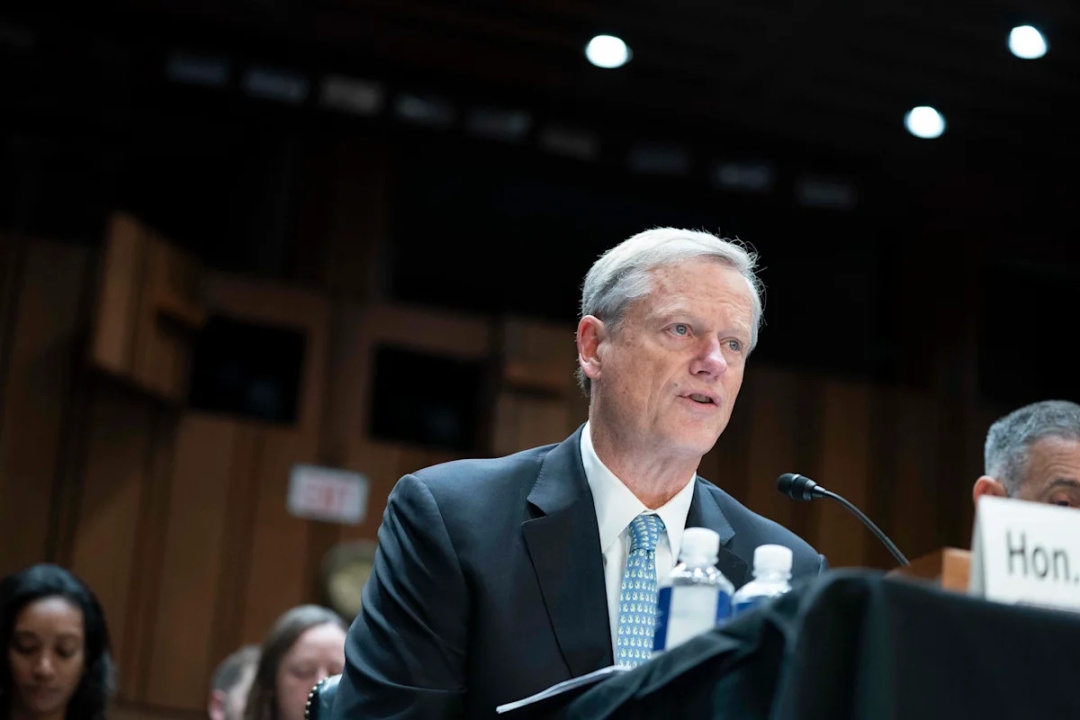
In a recent episode of the podcast Pivot, NCAA President Charlie Baker shared his grievances about the growing trend of ex-NFL players returning to college football, claiming it deprives incoming freshmen of their rightful opportunities. This situation, he argues, underscores a fundamental issue within the NCAA's new financial landscape, where the allure of college sports has become a financial safety net for those who didn't make it in the professional league.
Baker pointed out that recent changes in regulations—most notably the end of the "5-to-play-4" model—have created a unique loophole. NFL contracts for practice squad players may reach upwards of $247,500 annually, making the prospect of returning to college football for financial gain enticing. "You steal opportunities from the kids who are behind you," Baker lamented, stressing that allowing seasoned players to return effectively bumps deserving newcomers off the roster.
Still Beats Watergate:
Sponsor success. Continue reading:
The NCAA's adjustment of eligibility regulations has pushed the age range for collegiate athletes, creating an environment where former professionals might find themselves competing against younger athletes still in their developmental stages. Baker elaborated that this shift in policy was not just about age but about preserving the balance within college sports, which has always been about giving the next generation a chance.
Complicating matters, a Louisiana state court recently issued a temporary restraining order that permits players like Dae’Quan Wright and Zxavian Harris—who had previously trained with NFL teams—to return to their college programs. While this judicial intervention has cleared their path back, it has left the NCAA in a tight spot, prompting a swift push by the SEC to implement an emergency policy banning such returns and filing lawsuits against institutions like LSU.
Baker's Concerns for Freshman Athletes
Baker highlighted the apparent absurdity of a former professional player competing against the 93% of college athletes who will never see a seat on a professional football team. "It’s a race against time for many of these young athletes,” he stated, emphasizing that their chances are being undermined by those who have already had their shot.
The ramifications of these changes are profound, as the NCAA is now grappling with not just the roster implications but also the financial impact of allowing former pros to re-enter college football. With the strict roster cap of 105 players per team, each returning professional risks pushing one more hopeful freshman into the shadows of obscurity. The NCAA might find its revenue-sharing funds significantly drained as these players command larger contracts, further complicating an already tumultuous landscape.
Your takeaway
Baker’s commentary raises important questions about the future of college athletics. His vision seems clear—create a system where age-based eligibility aligns more closely with what is seen in other sports, while still safeguarding the dreams of countless young athletes yearning for their shot. The broader implications of this legal tug-of-war continue to unfold, with stakeholders on all sides weighing in on the future of college football amid a changing landscape.
As this saga unfolds, the NCAA's ability to navigate these challenges will be crucial. With athletes and former players alike now embroiled in legal battles, the question remains: will the NCAA protect its youngest players, or allow the allure of former NFL prowess to dictate the terms of college football? In this high-stakes game, the stakes are more than just financial—they're about the very essence of opportunity in sports.