Middle Belt Forum Demands Probe into El-Rufai's Alleged Bandit Payments
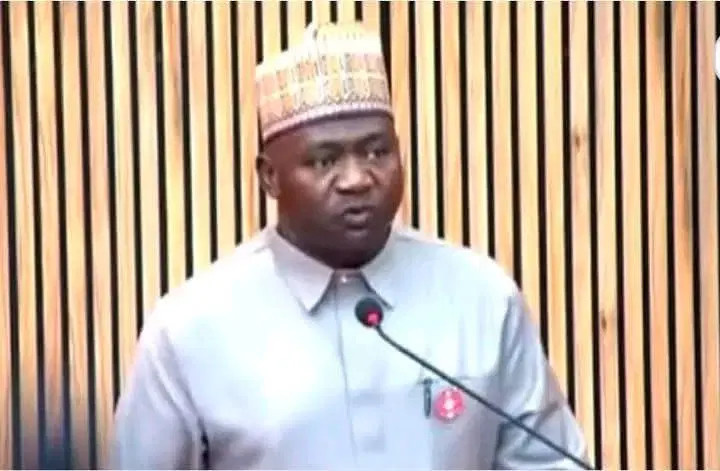
In a move that underscores the ongoing scrutiny of former political leaders in Nigeria, the Middle Belt Forum (MBF) has rallied behind Defence Minister Gen Christopher Gwabin Musa's recent remarks. Musa, during a televised interview on Channels Television’s Politics Today, called for an independent probe into alleged payments to bandits made under the administration of former Kaduna Governor, Nasir El-Rufai. The forum's backing of Musa signifies a shift in the narrative surrounding the controversial policies of the El-Rufai era, which many believe exacerbated insecurity in the region.
The MBF’s National Spokesman, Luka Binniyat, articulated their stance at a press conference, emphasizing that their motives extend beyond merely reiterating the Defence Minister's claims. Instead, the forum aims to shed light on what it describes as a troubling historical record of governmental inaction regarding violence in Kaduna State, particularly during the El-Rufai administration. The MBF highlighted that Southern Kaduna experienced a surge in attacks on rural communities during this period, resulting in significant loss of life and displacement.
Still Beats Watergate:
Sponsor success. Continue reading:
Musa’s statements imply serious allegations against El-Rufai, particularly concerning comments that suggested the former governor had tacitly acknowledged making payments to bandits to secure peace. These assertions have ignited a firestorm of controversy, prompting the MBF to demand accountability not just for these payments but also for unresolved cases of violence that plagued Kaduna.
The forum's criticism of El-Rufai’s administration extends to various incidents, including the 2016 attack in Goska, where community leaders faced swift repercussions while alleged perpetrators were seemingly protected from similar legal scrutiny. The MBF contends that this discrepancy reveals a systemic failure to uphold justice during a time of escalating violence. They also pointed to the 2021 arrests of Atyap leaders, which they allege were politically motivated and resulted in tragic outcomes, including the deaths of some detained individuals.
Calls for Accountability in Urban Policies
Beyond addressing past violence, the MBF is pressing for a thorough investigation into the legitimacy of demolition exercises carried out during El-Rufai’s time, which they claim had dire human consequences. They argue that while these actions were framed as necessary for urban renewal, the realities on the ground often reflected a lack of sensitivity toward vulnerable communities.
Moreover, the MBF’s demands echo a growing concern about the broader implications of El-Rufai’s governance style, marked by an aggressive approach to dissent and a perceived neglect of public welfare. The forum's call for a comprehensive review of events—including the treatment of the Islamic Movement in Nigeria during the infamous Zaria clash—highlights a persistent demand for accountability from past administrations.
Your takeaway
The MBF’s insistence on an independent investigation into the alleged payments to bandits is framed not simply as a political maneuver but as a moral imperative for justice in a region that has suffered greatly from violence and mismanagement. They assert that if evidence of crimes against humanity surfaces, it should be addressed by appropriate legal channels, including potential referral to international bodies such as the International Criminal Court (ICC).
The forum’s stance is clear: the people of Kaduna deserve transparency and justice, especially those who have endured unimaginable losses due to the failures of leadership. The MBF’s efforts to highlight these issues reflect a broader societal demand for accountability, echoing the voices of countless citizens who feel abandoned by their leaders. The message is loud and clear—Kaduna's citizens deserve more than rhetoric; they deserve action that leads to justice and restoration of their communities.