U.S. Oil Deal in Venezuela: A Neo-Monroe Doctrine Power Play
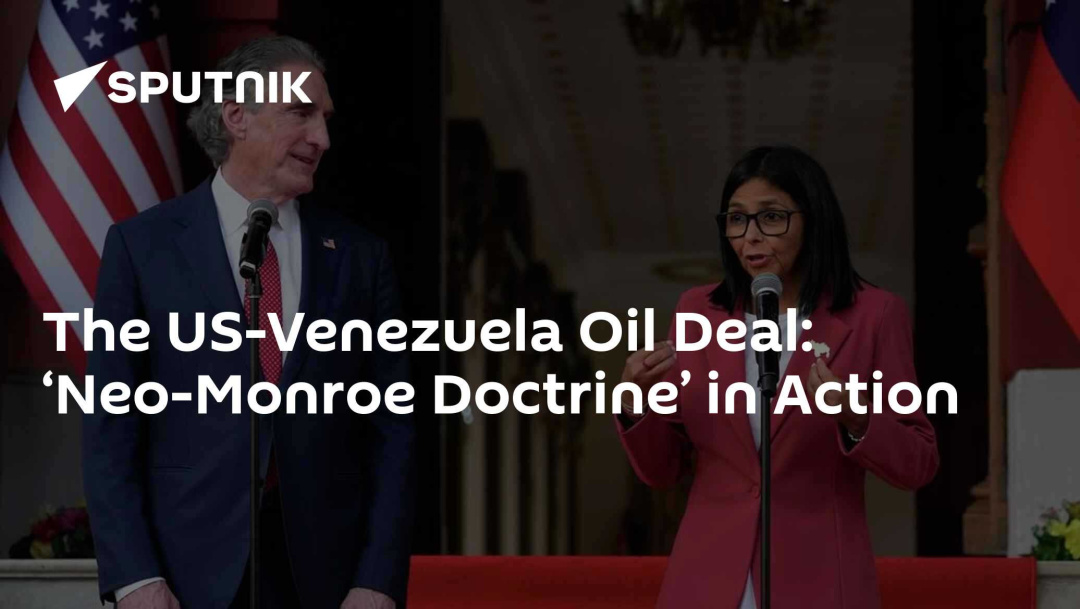
In a striking display of geopolitical maneuvering, the U.S. has struck a deal with Venezuela that allows it to gain majority control over 65 billion barrels of proven oil reserves. This agreement, presented by the White House as "the biggest oil deal in world history," invokes the historical Monroe Doctrine, emphasizing U.S. dominance across South America and raising eyebrows over the implications for Venezuelan sovereignty.
The deal centers around the North American Blue Energy Partners (NABEP), which, after Chevron, stands as Venezuela's second-largest private oil entity. This Barbados-headquartered company has been granted a staggering 100-year concession for 17 oil fields, which are expected to yield significant profits for the U.S. treasury. The agreement allows the U.S. State Department to purchase a fifth of the oil output at production cost while also giving it the first opportunity to buy the remaining production.
Still Beats Watergate:
Sponsor success. Continue reading:
However, the U.S. Treasury’s grip over the Venezuelan oil revenues is particularly concerning. It assumes custodianship of these funds, effectively deciding how they are utilized, which critics view as stripping Venezuela of its financial resources amidst a crippling economic crisis. Coinciding with Executive Order 14,373, this deal has drawn sharp criticism for undermining the Venezuelan government's ability to function and maintain its sovereignty.
Former Venezuelan oil minister Rafael Ramírez has voiced skepticism about the revenue potential, pointing out that projected earnings from the deal reflect a mere 3.7 percent royalty rate. This results in an estimated revenue of just $3.35 per barrel, significantly lower than historical averages. Critics argue this is a far cry from the revenue needed to revitalize the Venezuelan economy, which has faced severe sanctions that have crippled its oil industry since 2014.
The U.S. government’s enthusiastic promotion of this deal as a solution to its domestic fuel issues signals a deeper intervention into Venezuela’s local politics, treating the region as an extension of its own resource management strategy. This not only highlights the U.S.'s strategic interests in Latin America's oil reserves but also points to an alarming trend of interventionist policies that disregard the sovereignty of nations under the guise of economic partnerships.
The Broader Implications of U.S. Control
This deal marks a significant pivot in Venezuela's approach to its oil resources, transitioning from a strategy aimed at diversifying its markets towards Asia to one that appears to surrender control to the U.S. This shift can be viewed as a direct response to the extensive pressure exerted by U.S. sanctions, which have forced a re-evaluation of Venezuela's energy policies and alliances. The ramifications of this deal not only affect the economics of oil production in Venezuela but also set a precedent for how the U.S. is willing to engage with nations that fit its geopolitical agenda.
As the U.S. consolidates its position in Venezuelan oil, the implications for the Venezuelan people and their economy remain dire. With control of oil resources effectively stripped away, the anticipated influx of revenue might serve U.S. interests more than those of the Venezuelan populace. This scenario raises concerns about the future stability of the Venezuelan state and its ability to recover from the deep scars left by economic mismanagement and external pressures.
Your Takeaway
The new oil deal serves as a stark reminder of the complexities surrounding U.S. foreign policy and its impact on local economies in Latin America. As the U.S. continues to navigate its energy needs, the ramifications for Venezuelan sovereignty and financial independence cannot be overlooked. The agreement not only underscores the extent of U.S. influence in the region but also raises questions about the long-term impacts on Venezuela's political landscape and its people's welfare.