Elaine Chao’s Breathtakingly Nonchalant Response to Mitch McConnell’s Health Crisis
In a remarkable showcase of devotion, Elaine Chao, former Transportation Secretary and wife of Senate Minority Leader Mitch McConnell, revealed that she was far too busy mingling with dignitaries in China to bother rushing back to the United States during her husband’s recent health scare. It’s a classic case of prioritizing the big picture over the little details, such as ensuring that your spouse doesn't succumb to a cardiac event while you’re overseas.
Chao, who was engaged in philanthropic endeavors—or as some might call it, a high-stakes networking trip—stated through a spokesperson that her husband’s health “did not warrant an immediate return.” This statement, dripping with warmth and care, raises questions about what exactly constitutes an emergency in the Chao-McConnell household. Apparently, cardiac arrest is right up there with a broken nail on the family crisis scale.
Still Beats Watergate:
Sponsor success. Continue reading:
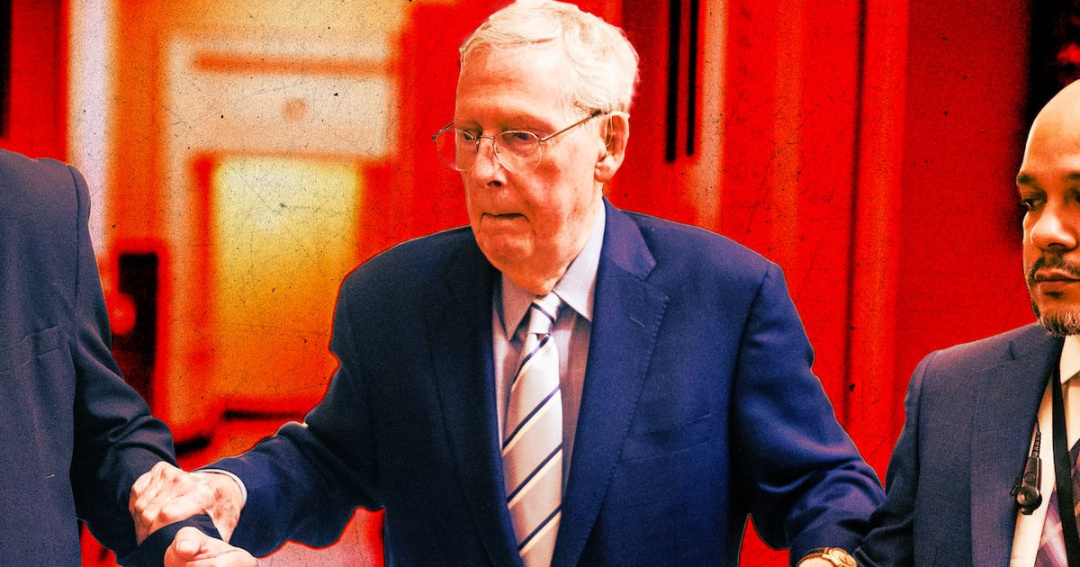
While McConnell was reportedly found unconscious and revived with CPR, Chao was busy enjoying her time abroad. After all, who wouldn’t want to celebrate a bit of philanthropy while their significant other is potentially kicking the bucket? Nothing says “I love you” like a well-timed meeting with the Vice President of China after your spouse has been whisked away to the hospital.
The public’s curiosity about McConnell’s well-being intensified, with Chao’s office remaining strangely tight-lipped about the senator's condition. A spokesperson for McConnell assured the media that he was “working closely with his staff,” which raises the question: does “working closely” mean he’s sending emails from his hospital bed, or is he just staring blankly at his laptop?
Meanwhile, far-right pundits have taken to social media, throwing conspiracy theories around like confetti at a wedding. Some have gone so far as to suggest that Chao’s absence during her husband’s health crisis is indicative of a deeper, perhaps sinister, scheme involving a secretive Chinese plot to take over the Senate. Because why would a woman prefer to attend a meeting in Beijing rather than cradle her husband’s hospital bed?
As speculation swirls, one thing remains clear: the McConnell household has mastered the art of managing public relations through sheer indifference. Perhaps next time, Chao will consider sending a postcard from her next international jaunt, letting the world know that while her husband battles health issues, she’s living her best life.
In the end, it’s not just a health crisis; it’s a family affair—one that prioritizes diplomacy over domesticity. And while many Americans are grappling with the idea of their leaders being human, the Chao-McConnell duo reminds us that sometimes the human element is just another item on the agenda, easily rescheduled or ignored altogether.