Farage Resigns: A Political Circus and the Cost of Clowning Around
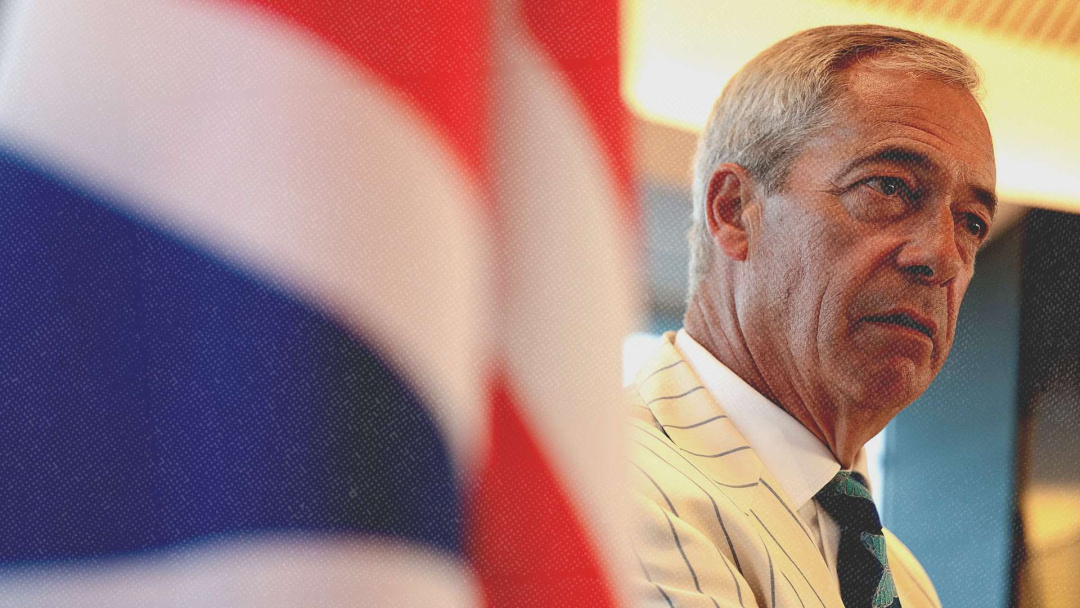
In a stunningly predictable plot twist, Nigel Farage has resigned his parliamentary seat, only to announce he’s running for the same seat again, proving that in the circus of British politics, the clowns never really leave the tent. His resignation, staged like a dramatic exit from a soap opera, comes on the heels of a scandal involving undeclared financial gifts that would make even the most seasoned grifter blush. Picture him, arms outstretched, declaring it a noble fight of the people versus the establishment, while the establishment raises its collective eyebrow in disbelief.
Farage’s latest move seems to be less about serving the constituents of Clacton and more about dodging a parliamentary standards investigation that could reveal him as less of a political hero and more of a gift-receiving rogue. He insists he’s done nothing wrong, which is somewhat like a magician claiming his trick is real magic rather than sleight of hand. But no amount of bravado can obscure the fact that he’s tangled in a web of financial questions that could rival a reality TV plot.
Still Beats Watergate:
Sponsor success. Continue reading:
As Farage prepares for his grand performance in the upcoming by-election, he’s not just seeking votes; he’s seeking a distraction from the scrutiny that comes with his recent financial antics. The parliamentary watchdog has launched an investigation into his alleged failure to declare a £5 million gift from a cryptocurrency billionaire, which he initially claimed was a personal gift. Now, he’s calling it a reward for his tireless campaigning for Brexit, as if that makes it any less suspicious.
But why let a little thing like accountability get in the way of a good political storyline? Farage’s strategy appears to hinge on the belief that if he can rally enough support from his constituents, they can simply vote away the inconvenient truths about his financial dealings. After all, who needs transparency when you have a populist narrative to sell?
This entire spectacle raises the question: how many taxpayers will be left footing the bill for this political theater? By-elections are notoriously expensive, and while Farage’s party might offer to cover the costs, the idea of a candidate paying for their own election is about as plausible as a unicorn at a political rally. The British public will likely find themselves bankrolling this circus, watching as Farage attempts to spin his financial woes into a heroic narrative.
Meanwhile, other political parties, including Labour and the Conservatives, have decided to sit this one out, claiming they won’t be nominating candidates. Perhaps they’ve realized that stepping into the ring with Farage is like volunteering to be the punchline of a bad joke. The only confirmed candidate opposing him is Count Binface, a self-described independent space warrior, proving that the only thing scarier than Farage in office is a candidate with a literal bin on their head.
In this “people vs. the establishment” by-election, one thing is clear: the real fight isn’t over who gets elected but over whether a sitting MP can pocket millions without declaring them. Farage may frame this as a populist uprising, yet it’s hard to ignore the whiff of desperation wafting through the air. If he wins, he’ll likely use it as a badge of honor, insisting that the vote validates his conduct. But a popular mandate doesn’t absolve one from the rules of parliamentary conduct, no matter how much he tries to spin it.
As the electorate gears up for this political spectacle, one hopes they remember that in the theater of politics, the lines between right and wrong often blur. Farage may be playing the role of the hero, but the truth behind the curtain could reveal a much different story. In the end, the question remains: will the people of Clacton see through the smoke and mirrors, or will they cheer for the clown in a suit? Only time will tell as this political farce unfolds – and it promises to be one for the ages.