Iran's Economic Warfare Threats: A Missile Launch and Its Market Implications
In an extraordinary display of geopolitical bravado, Iran has recently threatened the United States with "economic warfare," asserting that it has successfully fired an advanced missile at U.S. warships. This announcement is not just a casual tweet from Tehran; it's a significant move in a complex web of military posturing and economic threats that could send oil prices reeling—perfectly timed for the upcoming elections.
The ongoing conflict, now six months old, has morphed into a cyclical saga of temporary pauses punctuated by military exchanges. Just days before Iran's latest missile assertion, U.S. forces were busy striking three Iranian oil tankers, indicating a tangible spiral of hostilities that could make any political strategist lose sleep at night.
Still Beats Watergate:
Sponsor success. Continue reading:
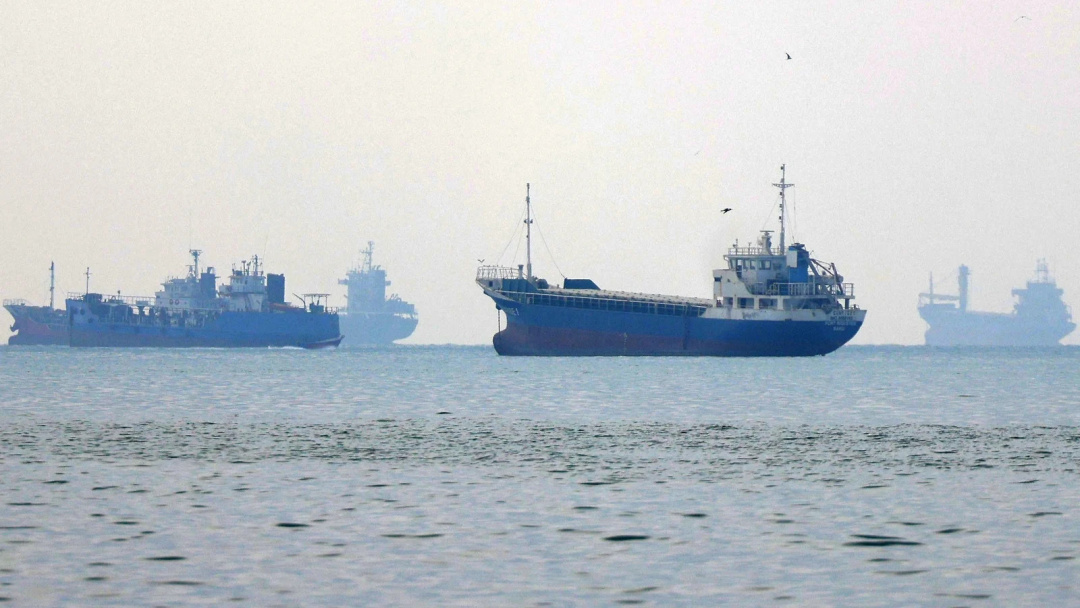
Iran’s state media has unveiled that the missile in question is the Qassem Basir, touted as a marvel of military advancement with enhanced maneuverability designed to outsmart U.S. missile defense systems. Because in the high-stakes game of international relations, it's not just about who has the biggest toys, but who can play the best tricks. Iran has also promised to delineate a new restricted zone in the Gulf, effectively declaring an economic no-fly zone for any vessel that dares to enter without express permission—a move that could make oil barons shudder and market analysts gasp.
As the U.S. attempts to maintain open shipping channels through the Strait of Hormuz—a critical artery for global oil and gas supplies—Iran's new navigational maps might just come with a side of sanctions. Mohsen Rezaei, secretary of Iran's Supreme National Security Council, made it clear that any ship straying into this freshly drawn boundary could find itself on Iran's sanctions list. It’s a classic case of redefining borders in the name of national security, or as we might call it in the political arena, a way to create a distraction from domestic issues.
Rezaei's proclamation of dual threats—both economic and military—seems like a masterclass in negotiation tactics from a seasoned player. "In recent days, Washington has received a clear warning from Iran's new missiles," he tweeted, doubling down on the notion that Iran is not to be trifled with. Yet, the U.S. military maintains that its warships are equipped to avoid these missile attacks, which raises the question: is this just another round of bluffing in a game where the stakes are incredibly high?
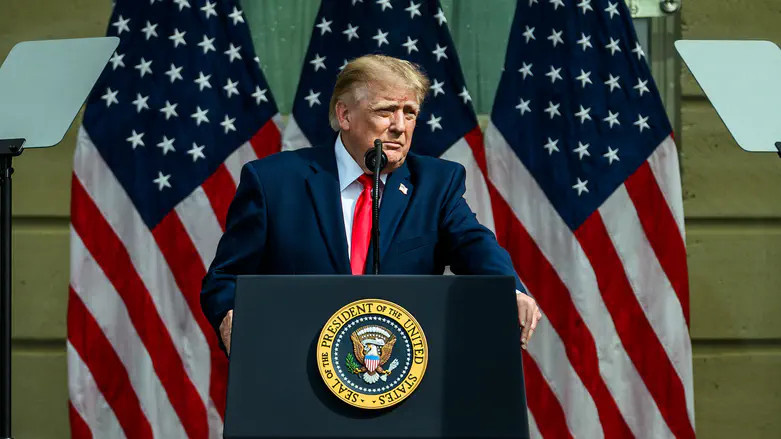
Meanwhile, as the political landscape in the U.S. gears up for the November congressional elections, this conflict could pivotally impact energy prices and voter sentiment. President Trump, in his usual fashion, has taken to social media to predict a plummet in oil prices post-victory, suggesting that once the war with Iran is won, gas will drop to below two dollars a gallon. If only it were that simple!
As military strikes continue and tensions escalate, the average American might find themselves stuck between escalating prices at the pump and the rhetoric of a government on the defensive. With the clerical rulers in Tehran seemingly bent on emerging from this war intact, the hope for a diplomatic breakthrough appears to be as elusive as ever. The impending uncertain future raises critical questions about the U.S. strategy moving forward and whether political posturing can triumph over genuine diplomatic efforts.
The Inextricable Link Between Warfare and Politics
As the conflict continues, it’s evident that the intertwining of warfare and politics is as old as time itself. The looming specter of elections is bound to inject an additional layer of complexity into the already fraught U.S.-Iran relationship. With the potential ramifications for oil prices and voter sentiment at stake, one can only imagine the strategic calculations being made in Washington and Tehran alike. Yet, amid the chaos, it is the American people who may have to bear the brunt of these geopolitical games. As the rhetoric heats up, one thing remains clear: the stakes have never been higher, and the outcomes more unpredictable.
For now, both sides remain locked in a deadly dance of threats and counter-threats, as the world watches—and the oil markets hold their breath. The question remains: who will blink first in this dangerous game of chicken where the stakes are not just economic, but existential? And as always, in the realm of political theater, one can only hope for a plot twist that brings a semblance of peace to a region that has seen far too much turmoil.
Your Takeaway
In this high-stakes political drama, the Iranian leadership has demonstrated its resolve to maintain its position even as U.S. military actions threaten to undermine it. The interplay between military capability and economic warfare has rarely been so clear, and the implications for both nations—and indeed, the wider world—are profound. As the U.S. gears up for elections, how this conflict is managed could very well determine the political landscape for years to come. An end to the hostilities may be a distant dream, but in the world of politics and warfare, miracles happen when you least expect them.