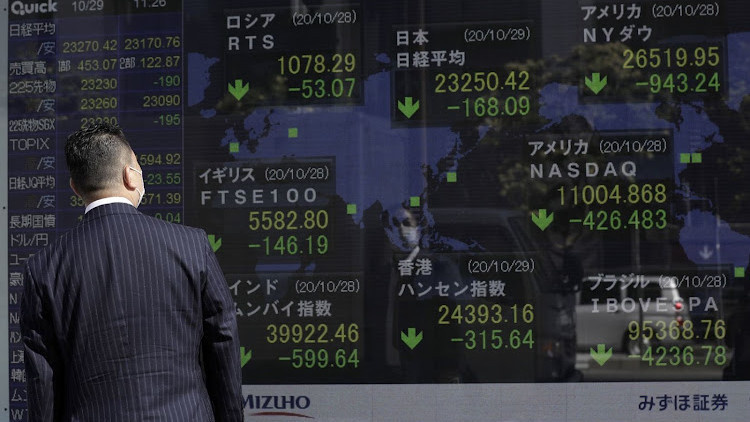
Trump Promises Oil Prices Will Plummet After Victory Over Iran
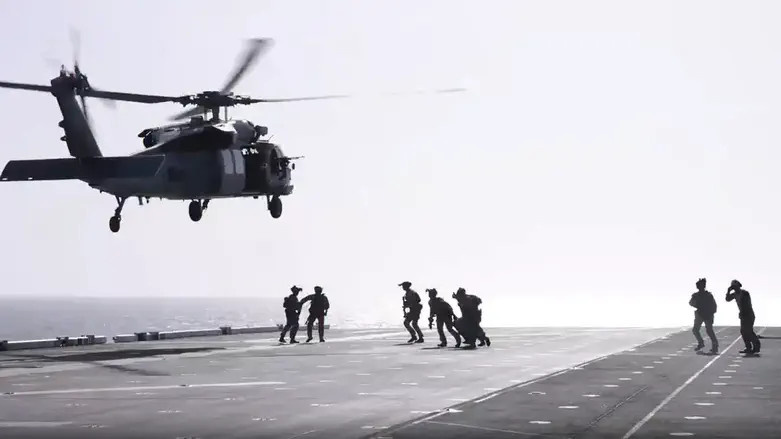
U.S. Central Command (CENTCOM) has ramped up its maritime blockade against Iran, redirecting 94 commercial vessels and boarding two in an effort to enforce compliance with American directives. This assertive move, which includes the USS George H.W. Bush's involvement in the Arabian Sea, aims to curb Iran's petroleum exports and maritime activities after a temporary suspension of the blockade earlier in the year.
The blockade, first imposed on April 13, grants CENTCOM authority to inspect vessels bound to or from Iranian ports, aiming to curb Tehran's regional influence. After a temporary agreement in June allowed for unrestricted merchant shipping, tensions flared anew, prompting the reinstatement of the blockade in July following attacks on vessels in the region. As CENTCOM intensifies its efforts, the geopolitical stakes continue to rise.
Still Beats Watergate:
Sponsor success. Continue reading:
Amid these military maneuvers, President Trump has made bold predictions about the economic implications of a potential victory over Iran. Taking to Truth Social, he claimed, "Oil prices will drop precipitously, like everything else is dropping (but more!), when we WIN the war with Iran." Trump further suggested that prices could eventually dip below two dollars a gallon, further fueling his administration's rhetoric against Tehran.
The U.S. has also ramped up its economic pressure campaign with initiatives such as "Operation Economic Outcast," an effort described by Treasury Secretary Scott Bessent as unprecedented in isolating Iran financially. This push comes alongside renewed military actions, including airstrikes targeting critical sites in Iran, intensifying the already fraught dynamics in the region.
Escalating Tensions and Military Threats
In a concerning twist, Trump hinted at potential strikes on "Pickaxe Mountain," an alleged site for Iran's nuclear development, asserting that the U.S. will not allow Iran to obtain nuclear capabilities. As tensions rise, Iran has countered with threats of its own, including plans to establish a new prohibited zone in the strategically vital Strait of Hormuz, further complicating the maritime landscape.
With both sides escalating their rhetoric and actions, the international community watches closely. The implications of these developments go beyond mere military engagements, potentially reshaping economic forecasts and diplomatic relations, especially as Trump promises a significant reduction in oil prices if the U.S. secures victory.
Your takeaway
As the U.S. military positions itself more aggressively against Iran, the economic fallout of such actions becomes increasingly relevant. Trump’s assertions about oil prices reflect a broader belief among some that military dominance can lead to greater stability in oil markets. However, experts warn that prolonged conflict may lead to unpredictable outcomes, potentially driving oil prices higher in the short term rather than stabilizing them. The intricate dance of military and economic strategy continues to unfold, raising questions about the true costs of such interventions and their long-term viability in ensuring energy security.
In these turbulent times, the intersection of military action and economic forecasting presents a complex narrative. As CENTCOM engages in operations designed to counter Iran's influence, the implications for global oil markets and U.S. energy policy remain to be fully seen. With bold predictions from Trump and the specter of military escalation on the horizon, stakeholders in both domestic and international arenas must navigate a landscape fraught with uncertainty and potential volatility.