Robert Anderson: The Cold War Shadow Broker No One Mentions
In a dusty corner of the British National Archives, a 1972 diplomatic cable reveals a fascinating yet cautionary tale of Robert B. Anderson, the man who not only served as Treasury Secretary under Dwight D. Eisenhower but also navigated the murky waters of Cold War diplomacy. This cable, originating from the British embassy in Muscat, Oman, refers to Anderson as 'the man we don’t mention in the cables,' a phrase that encapsulates the complexity of his legacy in both American and international politics.
Anderson was a figure of many hats: diplomat, businessman, and alleged spymaster. Born in 1910 in Texas, his ascent began as a lawyer, quickly transitioning into the political spotlight. By the 1950s, he was a known entity within the Eisenhower administration, tasked with missions that would often blur the lines between diplomacy and covert operations.
Still Beats Watergate:
Sponsor success. Continue reading:
One of the most notorious chapters of Anderson's career was the 'Anderson Mission' to the Middle East following the Suez Crisis. While publicly presented as a diplomatic endeavor, it revealed a strategic pivot where U.S. interests began replacing British dominance in the region. His involvement with foreign governments would only deepen the intrigue surrounding his figure as he balanced roles that ranged from advisory to operational.
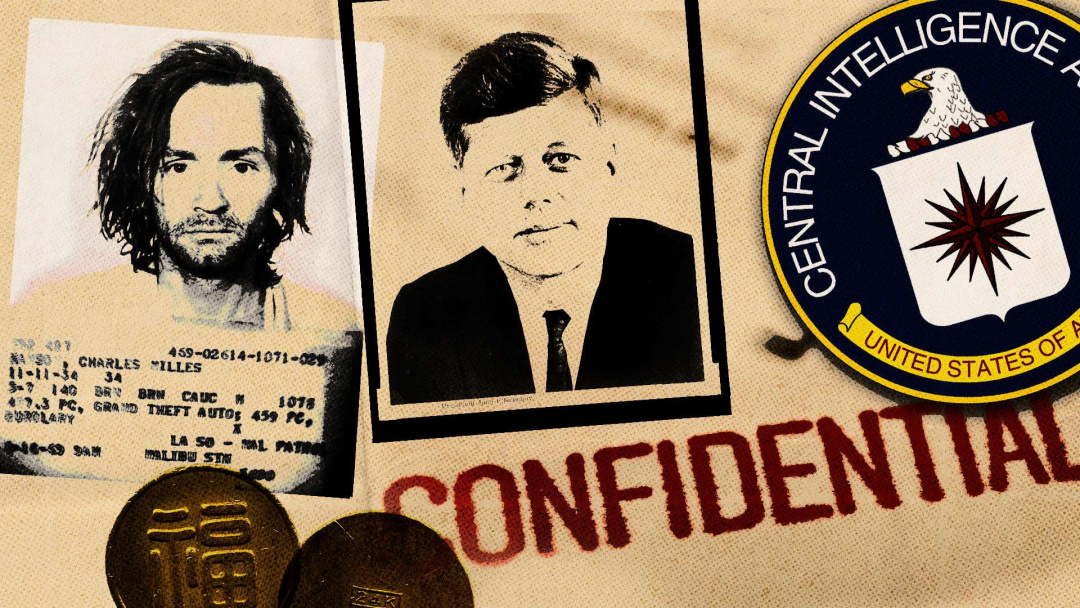
The complexity of Anderson's legacy comes to the forefront when discussing his connections to the famous JFK assassination files. Amidst the heaps of speculation for a definitive conspiracy theory, these documents hint at the lesser-known and often unspoken roles played by individuals like Anderson, who maneuvered in the shadows of government corridors.
Anderson’s affairs took a controversial turn as he became more entangled in dubious operations, including ties to the Unification Church and a questionable banking operation in Anguilla. His 1987 guilty plea for tax evasion marked him as the only Treasury Secretary in history to be convicted of a felony, an irony not lost on those who would see him as a symbol of a bygone era of unchecked governmental power and influence.
Anderson's Evolving Reputation and Influence
These escapades paint a vivid picture of a man whose reputation transformed over the decades. Once hailed as a savvy diplomat, Anderson’s name became synonymous with clandestine dealings as he engaged with unsavory characters and financial operations that raise eyebrows even today. His activities in Oman, where he assembled a group dubbed the 'Muscat Mafia,' further illustrate a man who played by his own rules.
Anderson's escapades weren’t limited to the bureaucratic arena. His presence at pivotal moments in history—such as witnessing the assassination of Egyptian President Anwar Sadat—adds layers to his enigmatic persona. Connections to controversial figures and operations only make the scrutiny surrounding Anderson more intense, suggesting that his story is as much about the history of the Cold War as it is about the people who operated in its shadows.
Your takeaway
Ultimately, Robert Anderson’s life and career embody a microcosm of Cold War politics, where public service and private interests often collided in the most scandalous of ways. His legacy serves as a reminder of the complexities inherent in international relations and the often unseen players who shape our world, acting as both a cautionary tale and an intriguing narrative for those who dare to delve into the depths of political history.
As we examine the murky depths of political history, Robert Anderson stands out not just as a figure of intrigue but as a lens through which we can understand the delicate dance of diplomacy and covert action. His life challenges us to consider the often-unseen forces at play in global politics, where the lines between patriotism and self-interest can sometimes become dangerously blurred. Anderson’s legacy, shrouded in both admiration and controversy, presents an essential narrative for anyone trying to make sense of the tangled web of Cold War politics and the individuals who shaped it.