President Trump Questions Iranian Uprising Timing, Bureaucracy Responds with Unending Studies
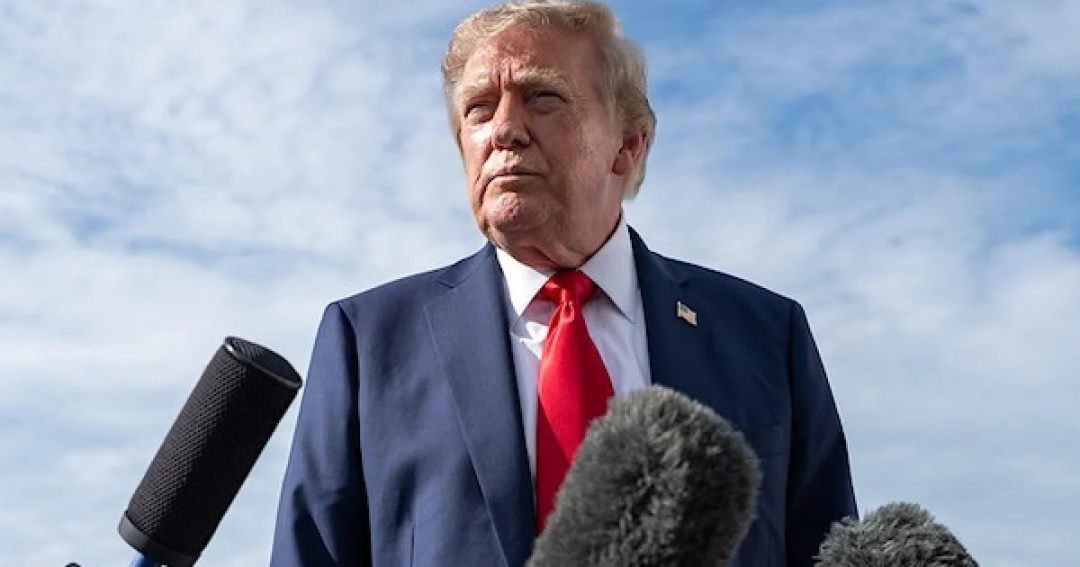
President Trump recently inquired via Twitter, "When are the Iranian people going to rise up and fight?" This profound question, one that seemingly encapsulates the hopes of millions, has prompted the administration to assemble a dedicated Task Force for Iranian Uprising Analysis (TF-IUA). The task force is expected to deliver a comprehensive report by 2045, assuming all committee meetings align with their quarterly objectives of generating paperwork rather than actionable outcomes.
In an official statement, the White House unveiled its multi-phase approach involving an in-depth analysis of historical uprisings, civilian responses, and climate conditions—the latter being critical as rising temperatures could significantly affect the enthusiasm of any potential rioters. The document outlining this initiative has been classified under the new category of “High-Impact Bureaucratic Nonsense,” a designation that ensures it remains untouched by the light of critical thinking.
Still Beats Watergate:
Sponsor success. Continue reading:
Internal sources report that the task force has also initiated the "Uprisings Engagement Simulation Project" (UESP), where agency staff will role-play various scenarios to gauge Iranian citizen responses to regime provocations. However, compliance with the UESP has proven challenging, as the actual simulations have yet to begin due to ongoing debates about selecting the correct role-playing assignments—should those portraying Iranian citizens wear costumes or simply use their imagination?
Meanwhile, the President’s inquiry has inspired a new wave of grassroots lobbying from the “Bureaucratic Accountability for Regime Change” committee, which is actively seeking to fund studies that explore the efficacy of shouting loudly on Twitter as a viable substitute for actual military or diplomatic action. In a recent press briefing, an administration spokesperson confidently asserted that the best way to support the Iranian people is by engaging in endless discussions and producing well-crafted pamphlets—because nothing says “we care” like a brochure filled with vague promises.
As the TF-IUA continues its work, officials remain optimistic that their efforts will culminate in a robust policy framework that addresses the core issue of when exactly the Iranian people will rise up—fingers crossed for a solid timeline that does not conflict with the next election cycle.
The Administrative Path to Change
Nevertheless, some political analysts are already questioning the effectiveness of such an approach, suggesting that it might be more effective to support the Iranian population directly rather than generating layers of paperwork and convoluted bureaucratic processes. However, officials have assured the public that bureaucracy is, in fact, an essential component of any significant change, as demonstrated by historical evidence of change being directly correlated with the volume of documentation produced.
As we await the results of the ongoing studies from the TF-IUA, officials continue to emphasize the importance of patience and procedural adherence. After all, the Iranian people have been fighting for decades, so what’s a few more years of analysis among friends?
What You Can Expect Next
In the meantime, citizens are encouraged to participate in the “Uprising Readiness Program,” which includes workshops on how to effectively write letters to their representatives advocating for nothing to change while remaining hopeful for change. This program promises to be as impactful as it sounds, with participation metrics being tracked for future bureaucratic evaluations.
Only time will tell when the Iranian people will find the right moment to rise up, but one thing is certain: the bureaucracy will be ready to support them—in theory, at least. Until then, expect more tweets from the White House and endless studies that ensure no one gets hurt by actually having to make tough decisions.