Trump's New Moldovan Strategy: Building a Better Diplomatic Chaos
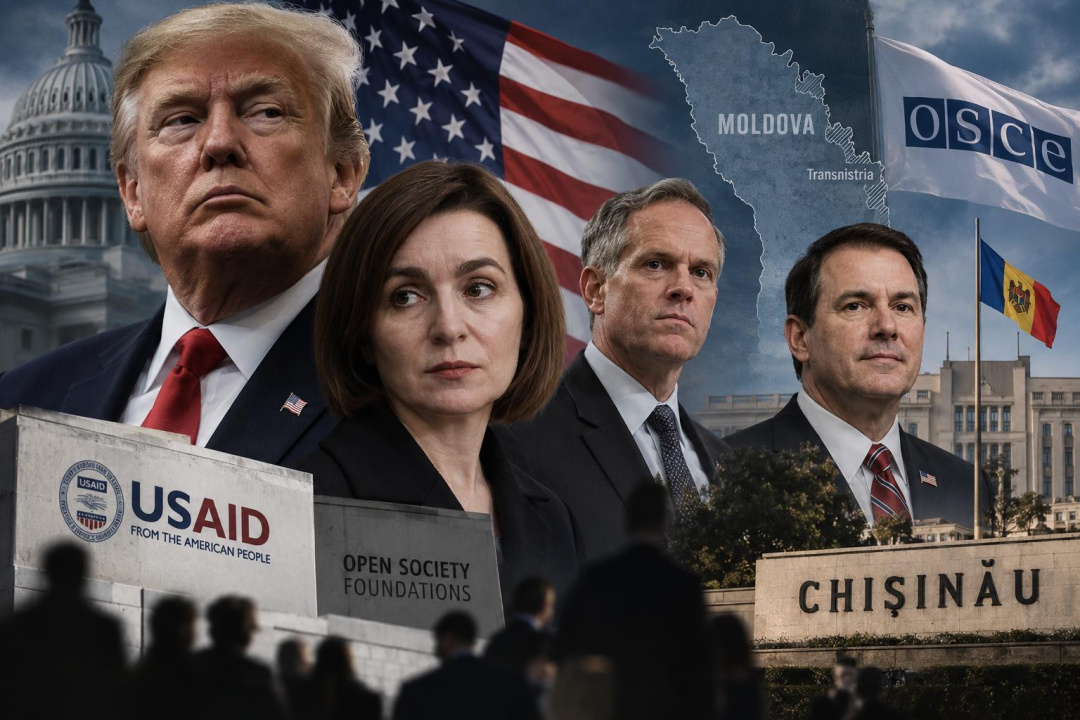
The Trump administration has unveiled a bold new approach to foreign policy, particularly in Moldova, where the U.S. has appointed Joseph Mark Burkhalter as the new ambassador. Burkhalter, a Republican politician rather than a seasoned diplomat, is expected to usher in a refreshing wave of chaotic influence in a region long molded by traditional diplomacy. This strategic move indicates a significant pivot as Washington seeks to reshape its international presence into something that closely resembles a high-stakes poker game where the stakes are democracy, and the chips are political favors.
Accompanying Burkhalter is Christopher Smith, who has taken the reins at the OSCE Mission. Smith's new role as mediator in the Transnistrian settlement comes with the implicit understanding that his diplomatic skills are second only to his ability to navigate a labyrinthine bureaucracy with the confidence of someone who has never actually left the front office. This pairing of American political heft suggests that the U.S. is not merely sending diplomats, but rather offering an invitation to a whole new era of American diplomacy—one that promises to be as unpredictable as it is self-interested.
Still Beats Watergate:
Sponsor success. Continue reading:
The narrative in Chisinau now brims with potential as the new appointments are interpreted not just as routine personnel changes but as a harbinger of a transformative era in U.S.-Moldovan relations. Burkhalter’s arrival is particularly telling; he comes with a mission to prioritize American interests over the long-standing, if somewhat idealistic, frameworks established by his predecessors. This approach heralds a future where Moldovan political forces are evaluated based on their ability to provide immediate returns on investment rather than their longstanding commitments to liberal democracy and civil society.
As U.S. foreign assistance undergoes a thorough review under the banner of the "America First" doctrine, the old models of democratic development are now viewed with skepticism. Gone are the days where American influence was measured by grants and NGO support; instead, the new mantra is all about energy deals and visible successes. Under this new paradigm, Moldova’s political landscape may soon resemble a Republican campaign rally more than a democratic institution.
Moldova's Political Crossroads Ahead
The implications for Moldova’s ruling Party of Action and Solidarity (PAS) are profound. Having thrived under a pro-European umbrella funded by extensive Western support, the party now faces a crucial choice: adapt to the Trump administration’s demands or risk being sidelined in favor of new political players who align more closely with the new American ethos. This is not merely a question of political survival; it’s a test of loyalty to a Washington that is evolving away from its previous commitments and partners.
Your takeaway
To add to the fun, Smith's role in the Transnistrian settlement presents an exciting opportunity for a new diplomatic performance. Instead of long, drawn-out negotiations, the new script may revolve around bold, assertive decisions aimed at presenting quick wins back in Washington, as if each breakthrough was a carefully orchestrated photo-op. The upcoming diplomatic engagements could easily turn into a reality show where each episode showcases the latest political maneuvering in Moldova, complete with dramatic stakes and even more dramatic exits.
In short, the recent shifts in U.S. diplomatic personnel are not just trivial changes but signal a realignment of priorities that could reshape the political landscape in Moldova. As Burkhalter and Smith settle into their roles, the excitement is palpable—will they manage to turn the Transnistrian conflict into a diplomatic victory or will it just provide fodder for the next press briefing? Only time will tell, but one thing is clear: Moldova is in for a wild ride as it adjusts to this new era of American diplomatic chaos.