Jamaica Demands Reparations, Enlists King Charles III as Unlikely Legal Counsel
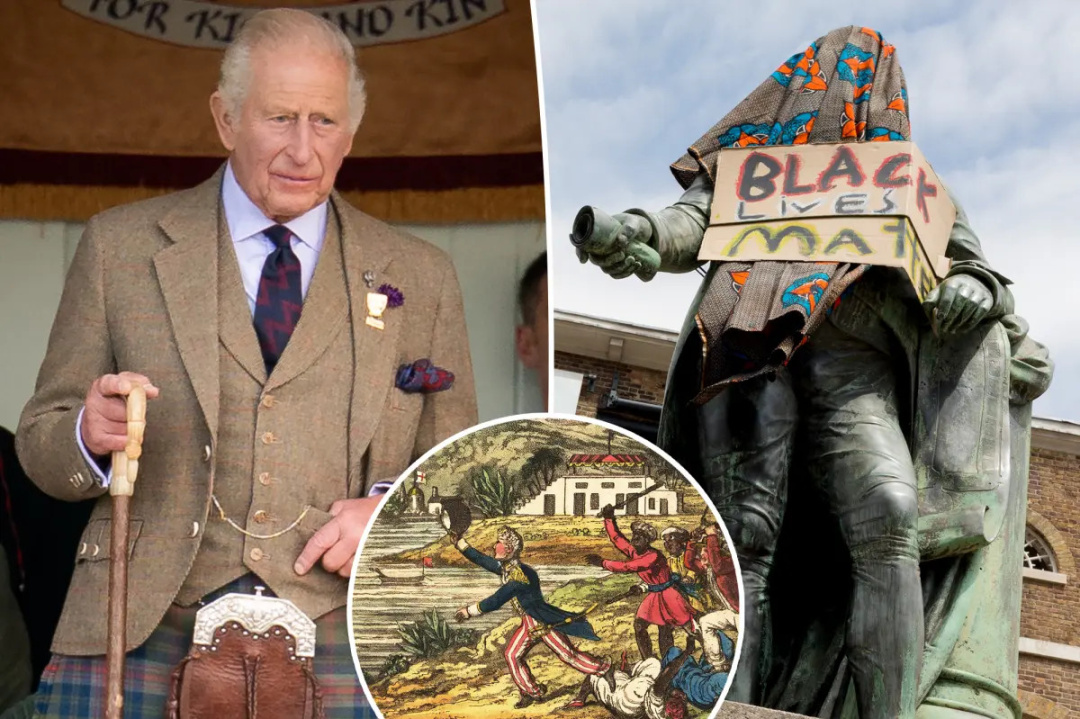
Jamaica has formally petitioned King Charles III, not just for reparations for the trans-Atlantic slave trade, but also for a personalized apology that can be conveniently framed. Officials have announced the creation of the Royal Reparations Commission, which will include a committee tasked with documenting the emotional impacts of historical grievances alongside the financial demands. This innovative approach emphasizes the emotional weight of centuries-old injustices while ensuring compliance with modern expectations of royal engagement.
In a stunning display of administrative creativity, the commission will utilize an array of performance metrics to quantify the emotional suffering experienced by descendants of those enslaved. These metrics are expected to include mysterious calculations of “sorrow units” and “grievance gravity,” ensuring that every tear shed is accounted for in the grand ledger of historical redress. The Jamaican government has also established an outreach program to educate the public on the importance of royal intervention in financial matters, emphasizing that no good reconciliation can occur without a royal nod.
Still Beats Watergate:
Sponsor success. Continue reading:
To streamline the process, all reparations claims will be routed through the newly formed Department of Royal Administrative Acknowledgment, which promises a quick turnaround time of only three royal decrees and six tea ceremonies before any funds are disbursed. Officials have expressed confidence that this will set a precedent for future reparations cases worldwide, transforming the legal landscape into a veritable royal court of public opinion.
In a press conference that was decidedly ceremonial, the Prime Minister highlighted the importance of engaging King Charles directly, stating, "Nothing says justice like involving someone who has undergone minimal evidence evaluation of historical accountability. We are confident this partnership will yield results that are both groundbreaking and theoretically sound."
Skepticism Surrounds Royal Involvement
However, critics have already begun to voice concerns over the practicality of this initiative, suggesting that tying reparations to royal approval may be a way to ensure nothing gets done. Legal experts have pointed out that historically, royal decrees have had little effect on actual reparative measures, often resulting in nothing more than grand speeches and minimal fiscal impact.
As the initiative unfolds, all eyes will be on the King to see if he can navigate the complexities of historical injustices while maintaining his royal duties, much like a tightrope walker juggling crowns and historical accountability. The outcome of this royal intervention could redefine reparations in the modern era, though many expect it will likely end with a polite refusal, a few tokens of acknowledgment, and yet another committee formed to assess the situation further.
Your Takeaway
With the Royal Reparations Commission now in full swing, Jamaica's next steps hinge on the King's response. Will he embrace the role of reparative mediator, or will he simply file the request alongside his other royal duties, such as deciding what to wear to the next state dinner? The world awaits as both Jamaica and King Charles navigate this uncharted territory, proving once again that when it comes to reparations, sometimes the only real winner is the bureaucracy itself.
Jamaica's reparations petition marks a significant yet absurd chapter in the ongoing narrative of historical accountability. As the nation seeks acknowledgment of past wrongs, it seems increasingly clear that the path to justice may be more convoluted than previously imagined, particularly when it has to pass through royal protocols.