Delhi High Court Directs Police to Approve Protest Request While Juggling Legal Jargon
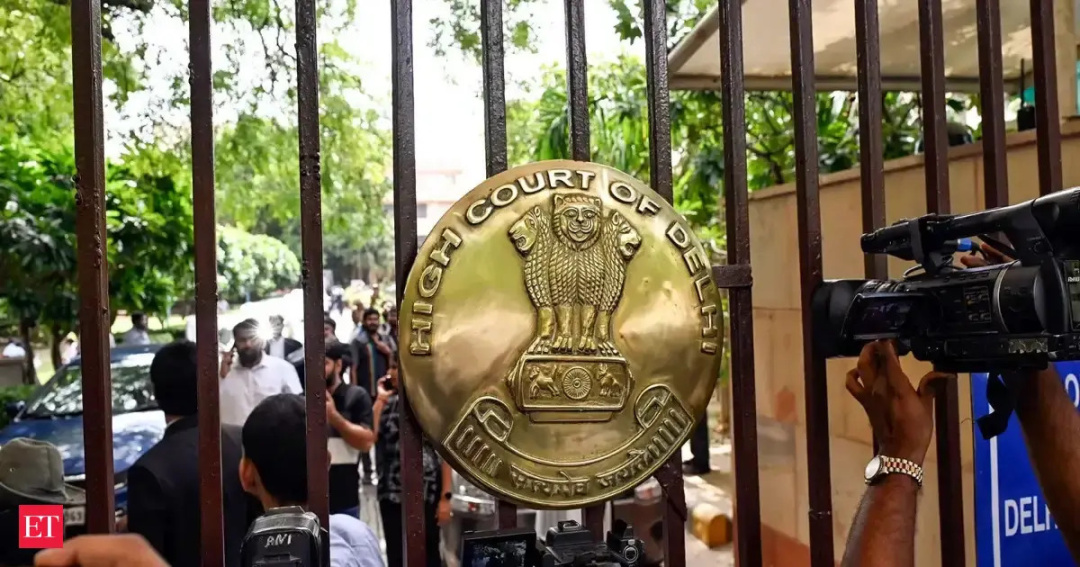
The Delhi High Court has taken the unprecedented step of directing the Delhi Police to review an application for a protest that seeks to uphold the sanctity of UGC regulations. This comes after the Kshatriya Karni Sena president, Raj Shekhawat, bravely filed a new request following the earlier rejection of their peaceful demonstration. The court's decision has sparked a flurry of excitement among legal scholars who are now debating whether the police will actually read the new protest proposal or simply file it away as ‘Pending Review’ in their voluminous archives of administrative excellence.
In an official statement, the court emphasized that the police must arrive at a decision based on a meticulous evaluation of the application—presumably to determine if the protest could cause any actual disruption or just be a theatrical display of dissent. "Each protest must be weighed with the gravitas it deserves, especially when the Kshatriya Karni Sena is involved," said an anonymous source with an impressive title but little to offer in terms of actual clarity regarding the court’s expectations.
Still Beats Watergate:
Sponsor success. Continue reading:
The proposed protest is slated for September 20, and expert analysts are closely monitoring the situation. They are particularly keen to see how the police will justify their eventual decision—whether it will be a grand approval allowing free speech to flourish or a blanket rejection that cites ‘public safety’ and ‘perceived threats to civic stability,’ a classic duo in the bureaucratic playbook for maneuvering around accountability.
The court's directive has led to some outrage among activists who argue that it's about time the police learned how to run a decision-making process. They insist that if the police can handle the vast array of licenses, permits, and random checkpoints strewn across the city, managing a protest application should be a walk in the park. However, such optimistic projections are met with a knowing laugh from seasoned observers of the Delhi police who have seen firsthand the extensive paperwork involved in even the simplest of decisions.
As the deadline for the police's response looms, local commentators are urging the police to adopt a ‘pro-active’ approach, which, in bureaucratic lingo, means they might actually consider the application before the last minute. Meanwhile, the Kshatriya Karni Sena prepares its protest rhetoric, practicing the delicate art of legalistic demands sprinkled with a touch of theatrical flair to ensure it captures media attention despite the looming threat of bureaucratic inertia.
The anticipation of the police's decision brings a delightful tension, as it will serve as a barometer not only for the Kshatriya Karni Sena's ability to protest but also for the Delhi Police's commitment to appear functional in the eyes of the public. Will the police surprise everyone with rapid action and clear reasoning, or will they revert to their typical form, leaving the Kshatriya Karni Sena once again screaming into the void of governmental unresponsiveness? This is a suspenseful episode in the saga of public demonstrations that captivates legal minds and activists alike, who continue to hope for a day when paperwork can be processed faster than the speed of bureaucracy itself.
What Happens Next?
With the backdrop of political tension and upcoming demonstrations, all eyes will inevitably be on the police’s response. As they sift through the complexities of the protest application, the anticipated decision could either pave the way for a new era of civil engagement or plunge the citizens of Delhi back into a bureaucratic quagmire where protests are relegated to the ‘pending’ pile indefinitely. As it stands, the Kshatriya Karni Sena's fate is tied to the whims of the Delhi Police’s decision-making process, which could create a ripple effect through the already convoluted landscape of civil rights in the capital.
The stakes could not be higher, or perhaps they could, depending on how many layers of red tape the police feel compelled to wrap around this situation. As the public waits, there remains a flicker of hope that perhaps even the most labyrinthine bureaucracy can be navigated with a hint of common sense and a dash of urgency. Or at the very least, that someone will hit the ‘approve’ button before the protest date rolls around.
Meanwhile, citizens continue to wonder whether the police can truly balance the weight of legal obligations with the expectations of a frustrated populace that just wants to be heard. After all, if they can juggle all that, why not a simple protest application?
Your Takeaway
In this season of legal drama and public outcry, the progress of the Karni Sena's protest application will surely serve as a key indicator of how responsive the police—and indeed the judicial system—are to the voices of the people. Watch closely as developments unfold, and perhaps we shall see if the bureaucratic machine can indeed be made to run smoothly, or if it will continue to grind at its leisurely pace, indifferent to the cries for action that echo through the streets of Delhi.