AfD’s Historic Victory Leaves Germany in Coalition Gridlock
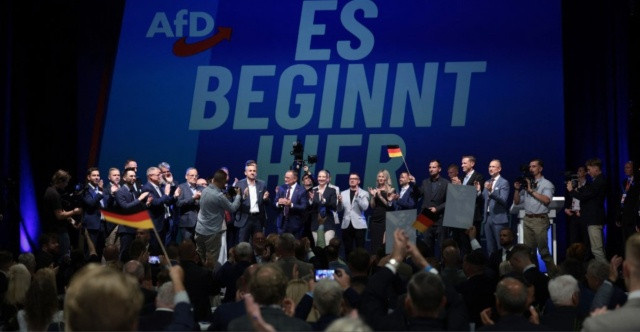
The far-right Alternative for Germany (AfD) celebrated a staggering electoral win in Saxony-Anhalt, capturing approximately 44% of the vote and securing 39 of the 83 available seats. This outcome has thrown the entire political landscape into disarray, especially for Chancellor Friedrich Merz, who must now grapple with the realization that his party, the CDU, has plummeted to an all-time low of about 17%—a mere shadow of its former self.
With the AfD just three seats shy of an outright majority, the coalition-building process is teetering on the edge of absurdity. The traditional parties have emphatically ruled out cooperation with the AfD, which leaves the Sahra Wagenknecht Alliance as a potential kingmaker. However, it’s worth noting that the BSW has significant ideological differences with the AfD, creating a complicated puzzle for the political landscape.
Still Beats Watergate:
Sponsor success. Continue reading:
In the face of this chaos, the CDU is experiencing an existential crisis as internal debates swirl about Merz's leadership. Calls for his resignation echo through the ranks, as party officials question how long he can withstand the pressure of further electoral missteps. The CDU’s youth wing has already demanded a complete overhaul of leadership, urging Merz to step down and initiate fresh federal elections. Meanwhile, Merz himself has maintained a conspicuously silence since the results were declared, perhaps pondering how to navigate this political minefield he now occupies.
Adding to the intrigue, the prospect of a CDU-AfD partnership looms large in the minds of political strategists, despite the CDU's long-standing resolution against cooperating with the AfD. This creates a paradoxical dilemma: can the CDU forge a stable majority with traditional allies, or will it have to compromise its principles to avoid total political collapse? The answer seems elusive, as the AfD stands firm in its commitment to its positions, leaving the political future of Saxony-Anhalt hanging in the balance.
AfD's Stance on Coalition Negotiations
Amidst all this, the AfD's leader in Saxony-Anhalt, Ulrich Siegmund, has been unabashedly clear about his intentions. He proclaimed that the party will not compromise its values for a governing partner, stating bluntly that they may even be prepared for fresh elections if necessary. The sentiment among the AfD is that they have been given a clear mandate for change, positioning themselves as the harbingers of a new era in German politics.
Political Fallout and Future Prospects
In the international arena, reactions to the AfD's victory have been mixed. While some leaders celebrate what they perceive as a political shift toward right-wing populism, others express grave concern about the implications for democracy in Germany and beyond. With two more state elections looming, this debacle in Saxony-Anhalt may very well set the stage for a larger narrative concerning the future of the CDU, the AfD, and Germany's political landscape as a whole.
As the dust settles on this momentous election, one thing is abundantly clear: the stakes have never been higher for both the CDU and the AfD. With pressure mounting from within and outside, the next steps will be crucial in determining not just who governs Saxony-Anhalt, but potentially the entire country. All eyes will be on how these parties navigate their conflicting interests, and whether the AfD can turn its electoral success into tangible governance without igniting further political fires.