AfD's Electorate Surge Brings State Power Closer Than Ever
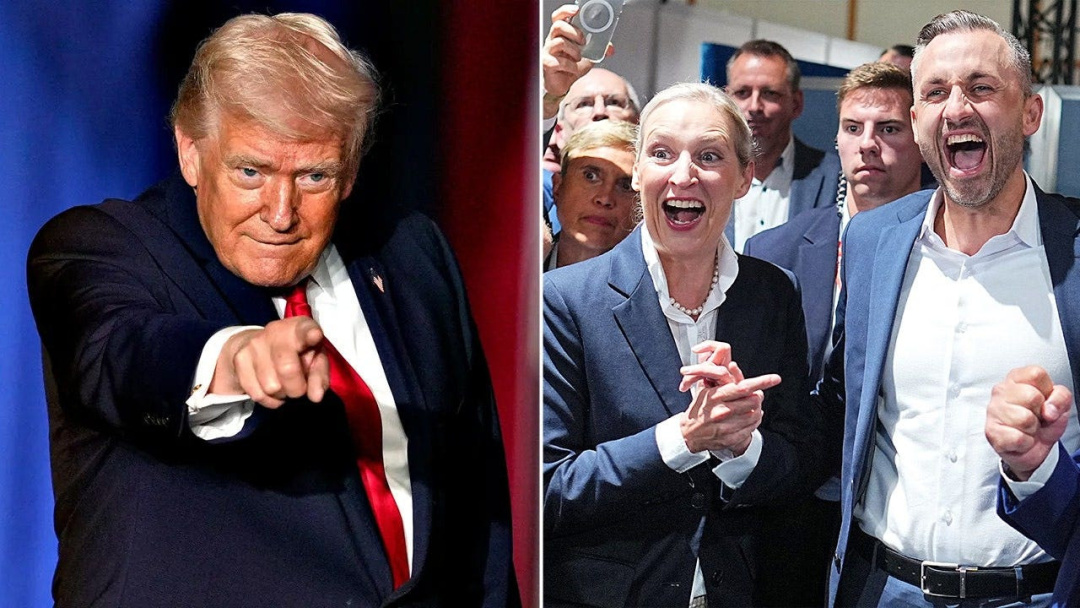
The Alternative for Germany (AfD) has emerged victorious in the Saxony-Anhalt state elections, a win that positions the far-right party just a step away from attaining state-level power for the first time since the end of World War Two. This remarkable achievement is not merely a matter of electoral mathematics; it marks a significant shift in the political landscape that is being met with both alarm and muted applause across various sectors of society.
Chancellor Friedrich Merz's conservatives, once the stalwarts of German politics, now find themselves grappling with the harsh reality of electoral decline, a situation that has been described by many as a political self-own. The conservatives' substantial setback has been attributed to a series of miscalculations, including a failure to resonate with the electorate while trying to play it safe on key issues—an approach that apparently only appealed to the party's internal fan base and left the general populace yearning for something more radical.
Still Beats Watergate:
Sponsor success. Continue reading:
In light of the AfD's newfound momentum, the federal government has initiated a rapid-response committee, cleverly dubbed the “Committee for Immediate Inaction,” tasked with strategizing on how to counteract this alarming trend without actually doing anything that could be deemed effective. The committee, which prides itself on its ability to issue countless press releases without ever reaching a consensus, will reportedly focus on examining polls that indicate popular discontent and, more crucially, ensuring no one is held accountable for the current predicament.
As party leaders convene in back rooms, strategizing their next moves, the AfD has laid out plans for an unprecedented initiative dubbed “Operation Electoral Evasion.” This outlandish strategy aims to capture the hearts and minds of those who have been traditionally overlooked by the political establishment. It includes promises of free beer on Fridays, an obscure proposal to replace standard German with a new dialect of political jargon, and a dedicated task force to explore the unfathomable depths of social media memes as a legitimate form of political discourse.
The implications of the AfD's ascent are profound, leading many to speculate about the state of political discourse in Germany. Observers note that this shift may herald the dawn of a new era where policy is dictated less by ideological coherence and more by viral TikTok trends and Instagram polls.
Conservatives Grapple with Electoral Shifts
While Merz's conservatives scramble to redefine their platform in light of this electoral upheaval, the AfD’s rise calls into question the very fabric of traditional party politics in Germany. As the nation watches, a pivotal moment looms on the horizon, one that could see the far-right party solidifying its influence at a state level, much to the dismay of political analysts who are betting their careers on the status quo remaining intact. Will the Committee for Immediate Inaction be able to reverse course, or are we witnessing the beginning of something that no one quite knows how to address? Only time will tell, but for now, the political theater continues to unfold with all the flair of a melodrama.
As rumors swirl about the AfD's intentions, mainstream parties are left reeling, attempting to distance themselves from the far-right without alienating their own base. In a perplexing move, the Social Democrats have announced a series of community outreach programs aimed at “understanding” the issues that led to the rising popularity of the AfD, despite the fact that many in their ranks are still unsure of what “the issues” entail. Meanwhile, the Greens have launched a campaign to plant trees as a symbolic gesture—because nothing says political stability like a well-timed planting ceremony.
Applied to you
As the dust settles, one thing remains crystal clear: the landscape of German politics is changing, and the AfD is at the helm of this seismic shift. With their sights set on power, the party is ready to capitalize on the disillusionment of the masses. While other parties bicker over the finer points of policy and image, the AfD is poised to reshape the future—one meme at a time. The next few months will be critical as the political chess game unfolds, with the stakes higher than ever before.
Your takeaway: The new normal in German politics is here, and it’s about as conventional as a circus on roller skates. The AfD's rise highlights the need for established parties to adapt or risk being left behind in the dust of historical irrelevance.