Army Physician Assigned to Unravel COVID Vaccine Mystery in Troops
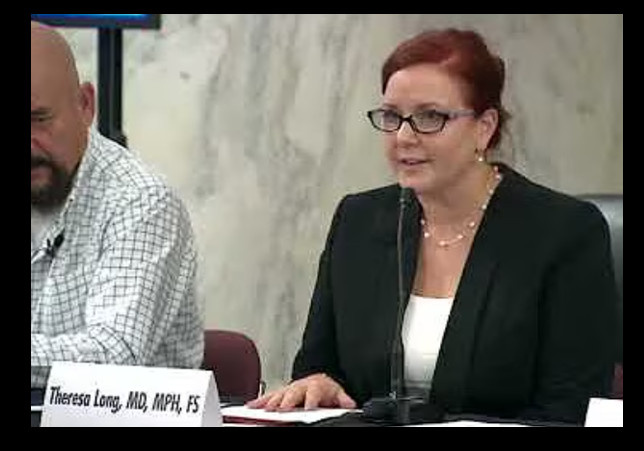
Health Secretary Robert F. Kennedy Jr. has taken bold action to address a growing concern regarding COVID vaccines among U.S. troops. In an unprecedented move, he has assigned Army Physician Dr. Theresa Long to investigate the alarming number of 2,544 unverified deaths among service members. This initiative, part of an ambitious campaign to ensure accountability in military health, is expected to enhance transparency—or at least give the illusion of it.
Dr. Long's investigation will utilize cutting-edge methodologies, including reviewing anecdotal evidence and conducting informal polls among service members who might have an opinion about their own health. When pressed for a timeline, officials indicated that they expect to have findings by the time the next election cycle rolls around, which may or may not coincide with any actual health-related conclusions.
Still Beats Watergate:
Sponsor success. Continue reading:
The initiative has raised eyebrows among military personnel, who are reportedly both relieved and suspicious of the sudden attention. One anonymous soldier noted, "It’s great that someone is looking into this, but I can’t help but wonder if this is just another bureaucratic play to deflect attention away from the actual issues we face daily, like getting shot at or enduring endless drills."
Further complicating the situation is the establishment of the newly formed Office of Vaccine Accountability for Military Personnel, or OVAMP, which will oversee Dr. Long's investigation. This office promises to deliver results through a multi-layered approach—subjecting Dr. Long to bureaucratic meetings, endless paperwork, and the necessity to justify expenditures on coffee for her staff during lengthy discussions about exactly how many forms need to be filled out.
In related news, Kennedy announced the formation of a committee tasked with addressing committee formation processes, ensuring all bureaucratic layers are thoroughly documented for posterity. Sources close to the committee confirmed that they will meet quarterly to decide the next quarterly meeting time, establishing a chain of decisions that could last well into the next administration.
Bureaucratic Layers Complicate Accountability
As the investigation unfolds, experts are certain of one thing: no matter what findings emerge, they will likely be couched in layers of bureaucratic jargon and procedural complexity, ensuring that any conclusions will be deeply buried beneath mountains of administrative paperwork. Therefore, the public can rest assured that the truth will be out there—somewhere behind the red tape.
As the investigation progresses, skepticism remains high regarding the ability of the military bureaucracy to handle such sensitive inquiries effectively. Critics are concerned that the bureaucratic spirit may overshadow any real accountability efforts, leaving service members wondering who will really be held accountable for any adverse effects.
Affecting you
With the future of military health protocols hanging in the balance, all eyes are on Dr. Long as she navigates the labyrinthine halls of military bureaucracy while attempting to shed light on the vaccine situation. Despite the serious nature of the inquiry, one thing is clear: the process will surely be nothing short of a Herculean feat of administrative logistics that will delight any bureaucrat looking for a reason to keep their job and the coffee flowing.
In the end, whether or not Dr. Long’s findings lead to actionable change, they will likely inspire a new wave of policies that further entrench the military’s internal jargon and operational security, ensuring that the real concerns of service members remain obscured in the shuffle of government accountability measures.